





News
Modern Warfare 4 Director Addresses Skill-Based Matchmaking Concerns
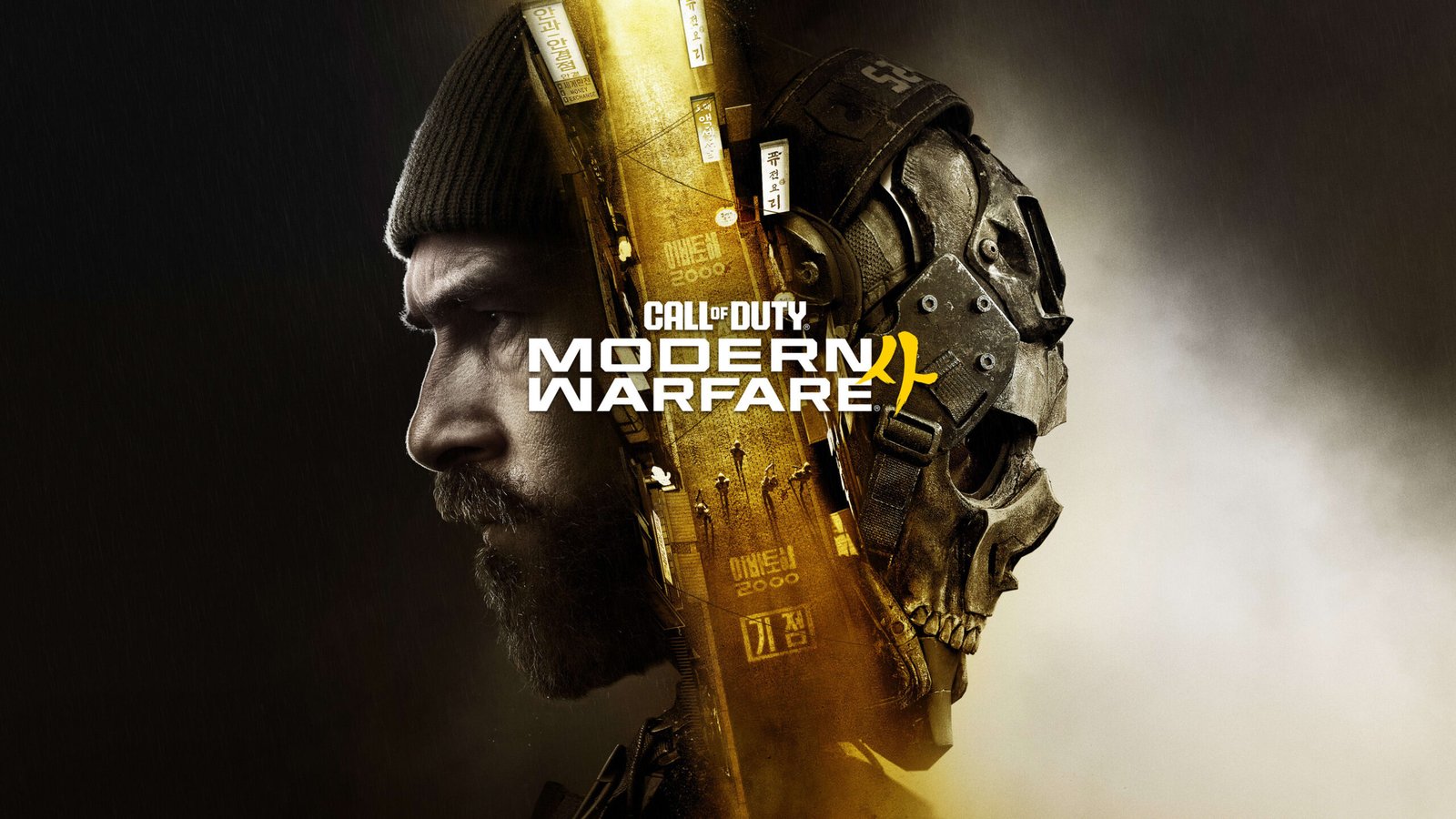
With Call of Duty: Modern Warfare 4 now in the hands of players, the game’s approach to multiplayer matchmaking has become a focal point of community discussion.
In this article
With Call of Duty: Modern Warfare 4 now in the hands of players, the game’s approach to multiplayer matchmaking has become a focal point of community discussion. As reported by Kotaku, the title appears to rely exclusively on skill-based matchmaking (SBMM), a design choice that has sparked debate regarding its impact on the player experience.
The Developer Perspective
Addressing these concerns, Joe Cecot, multiplayer creative director, expressed skepticism regarding the existence of a perfect matchmaking solution. Speaking to IGN, Cecot stated, “I don’t know if there’s perfecting it.” He noted that while the team can analyze data to understand how the system affects various player segments—including identifying negative impacts—the overarching goal remains ensuring that “every match is a good match.”
While skill-based matchmaking has existed in the franchise since the original 2007 Modern Warfare, the current iteration of the series is notable for apparently favoring this data-driven pairing model over more traditional, open matchmaking options that were available during the game’s beta testing phase.
The Mechanics of Matchmaking
As highlighted in the Kotaku report, the friction surrounding SBMM often stems from two primary areas. For competitive-minded players, the system limits the ability to consistently dominate matches against a wider range of opponents, as the algorithm works to keep skill levels balanced. On a technical level, the complexity of these algorithms can occasionally result in longer search times or prioritize skill parity over optimal network latency and geographical proximity.
Why it matters
For the player base, the exclusive reliance on SBMM represents a departure from more flexible matchmaking systems that historically prioritized speed and connection quality. Players who prefer a casual experience or are concerned about performance metrics like kill-to-death ratios may find that the game’s current state makes every session feel significantly more intense.
Looking ahead, players should monitor how the developer utilizes telemetry data to adjust these algorithms. Because Cecot explicitly noted that the team monitors how these systems negatively impact groups of players, it is possible that tuning updates could be deployed to address latency concerns or matchmaking speed as the live-service cycle progresses.