News
Zelda: Ocarina of Time Remake Devs Confirm Puppet Show Inspiration
The debate over the striking new art style in the upcoming The Legend of Zelda: Ocarina of Time remake can finally be put to rest.
In this article
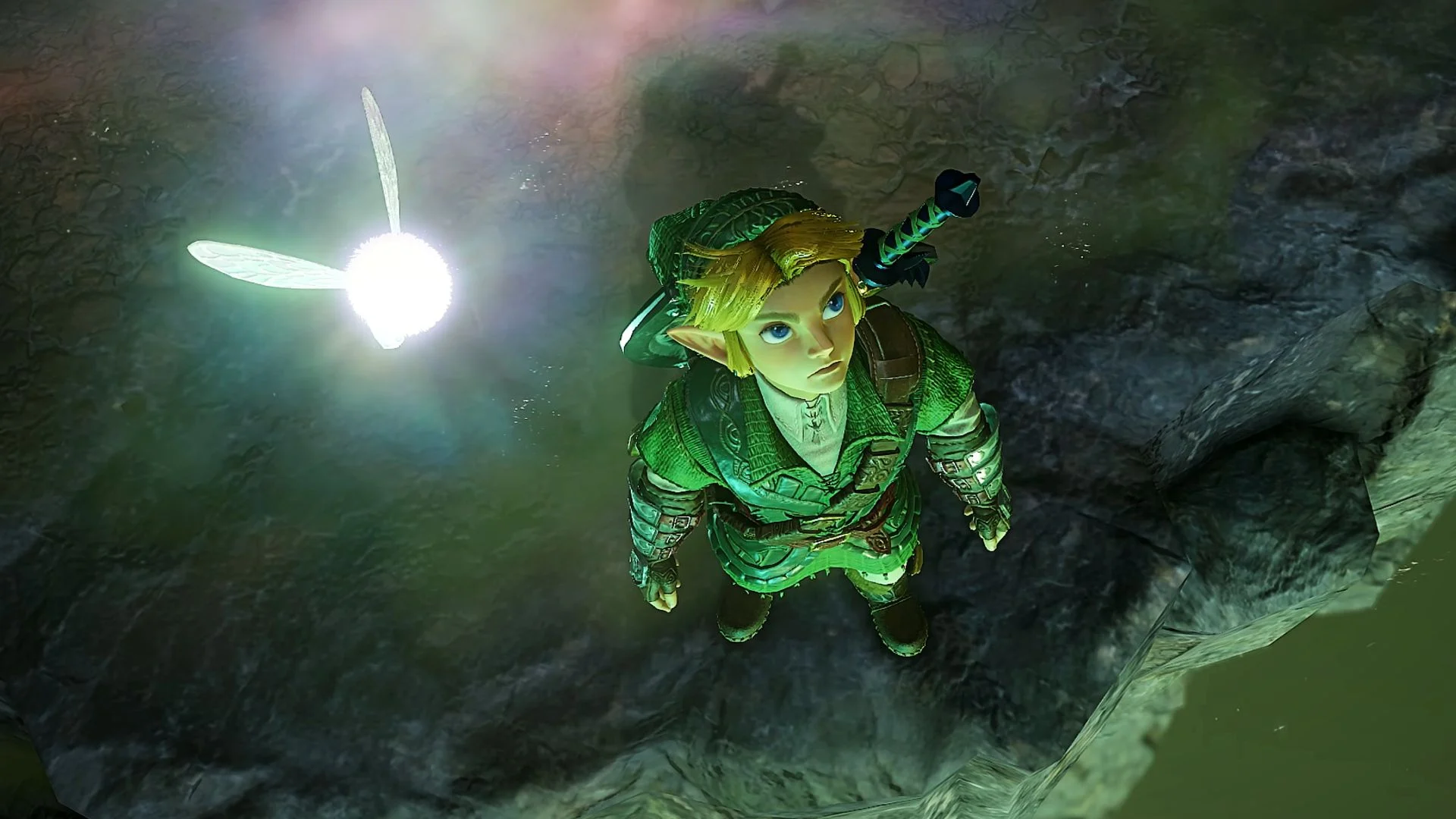
The debate over the striking new art style in the upcoming The Legend of Zelda: Ocarina of Time remake can finally be put to rest. Following speculation from industry veterans, the development team has officially confirmed that the game’s unique look was explicitly inspired by the aesthetic of puppet shows.
The inspiration behind the art
As reported by GamesRadar+, art director Aya Shida revealed in a recent installment of Nintendo’s ‘Ask the Developer’ series that the team used “a puppet-show feel” and the “analog feel of practical effects films” as core creative keywords during development. The goal was to build a rich, dense version of Hyrule that still felt tethered to the original game’s personality.
This confirms the theory previously floated by Takaya Imamura, the former art director for Majora’s Mask, who suggested the style was a nod to the puppet-show influences often favored by Shigeru Miyamoto. Shida noted that both puppets and practical film effects share a common trait: they do not reproduce reality exactly, which the team felt captured the specific nostalgia of the 1998 classic.
A unified vision
Series producer Eiji Aonuma, who worked on the original 1998 title, shared his approval of the bold direction. He noted that the current development team—some of whom are new to the series—channeled their own sense of nostalgia into the project. “As one of the original developers, that progression made sense to me,” Aonuma stated, signaling that the team’s pursuit of an “analog” feel successfully bridges the gap between old and new.
Why it matters
For players, this confirmation provides crucial context for why the game looks so distinct from recent Zelda entries like Breath of the Wild or Tears of the Kingdom. The team is intentionally moving away from pure realism to emphasize a tactile, “quirky” atmosphere that honors the spirit of the original N64 experience rather than simply updating the polygon count.
This stylistic shift has been polarizing since it debuted during the 40th anniversary Nintendo Direct. With the developers now confirming this was a deliberate artistic choice meant to evoke specific feelings of nostalgia, players should adjust their expectations: the final release is aiming for a curated, atmospheric experience rather than a tech-heavy graphical overhaul. Keep an eye on how these textures and character models interact as Nintendo reveals more, as this “puppet-like” aesthetic will define the visual identity of the entire remake.