News
From obscurity to chart-topper: The secret history of Probably Stolen
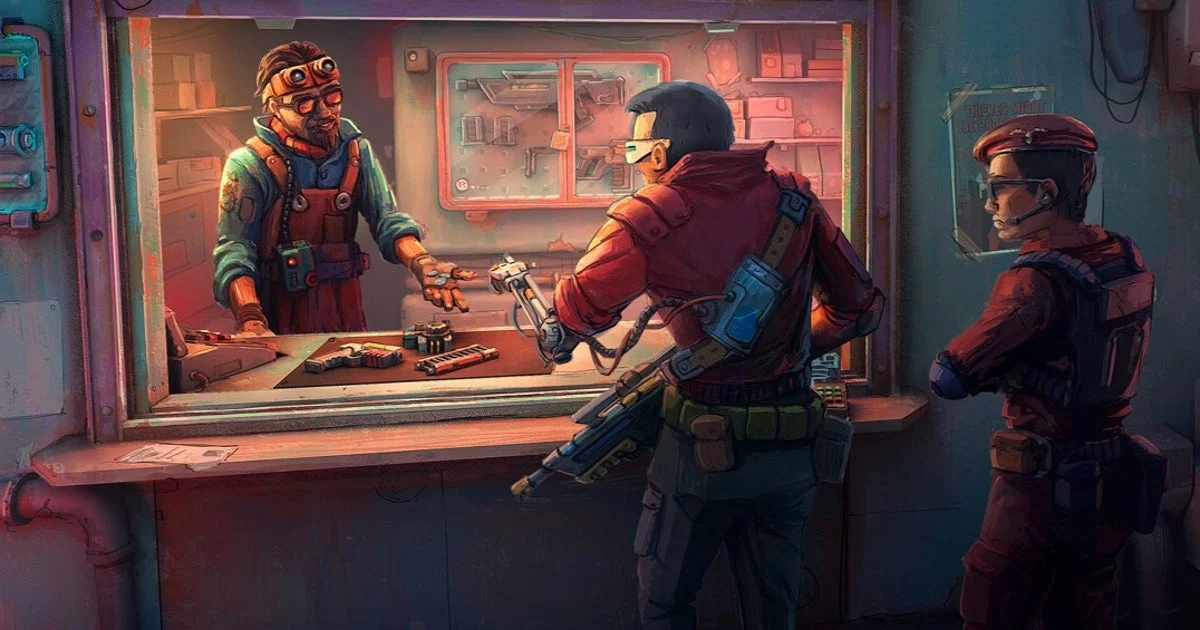
The space station trading sim *Probably Stolen - Cyberpunk Shopkeeper Sim* has seen a massive surge in popularity, recently hitting a peak of over 162,000 concurrent players on Steam.
In this article
The space station trading sim *Probably Stolen – Cyberpunk Shopkeeper Sim* has seen a massive surge in popularity, recently hitting a peak of over 162,000 concurrent players on Steam. While the game is now finding major success with its blend of black market economics and factional rivalries, its origins were far more humble—and almost entirely different.
According to a report from Rock Paper Shotgun, the game began life as a project called *Deepspace Emporium*. Unlike the current cyberpunk iteration, *Deepspace Emporium* was a standard kiosk job simulator that seemed destined to fade into obscurity. In fact, publisher tinyBuild CEO Alex Nichiporchik noted on Twitter that a demo for that original version once peaked at just 28 concurrent players.
A complete overhaul
Recognizing the potential in the core gameplay mechanics, publisher tinyBuild partnered with developers Questing Goose to pivot the project. The team overhauled the art direction, injected a distinct cyberpunk aesthetic, and focused on refining the design. The result is a game that retains the core loop of *Deepspace Emporium*—haggling, managing fluctuating market prices, and navigating relationships with station security and underworld factions—but wraps it in a significantly more popular neon-soaked shell.
As *Rock Paper Shotgun* notes, the gameplay experience involves managing a retail store where you can sell everything from robotic hands and scavenged shotguns to rat corpses. It balances the tension of *Papers, Please*-style inspections with the thrill of moving contraband goods, all while trying to keep the lights on in a cutthroat station environment.
Why it matters
For players, *Probably Stolen* serves as a fascinating example of how a shift in art direction and thematic focus can completely change a game’s trajectory. If you were looking for a high-stakes management sim that lets you play the role of a gritty, shady merchant, this sudden community support suggests the design, while simple, is hitting that “just one more shift” hook hard for a massive audience.
Because the game is built on a solid foundation of item management and faction intrigue, it offers a deep, satisfying loop for those who enjoy economic simulators. Keep an eye on how the developers continue to support the title following this massive player influx; with 162,000 concurrent users, the demand for more content, deeper systems, or further balancing of these market economics is likely to be high.