News
Dungeons & Dragons World of Warcraft sourcebook aims to avoid MMO-style gameplay
Dungeons & Dragons is headed to Azeroth, but its lead designer is making sure the experience remains a tabletop game rather than a session of World of Warcraft.
In this article
Dungeons & Dragons is headed to Azeroth, but its lead designer is making sure the experience remains a tabletop game rather than a session of World of Warcraft. In a recent interview with Polygon, lead designer James Wyatt explained that while the new expansion allows players to explore Azeroth, the goal is to emphasize world-building over mimicking MMO mechanics.
Learning from 4th Edition
Wyatt acknowledged the historical “anxiety” players have regarding D&D feeling too much like a video game, specifically citing the controversial 4th Edition release. That version of the game, released in 2008, introduced power-based mechanics and rigid class roles that many fans felt mirrored the structure of WoW too closely. By contrast, Wyatt stated that his design process for this sourcebook actively avoided turning spells into “buttons” and keeping rests traditional to preserve the tabletop feel.
Instead of porting complex aggro-management or ability rotations, the team focused on flavoring existing D&D mechanics to fit the Warcraft aesthetic. For example, instead of creating new core systems, they adapted current feats and class features to accommodate Warcraft archetypes. A key example is the Death Knight, which repurposes Paladin class features by swapping radiant and healing themes for necrotic damage and darkness. Similarly, the Shaman is handled through a redesign of the Barbarian class, allowing players to manifest totems and elemental effects during combat.
Designing for TTRPG play
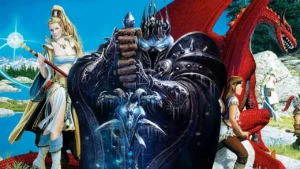
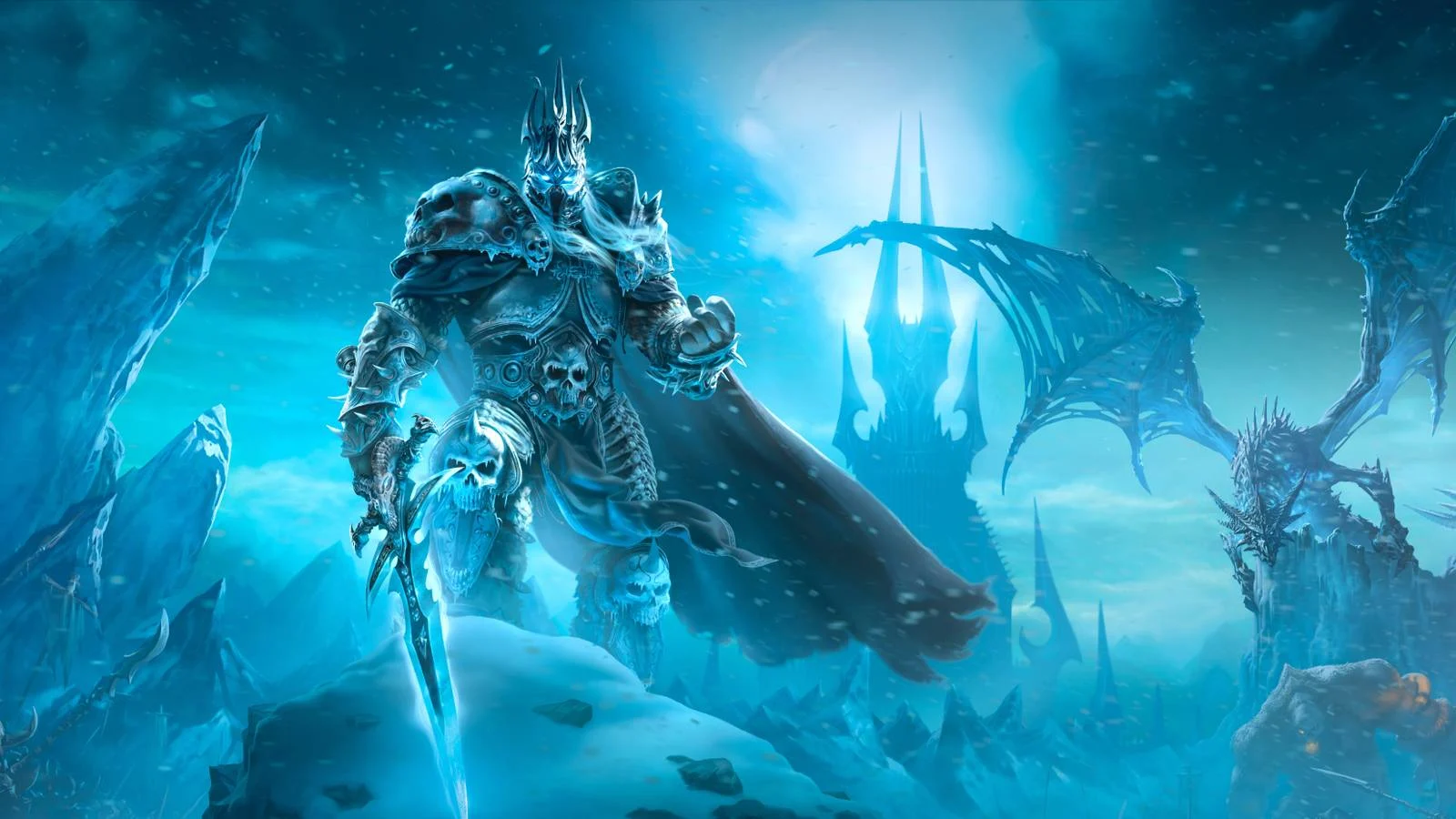
To ensure the game doesn’t become a “massively multiplayer” grind, the sourcebook includes guidelines reminding Dungeon Masters that D&D requires a different pacing than an MMO. Wyatt noted that players shouldn’t be expected to “run Icecrown Citadel over and over again” for loot. Instead, he encourages DMs to facilitate meaningful player choices, where actions have permanent consequences and monsters stay dead, rather than resetting like a dungeon instance.
Why it matters
For players looking to bring a slice of Azeroth to their tabletop sessions, this expansion offers new spells and class configurations designed to be balanced against the existing Player’s Handbook. This means these tools are not locked to the Warcraft setting; Wyatt suggests that spells like the Nightborne Elf’s “Arcane Pulse” are designed to work in any D&D campaign.
Ultimately, the change shifts the focus from the game’s grind-heavy roots to character-driven storytelling. If you’re a fan of WoW lore, this provides a structured way to play as iconic classes without sacrificing the freedom and narrative agency that make tabletop games unique.