



News
Warshift 2: Machines of Madness Launches on Xbox with Cross-Platform Play Anywhere Support
Warshift 2: Machines of Madness is now available on Xbox devices, bringing a hybrid action-strategy experience built entirely by solo developer Cyril Megem and published by Fortell Games. The game supports Xbox Play Anywhere, allowing players to share progress and…
In this article
Warshift 2: Machines of Madness is now available on Xbox devices, bringing a hybrid action-strategy experience built entirely by solo developer Cyril Megem and published by Fortell Games. The game supports Xbox Play Anywhere, allowing players to share progress and achievements across consoles, PC, and ROG Xbox Ally family devices, while targeting 4K60 FPS on Xbox Series X.
What the Game Offers
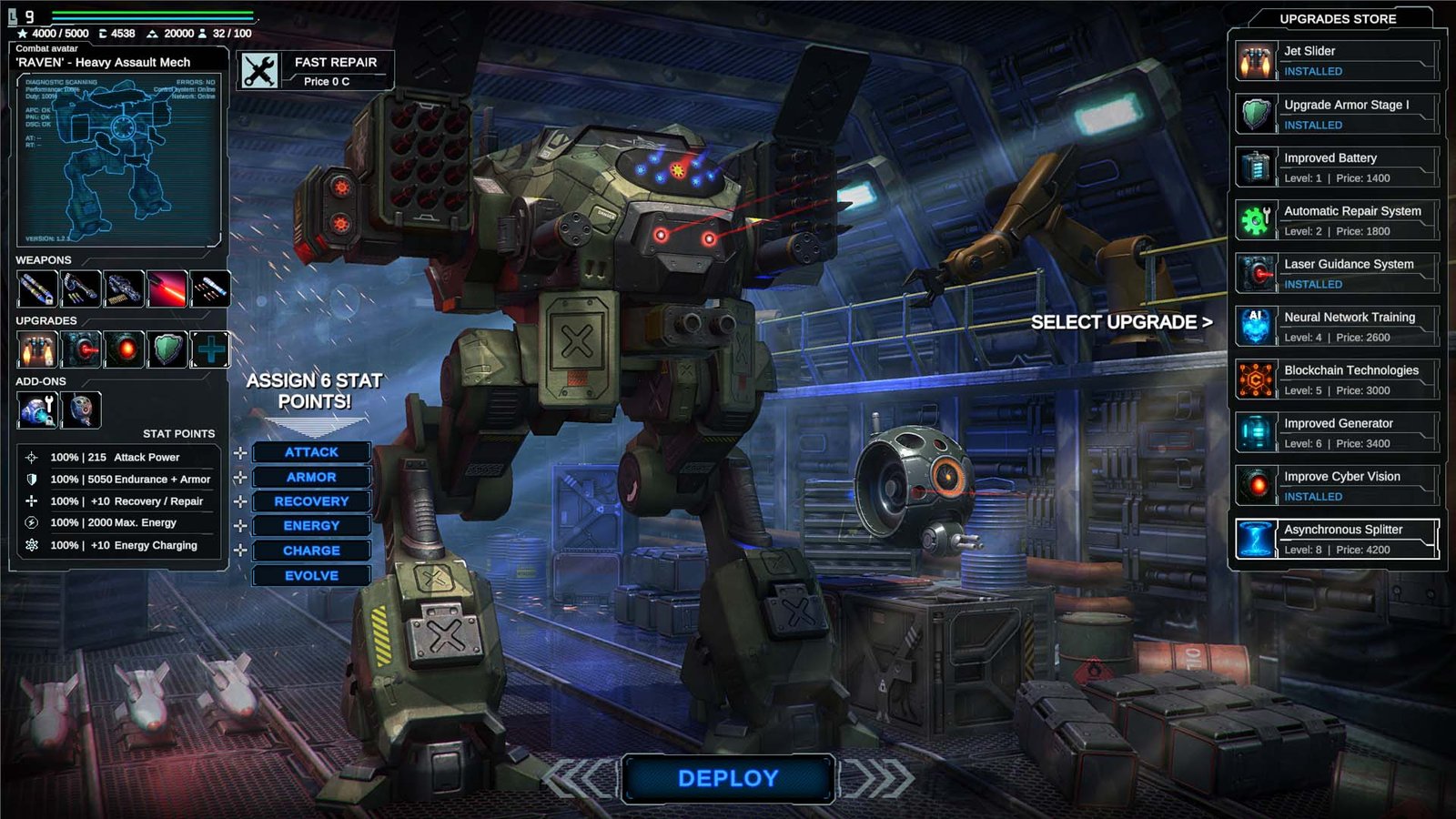
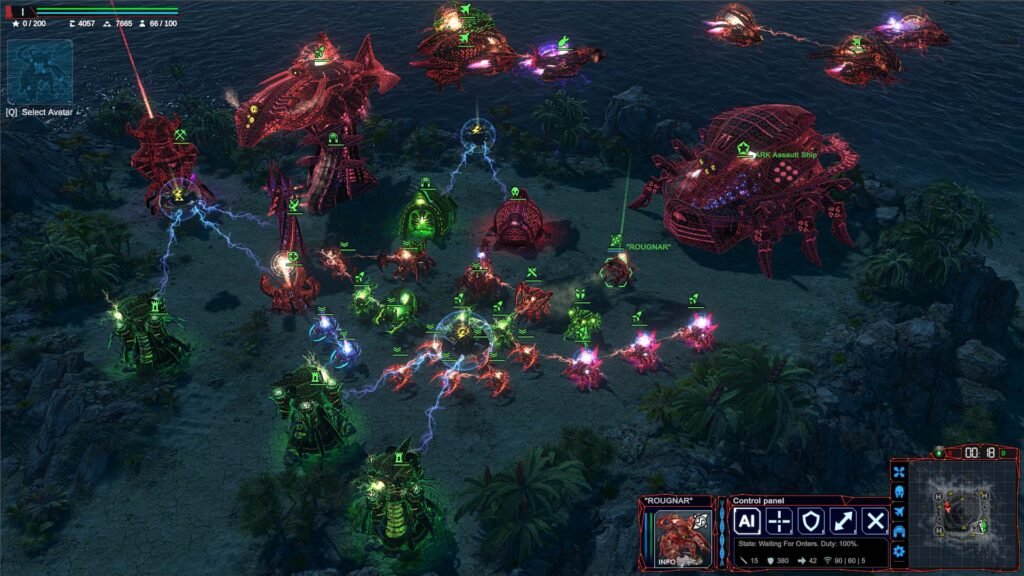
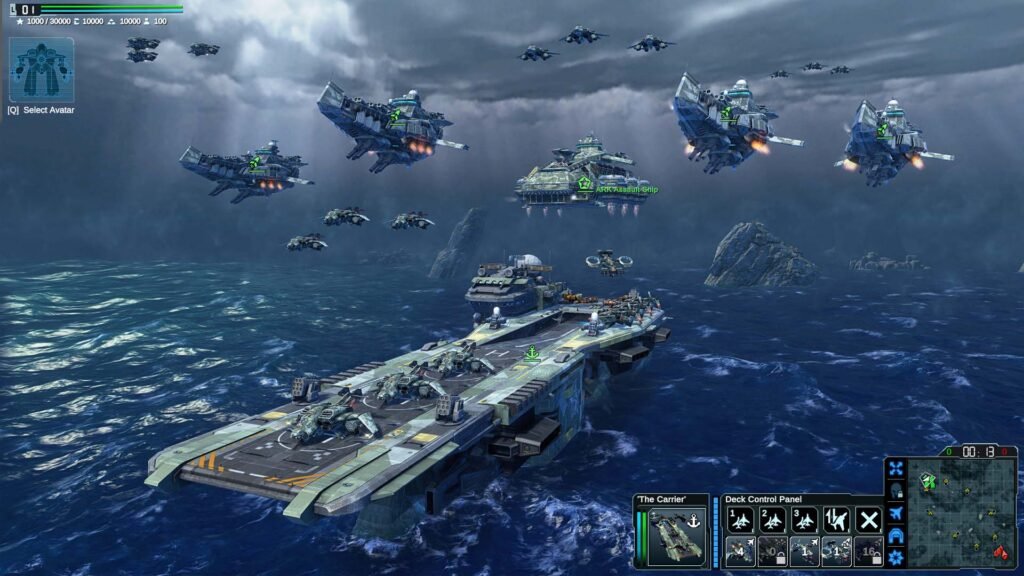
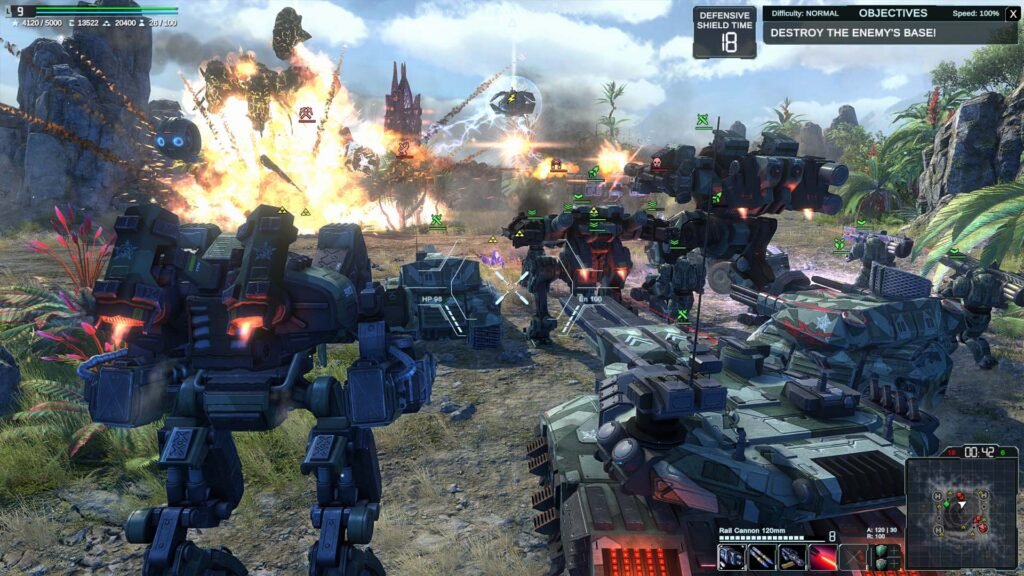
Warshift 2 blends RTS and third-person action gameplay, letting players switch between tactical Strategy mode and Action mode at any time during battles. The game features seven different game modes and hundreds of hours of content. Players can manage troops, mechs, battleships, and carriers from a strategic overhead view, then drop into the battlefield to fight directly alongside their forces in real-time combat.
According to Cyril Megem, the designer behind the project, the core concept centers on a commander who isn’t separated from the action. “You can plan a large-scale operation, organize your forces and then fight directly beside them when the situation becomes critical,” Megem explained. The game includes playable alien forces with their own unique strengths, weaknesses, and evolution mechanics that unlock different tactical approaches.
Strategic Mechanics Worth Mastering
The source material highlights several gameplay systems beyond the tutorials. Energy Nodes form a critical mechanic—capturing them and building networks allows players to construct resource extractors and expand territory, denying advantages to opponents. Players can issue unit orders while in third-person Action mode by pre-organizing groups in Strategy mode, maintaining tactical control while fighting personally.
The Ark (the player’s homebase) can relocate between four designated landing zones on the map. While landed, it produces any unit type and constructs buildings; while airborne, production shifts to aircraft only, but the Ark retains access to orbital strikes. Repositioning the Ark strategically can shorten supply routes and bring enemy targets within strike range.
Orbital strikes serve as area-of-effect weapons against concentrated enemy formations. Aircraft prove highly mobile for rapid redeployment and support, with hero flight mode enabling faster navigation across the map. Players can automate factories to continuously produce units and send them directly into battle, freeing attention for broader strategy or personal combat.
In Skirmish mode, players customize enemy AI behavior from defensive to extreme aggression, and can deploy Support Avatars—AI-controlled heroes that dramatically shift battle flow and can be unequal in number to balance difficulty.
Why This Matters
Warshift 2 represents an unusual entry in the strategy space: a solo-developer title that merges real-time strategy with action gameplay on a major console platform. The Play Anywhere feature removes friction for players who split time between Xbox consoles and PC, a growing expectation for modern releases. The game’s emphasis on switching between top-down command and first-person combat addresses a core tension in strategy games—the disconnect between planning and execution—by collapsing both into one seamless experience.
The Ukrainian-developed game’s arrival on Xbox expands the platform’s strategy library, which has historically leaned toward action and RPG titles.
What’s Next
With launch now live, attention will likely turn to how the community responds to the hybrid gameplay loop and the depth of the seven game modes. Updates or balance patches addressing the alien faction and orbital strike mechanics could shape how players approach the game’s evolving meta.