
News
New StarCraft Shooter Won’t Be Live Service—Blizzard Is Going ‘Boxed’ in 2030
Blizzard is pivoting away from its live-service comfort zone with the upcoming StarCraft open-world shooter, positioning it instead as a traditional boxed product with a complete narrative arc, projec...
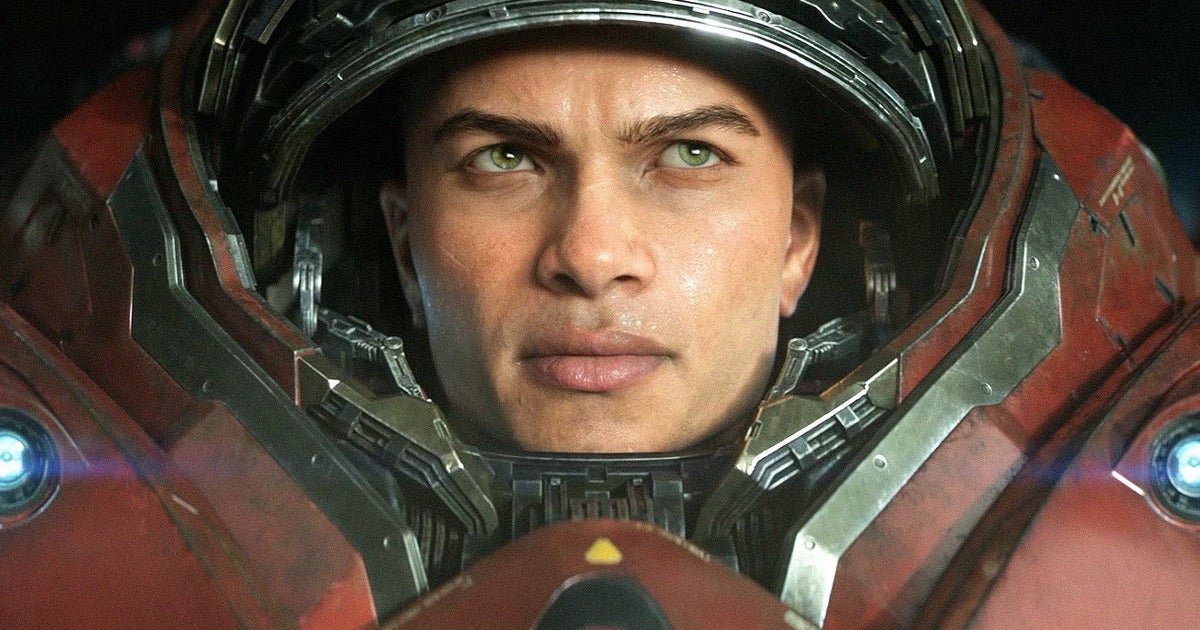
Blizzard is pivoting away from its live-service comfort zone with the upcoming StarCraft open-world shooter, positioning it instead as a traditional boxed product with a complete narrative arc, project lead Dan Hay confirmed at BlizzCon 2026.
The shift marks a notable departure for a studio that has built its modern identity on ongoing multiplayer games. Hay, who spent a decade leading Far Cry development at Ubisoft, described the game’s structure bluntly: “If I were to describe the overall structure we currently envision, it’s a ‘box product’,” he said during a Korean media roundtable. “It is a narrative-driven open-world shooter where players create a character, name them, and follow that character’s story. The story has a beginning, a middle, and an end.”
Story First, Seasons Nowhere
What matters for players waiting until 2030: there will be no seasonal content treadmill. Hay was explicit: “At the very least, what we are building right now is not a seasonal game.” Instead, the design blends focused story missions within a larger open world—a structure Hay compared to zones in Doom: The Dark Ages.
The game will feature what Hay called “serious missions” with heavyweight narrative moments, referencing Kerrigan’s abandonment from the original StarCraft as an example of the emotional intensity he’s targeting. But the open world itself acts as a pressure valve. “If a certain mission feels too difficult, you can return to the open world and engage in other activities at your own pace,” Hay explained. Players can scavenge for gear, upgrade armor, and tackle the story on their own schedule rather than being forced through punishing difficulty spikes.
The campaign takes place 70 years after StarCraft 2: Legacy of the Void, in a fractured political landscape where “countless political moves” occur between hostile factions. The Protoss faction exists in this timeline, though Hay hinted it remains largely hidden, possibly due to its cloaking technology.
The RTS Question Lingers
Hay stopped short of committing to future StarCraft projects. Asked whether this shooter signals Blizzard’s direction for the franchise, he acknowledged the “hugely important and powerful position” the RTS holds in StarCraft’s identity but declined to elaborate on upcoming plans. “I want to avoid a situation where I say something here and headlines come out reading ‘Blizzard Developing Another StarCraft Game Beyond This Title’,” he said.
The 2030 release date represents a significant development window, giving Blizzard time to test how audiences respond to StarCraft in first-person form rather than traditional real-time strategy. For a studio defined by live-service engagement, treating this game as a finite experience suggests either confidence in its narrative strength or a willingness to experiment outside proven models.