News
Why Wardogs’ Blue Team Fails to Win: A Statistical and Psychological Breakdown
In a recent investigation by IGN , the long-standing community perception of the Lonestar faction (Blue Team) in the military sandbox game *Wardogs* has been confirmed by official statistics.
In this article
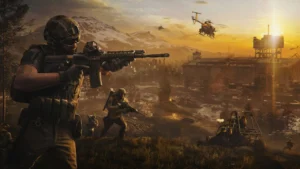
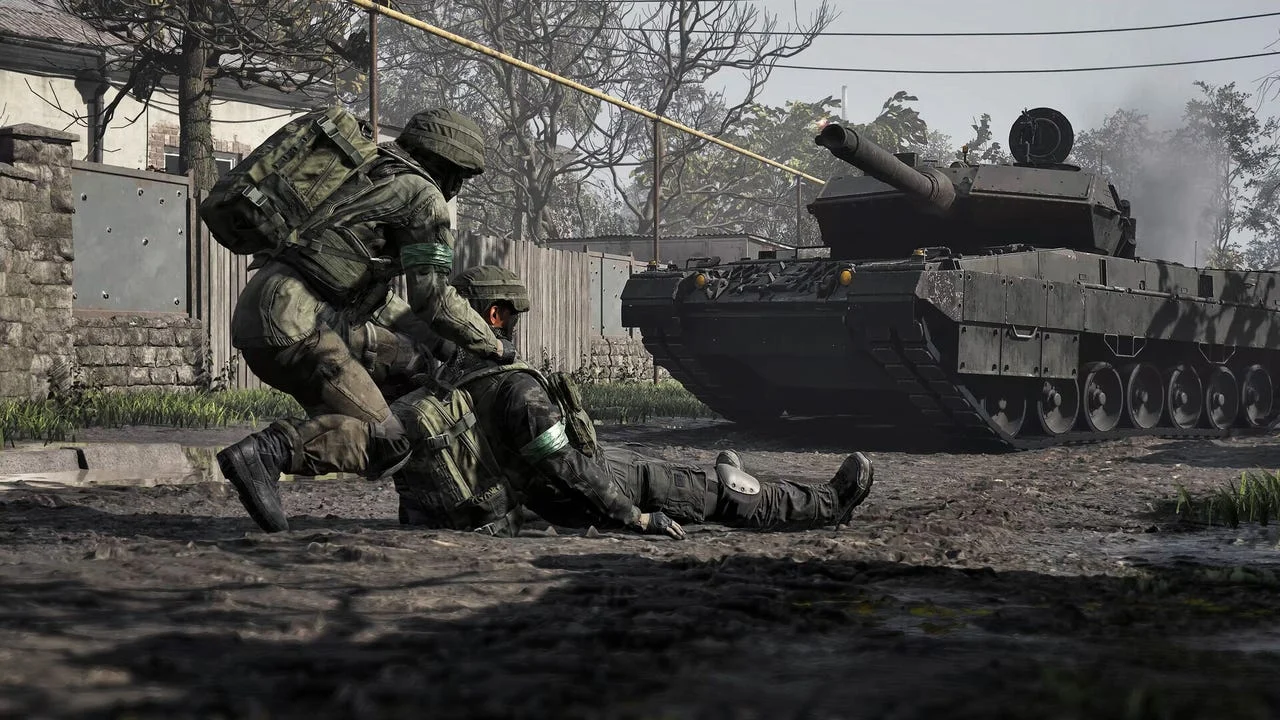
In a recent investigation by IGN, the long-standing community perception of the Lonestar faction (Blue Team) in the military sandbox game *Wardogs* has been confirmed by official statistics. While the game theoretically offers equal equipment and chances for all three factions—Valkyra (Red), Manticore (Green), and Lonestar (Blue)—the Blue Team currently sits at a win rate of approximately 15%.
The Stats and Developer Perspective
According to UI director Howard Philpott, the team’s struggles date back to the game’s alpha stage. While Blue was initially the most popular faction due to its “American PMC aesthetic,” an early map advantage led competitive players to flock to the Red and Green teams. Philpott noted that this perception of inferiority persisted even after the perceived balance issues were addressed, effectively becoming a self-fulfilling prophecy among the player base. Currently, Red Team holds a 36% win rate, while Green Team dominates with 49%.
Developers suggest that map positioning may also contribute to the disadvantage, as Blue Team spawns in the center, frequently forcing them to fight a war on two fronts. In response, the team is planning to adjust spawns on the Bakuriani map for Season 2 to address this potential tactical imbalance.
Psychological and Community Impact
Color psychology expert Karen Haller, who reviewed the game’s selection screen for IGN, suggests that the color blue itself is not the cause of the failure. Instead, she identifies a “self-fulfilling prophecy” driven by community behavior. Because the community has turned Lonestar’s struggles into a meme, skilled players actively avoid the team, leaving the faction disproportionately populated by newer or less experienced players. Haller noted that players often bypass the Blue Team selection entirely, despite it being the first option presented, due to this established stigma.
Why it matters
For players, the “Blue Team bad” narrative has fundamentally altered the competitive landscape of the game. Because high-skill players are avoiding the faction, joining Lonestar often means dealing with teammates who are perceived as less capable, which reinforces the cycle of losses. As the developers move to address spawn locations in Season 2, players should watch to see if these structural changes are enough to break the community’s “mind virus” and encourage a more even distribution of talent across the three factions.