News
Could a Smaller Budget Save Mass Effect? Former Lead Programmer Thinks So
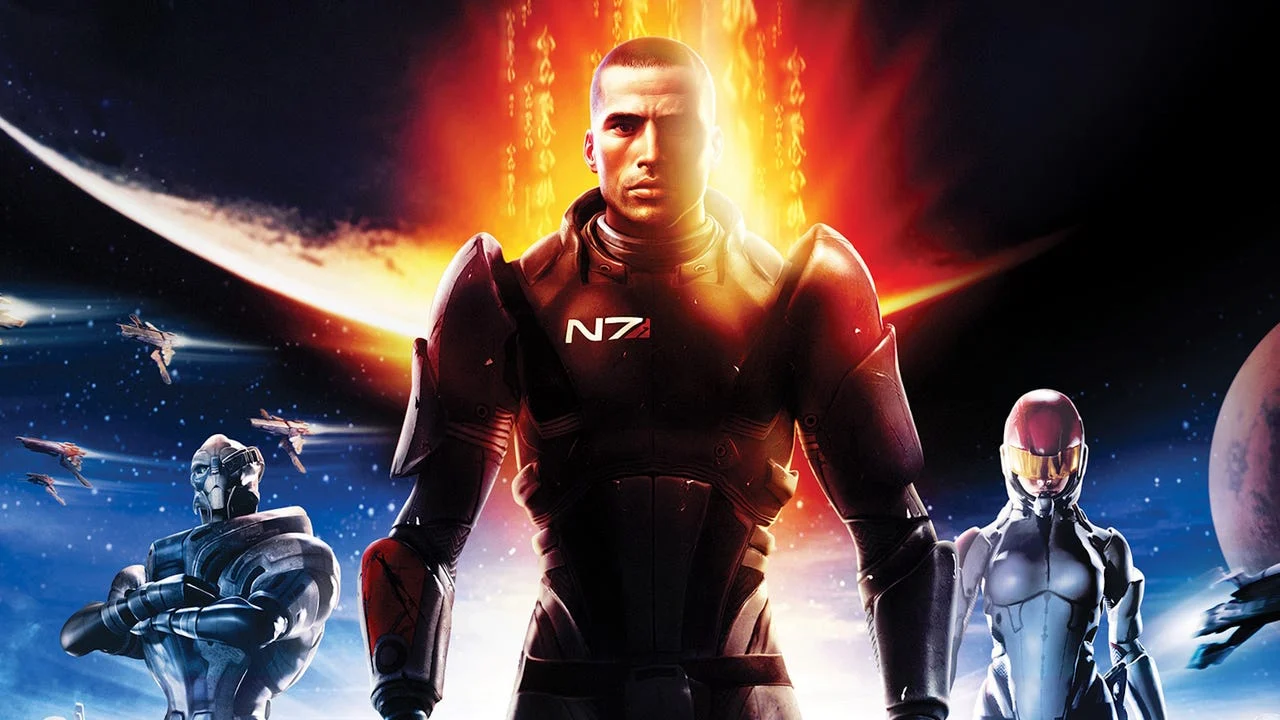
The conversation around the future of the Mass Effect franchise has shifted following the reported cancellation of the in-development Mass Effect Universe project.
In this article
The conversation around the future of the Mass Effect franchise has shifted following the reported cancellation of the in-development Mass Effect Universe project. While recent estimates suggested that a new entry in the space opera series would require a massive $200 million investment, a former BioWare veteran believes the series could be revived for a fraction of that cost by looking at recent indie-adjacent success stories.
As reported by IGN, Christina Norman, who served as lead programmer on the original trilogy and lead designer for Mass Effect 2 and 3, challenged the necessity of the $200 million price tag. Pointing to the French-made RPG Clair Obscur: Expedition 33, which was developed on a budget of less than $10 million, Norman argued on X (formerly Twitter) that a new Mass Effect title could realistically be produced for around $50 million.
“I mean 5x the budget of Claire Obscur: Expedition 33 should be more than enough,” Norman stated. “You can always spend more, but clever small teams can get it done.” This perspective follows comments from BioWare co-founder Trent Oster, who estimated the $200 million figure as a baseline for the cancelled project but acknowledged that a new game could be made “cheaper,” albeit likely without the specific scope originally planned for Mass Effect Universe.
The hurdle of IP ownership
Even if a smaller, more focused project is financially viable, the primary obstacle remains corporate ownership. Oster emphasized that EA still holds the rights to the Mass Effect franchise and has shown little inclination to let them go, even while the series sits dormant. For the community, which has recently rallied behind petitions to save the studio and the franchise—gathering over 325,000 signatures—the path forward depends on EA’s willingness to either revisit the project or relinquish control of the IP.
Why it matters
For fans of the series, the debate highlights a potential shift in how AAA franchises could survive in an industry increasingly focused on ballooning development costs. If industry veterans like Norman are correct, high-quality, narrative-driven experiences don’t necessarily require the record-breaking budgets that often lead publishers to abandon projects deemed ‘too risky.’
While this doesn’t guarantee a new game, it provides a counter-narrative to the idea that Mass Effect is ‘too expensive’ to produce. Players waiting for the franchise’s return should watch for whether EA pivots toward smaller, leaner development models for its legacy IPs, or if the property will remain locked behind the high-budget expectations of its corporate owners.