News
A Comparison of Combat and World Design in Phantom Blade Zero and Onimusha: Way of the Sword
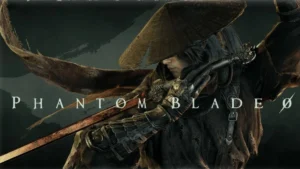
Comparing two distinct action-adventure titles, GamingBolt has analyzed the combat mechanics, world design, and overall player experience found in Phantom Blade Zero and Onimusha: Way of the Sword.
In this article
Comparing two distinct action-adventure titles, GamingBolt has analyzed the combat mechanics, world design, and overall player experience found in Phantom Blade Zero and Onimusha: Way of the Sword. According to the report, both titles emphasize a protagonist mastery of the blade, yet they deliver markedly different approaches to engagement and movement.
Combat Systems and Flow
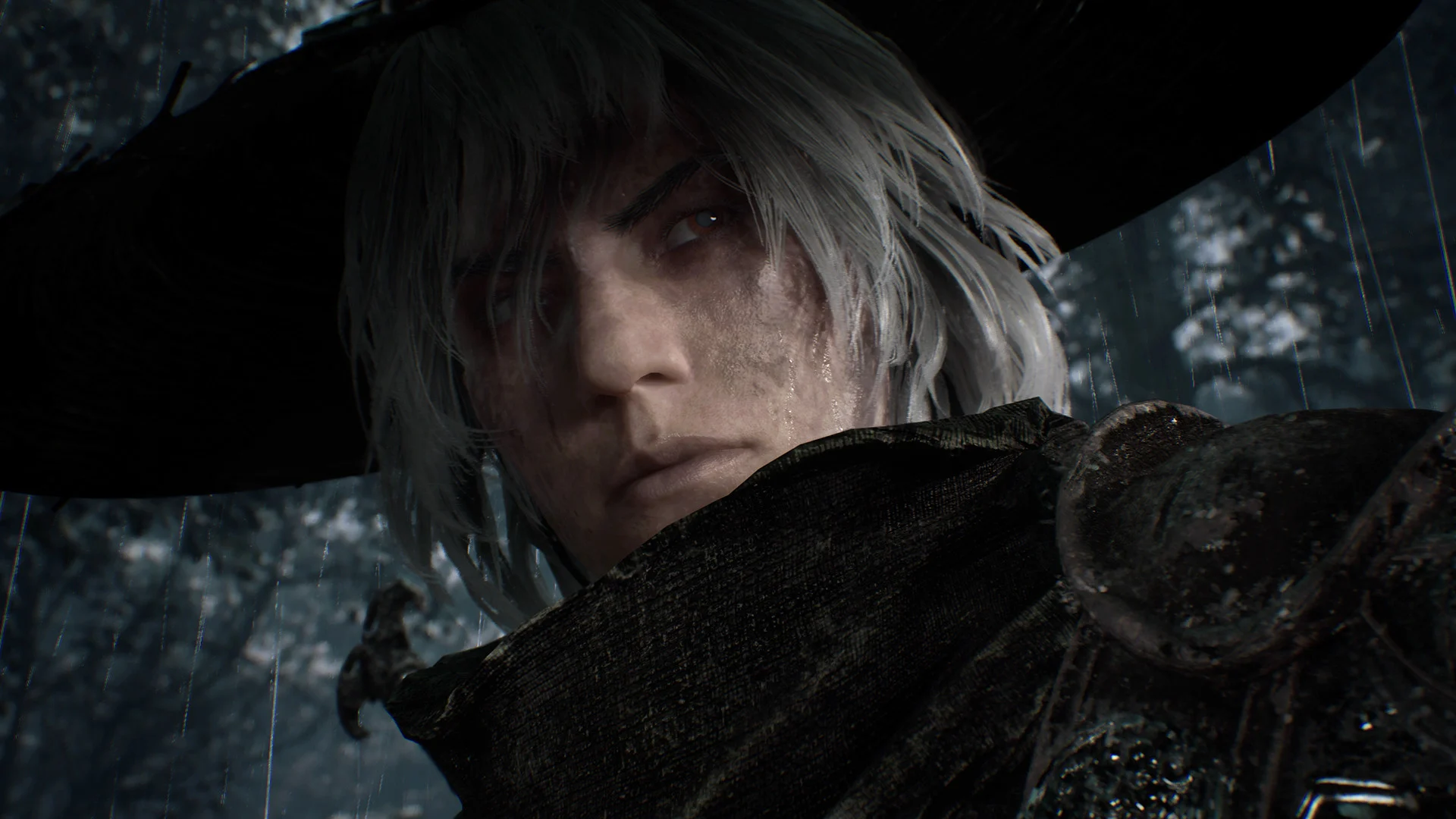
Reporting for GamingBolt, the author identifies a key divergence in how each game handles player input. Musashi, the protagonist of Onimusha, is described as a deliberate, calculating fighter who must commit to animations, making movement feel heavy and strategic. Conversely, Soul from Phantom Blade Zero is characterized as possessing more fluidity, with the ability to improvise defensive maneuvers mid-swing.
While Onimusha focuses on exploiting tactical openings through parries and the Issen counter, Phantom Blade Zero centers on unadulterated aggression. The analysis notes that Soul’s ability to swap weapons mid-combat removes the stamina pressure present in Musashi’s journey, allowing for a more continuous offensive style.
World Design and Longevity
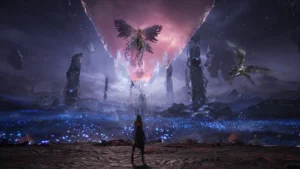
The evaluation extends to the environments of both games. GamingBolt highlights that the Wulin in Phantom Blade Zero offers greater verticality and map density compared to the city of Kyoto in Onimusha. The author notes that the inclusion of Phantom Edges encourages meaningful backtracking to access previously locked areas. In contrast, Onimusha’s backtracking is described as more limited in its utility.
However, Onimusha receives praise for its enemy encounters. The source notes that standard enemies in Onimusha present a more coherent challenge that requires players to manage spacing and timing. Phantom Blade Zero is criticized for being too easy even on its highest difficulty setting, with the author observing that grunt enemies often fail to pose a significant threat.
Why it matters
For players, this comparison highlights a choice between two different styles of action-adventure. Those seeking a high-stakes, tactical experience where every mistake feels costly may find Onimusha’s design more compelling. Players looking for deep build-crafting, aggressive combat flow, and world-exploration mechanics may prefer the design philosophy behind Phantom Blade Zero.
The inclusion of specific modes like Phantom Blade Zero’s “66 Days” mode, which imposes a limit on lives, represents an attempt to bridge the gap between player power and perceived difficulty. For those invested in these titles, the replay value remains a core differentiator, with Phantom Blade Zero offering more room for character expression and build experimentation, while Onimusha leans on the precision of its combat systems.