



News
Former Take-Two CEO suggests industry needs a ‘Toy Story moment’ for AI acceptance
Ben Feder, the former CEO of Take-Two Interactive who oversaw the launches of titles like Grand Theft Auto 4 and Red Dead Redemption, believes the current backlash against generative AI in gaming…
In this article
Ben Feder, the former CEO of Take-Two Interactive who oversaw the launches of titles like Grand Theft Auto 4 and Red Dead Redemption, believes the current backlash against generative AI in gaming will shift once the industry achieves a ‘Toy Story moment.’
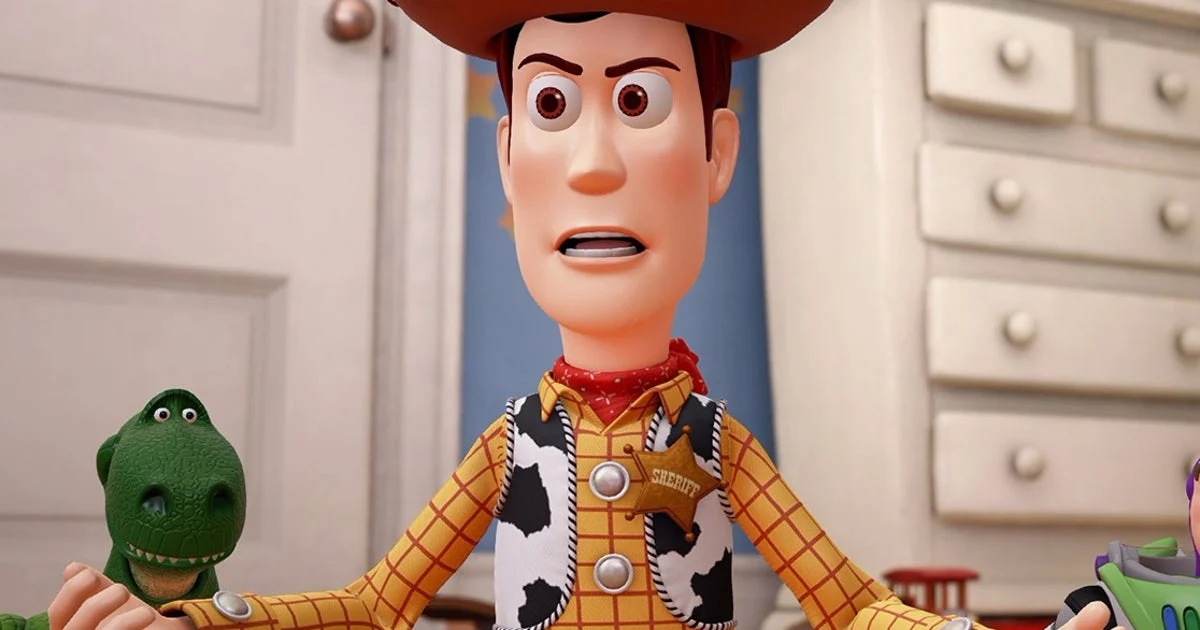
As reported by Eurogamer, Feder, who now leads the venture capital firm Tirta Ventures, drew a parallel between modern AI resistance and the industry’s historical transition from hand-drawn to computer-generated animation. He noted that the skepticism surrounding early computer animation dissipated after Pixar’s 1995 film proved the technology could deliver both a high-quality experience and a compelling story.
Feder argues that consumer acceptance in Western markets remains stalled, whereas he suggests markets in the East have already adopted the technology. He believes the gaming sector is currently awaiting a similarly defining project that proves the value of AI.
Shifting development and costs
Feder expressed skepticism that the primary benefit of generative AI will be cost reduction, despite that being a focus for many incumbent studios. Instead, he suggests that AI might simply lead to larger, more complex games for the same budget. His investment strategy at Tirta Ventures prioritizes whether a game’s core mechanics could even exist without AI intervention, viewing the technology as an evolution similar to how Unreal Engine’s instancing enabled massive player counts in battle royale titles.
While studios like Epic Games are actively integrating AI into their workflows and the Unreal Engine, the broader industry faces significant hurdles. Reports indicate that roughly 40 percent of developers are currently experimenting with AI, yet consumer sentiment remains largely negative. This friction is compounded by reports of low-quality titles flooding storefronts and the correlation between AI adoption and industry-wide layoffs over the last two years.
Why it matters
For players, this ongoing debate marks a potential shift in how games are designed and produced. While developers see AI as a way to potentially expand the scale and interactivity of virtual worlds, the current player backlash stems from concerns over game quality and the human cost of these tools in the workplace.
As studios continue to integrate AI into their pipelines, players should watch for how this technology influences the gameplay experience rather than just the background development process. Whether a ‘Toy Story moment’ for games actually arrives—or if it changes the perception of AI for skeptical fans—remains the central question for the industry’s immediate future.