



News
How Rockstar’s design evolution from GTA 5 shaped the foundation for GTA 6
Long before players began exploring the world of GTA 6 with Jason and Lucia, Rockstar North was establishing the fundamental design philosophies that would define its modern open-world experiences.
In this article
Long before players began exploring the world of GTA 6 with Jason and Lucia, Rockstar North was establishing the fundamental design philosophies that would define its modern open-world experiences. In a detailed retrospective originally reported by GamesRadar+ via an interview with Edge Magazine, Rockstar North co-studio head and former GTA 5 art director Aaron Garbut reflected on the studio’s iterative approach to game design, noting that many of the lessons learned during the development of Los Santos paved the way for the series’ return to Vice City.
The foundation of open-world design
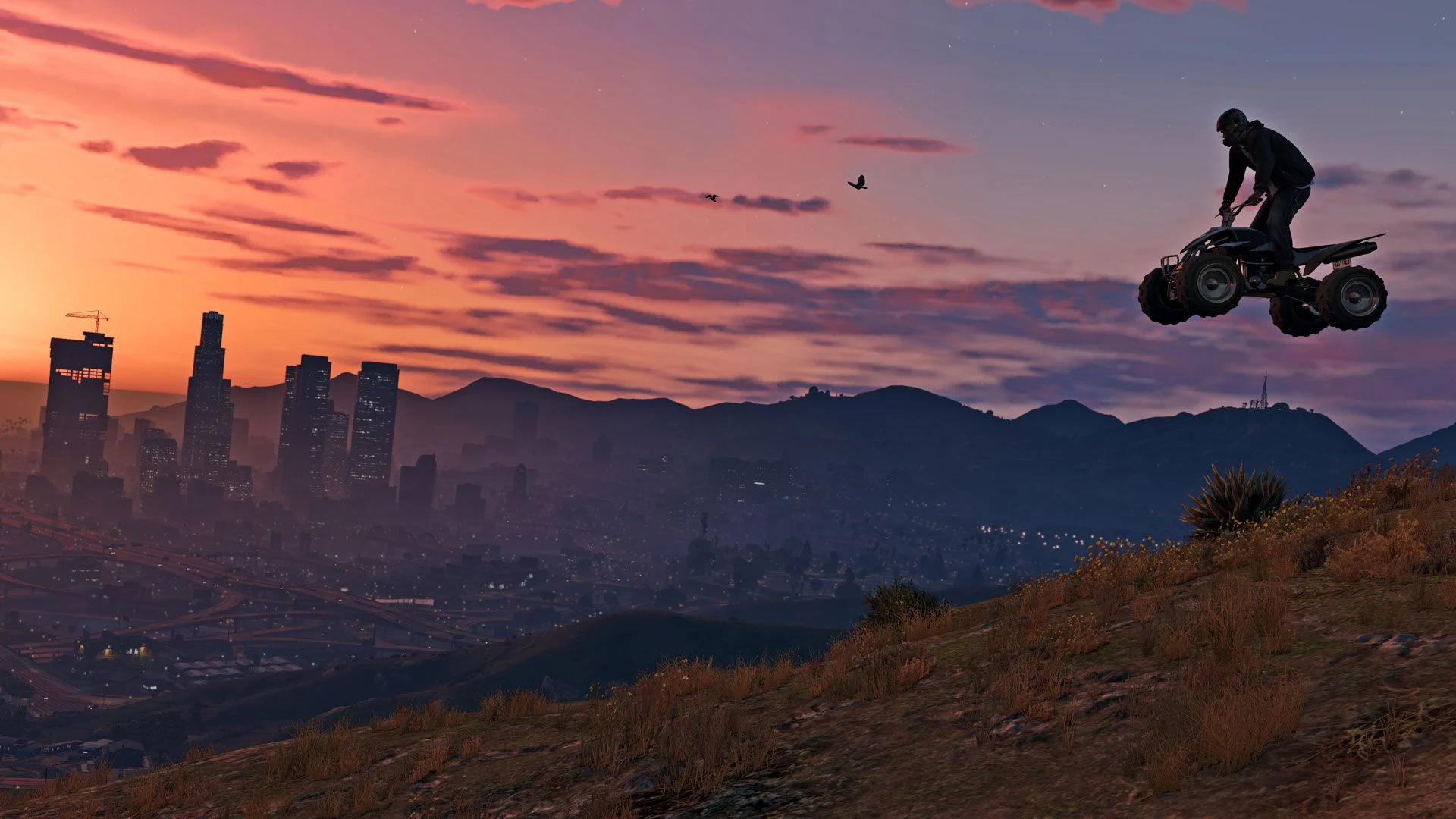
According to Garbut, the studio’s internal process for building worlds has remained remarkably consistent. Rockstar prioritizes the environment before the narrative or mission structure. During preproduction, the team creates a “white box city” to refine road layouts, vistas, and skyline landmarks. This “world-first” approach allows the team to ensure that districts blend naturally before mission designers begin placing key narrative points. Garbut noted that while developers utilize real-world cities for inspiration, they prioritize the “popular perception” of a location over a brick-by-brick reconstruction, allowing them to edit and emphasize features to create a more compelling gameplay experience.
Lessons in iteration and risk
Reflecting on the challenges of GTA 5, Garbut highlighted the “leap of faith” the studio took by introducing three playable protagonists. At the time, the team feared the mechanic might backfire, but they ultimately found it provided essential anchor points for the world design. A major takeaway for the studio was the necessity of remaining flexible. Garbut emphasized that developers must be willing to “kill their darlings”—cutting or changing features, plans, or assets if they do not serve the final product. “Let what’s best for the game dictate the way forward,” Garbut explained, noting that with massive projects, being open-minded and adaptive is more valuable than adhering to early, rigid plans.
Why it matters
For players, this insight reveals the continuity in Rockstar’s development culture, moving from the groundbreaking multi-character experiment in 2013 to the more focused dual-protagonist narrative of GTA 6. The transition from static, single-player experiences to the living, breathing environment of GTA Online has clearly influenced the studio’s current priorities, emphasizing a world that can evolve post-launch based on direct community feedback.
As the industry continues to analyze the mechanics of GTA 6, understanding this “world-first” philosophy offers a glimpse into why Rockstar’s environments feel distinct. While the source does not detail regional specifics, this iterative development style continues to define the high level of fidelity and detail players expect from the studio, ensuring that the environments in current and future titles remain as central to the experience as the characters who inhabit them.