News
Muscle Memory Battles the Switch 2’s New Manual Jump in Ocarina of Time
The long-awaited remake of The Legend of Zelda: Ocarina of Time for the Switch 2 has brought many modernization efforts, but for many series veterans, one specific mechanic is proving difficult to…
In this article
The long-awaited remake of The Legend of Zelda: Ocarina of Time for the Switch 2 has brought many modernization efforts, but for many series veterans, one specific mechanic is proving difficult to master: the introduction of a manual jump button. As reported by IGN, the shift from the original game’s auto-jump system—where Link would leap automatically when reaching a ledge—to a manual input has caused a wave of players to accidentally send Link into water or obstacles.
The struggle of long-standing habits
For the time since the Nintendo 64 release, players have relied on the intuitive auto-jump feature that defined the 3D Zelda experience. The removal of this system in the remake has left many fans grappling with years of muscle memory. According to user reports on social media cited by IGN, players are finding themselves forgetting the jump button entirely during traversal, leading to frequent, albeit often humorous, falls.
While the change is intended to provide more control, the adjustment period has sparked debate within the community. Some players feel the original auto-jump was a key part of the game’s identity, while others are simply adjusting to the new button mapping. IGN notes that while the default jump is set to the X button, the game does include settings allowing players to remap the action to the B button, which may help those struggling with the default layout.
Why it matters
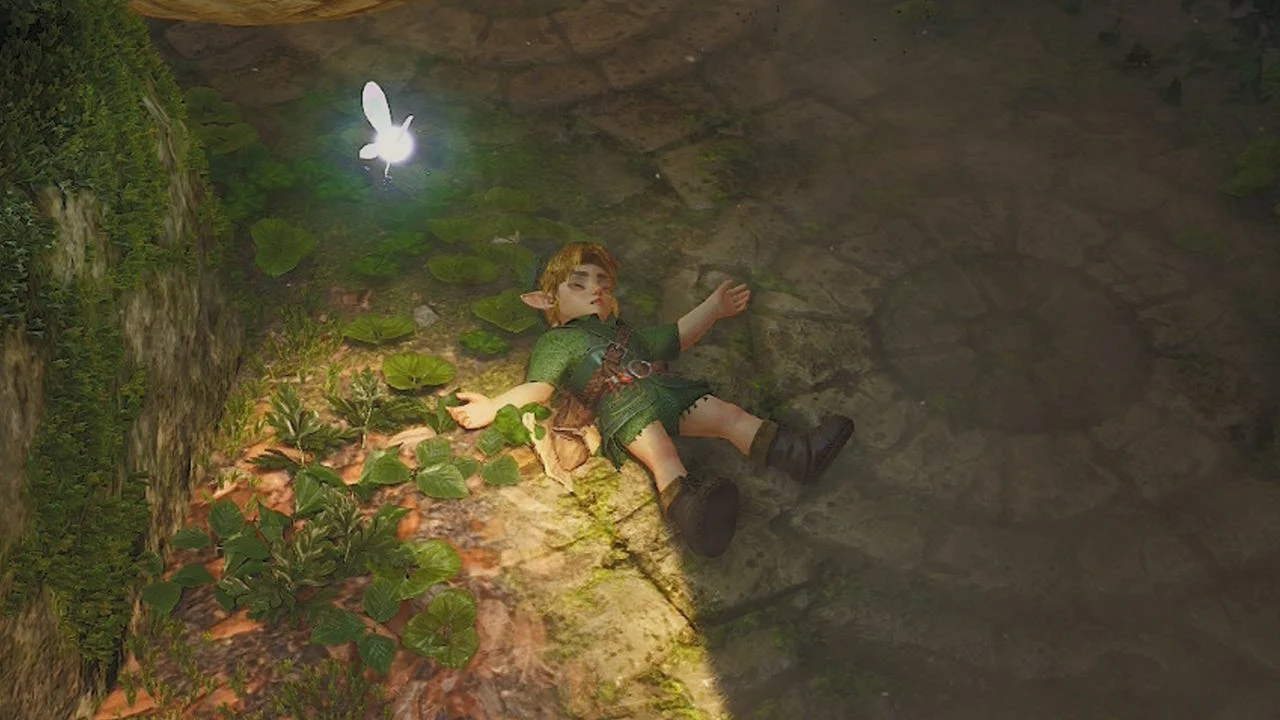
This change represents a fundamental shift in how players interact with the game’s environment. For those who grew up playing the 1998 classic on the Nintendo 64, the learning curve is steep, as navigating Hyrule’s topography now requires deliberate timing rather than passive movement. While Link occasionally takes damage from these missteps, the remake’s new ragdoll physics at least add a comedic element to these failures.
If you are playing, keep an eye on your button settings if the default layout feels unnatural, and be prepared for some trial and error as you adjust to the new traversal mechanics. Looking ahead, fans are already speculating on potential future content, with dataminers suggesting the possibility of Master Quest DLC or a potential remake of Majora’s Mask following the game’s November 5 launch.