




News
Playground Games reflects on Fable’s development cycle and modern RPG influences
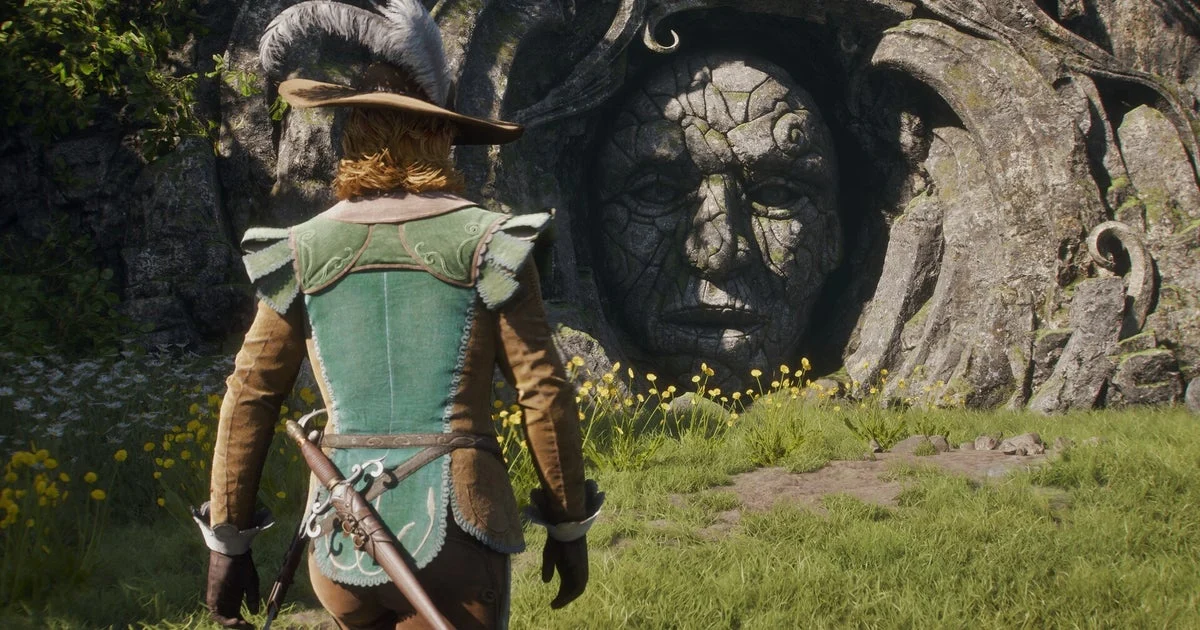
After a prolonged development period marked by multiple delays, the highly anticipated Fable reboot is finally slated to release early next year.
In this article
After a prolonged development period marked by multiple delays, the highly anticipated Fable reboot is finally slated to release early next year. Ralph Fulton, co-founder of Playground Games and general manager for Fable, recently spoke with GIBiz regarding the challenges of the project, acknowledging that while the team has maintained its “original vision,” the journey to completion has been far from straightforward.
Development challenges and vision
Fulton was candid about the obstacles the studio faced during the game’s creation, stating, “I say this with some pride – tempered against the fact that this has been obviously an enormously long development, so clearly not everything has gone well – but I would say that our original vision of what Fable needs to be has remained unchanged,” as reported by Rock Paper Shotgun.
According to Fulton, the long gestation period was due to a combination of factors, including working with a new genre and franchise, implementing new technology, and aiming to capture the core “Fable-ness” of the series—specifically the combination of high-stakes drama, British wit, and complex simulation mechanics. To manage scope creep, the team made an early design decision to limit social and economic simulation to “first and second degree ripple effects,” arguing that players would realistically only notice consequences within that range.
Looking beyond the classics
While the studio stayed true to the spirit of the original trilogy, Fulton admitted that looking exclusively to the older games for inspiration would have been a mistake in the current market. He noted that industry benchmarks have shifted significantly since the series last saw a major entry. Specifically, he pointed to titles like The Witcher 3 and the modern Assassin’s Creed entries (Origins, Odyssey, and Valhalla) as games that redefined player expectations for open-world action RPGs.
Why it matters
For players, this update clarifies that the upcoming Fable reboot is balancing its legacy DNA with the mechanical standards set by modern open-world blockbusters. By looking to titles like Assassin’s Creed for inspiration, Playground Games is signaling a departure from the more contained structure of the original games in favor of a larger, more modern RPG experience.
With a release window set for early next year, the main point of interest remains seeing how that “British wit” and classic humor translates into a more modern, sprawling open-world design. Players should keep an eye out for further details on how these combat and quest structures differentiate themselves from the industry leaders that Fulton cited as primary inspirations.