



News
Blood of Dawnwalker: 10 Essential Tips for Beating Brencis Before Time Runs Out
The Blood of Dawnwalker throws players into a 30-day race against time to stop the vampire Brencis from killing Coen's family in the Vale Sangora. A new guide breaks down ten core strategies to help beginners master the game's dual-nature mechanics, time management system,…
In this article
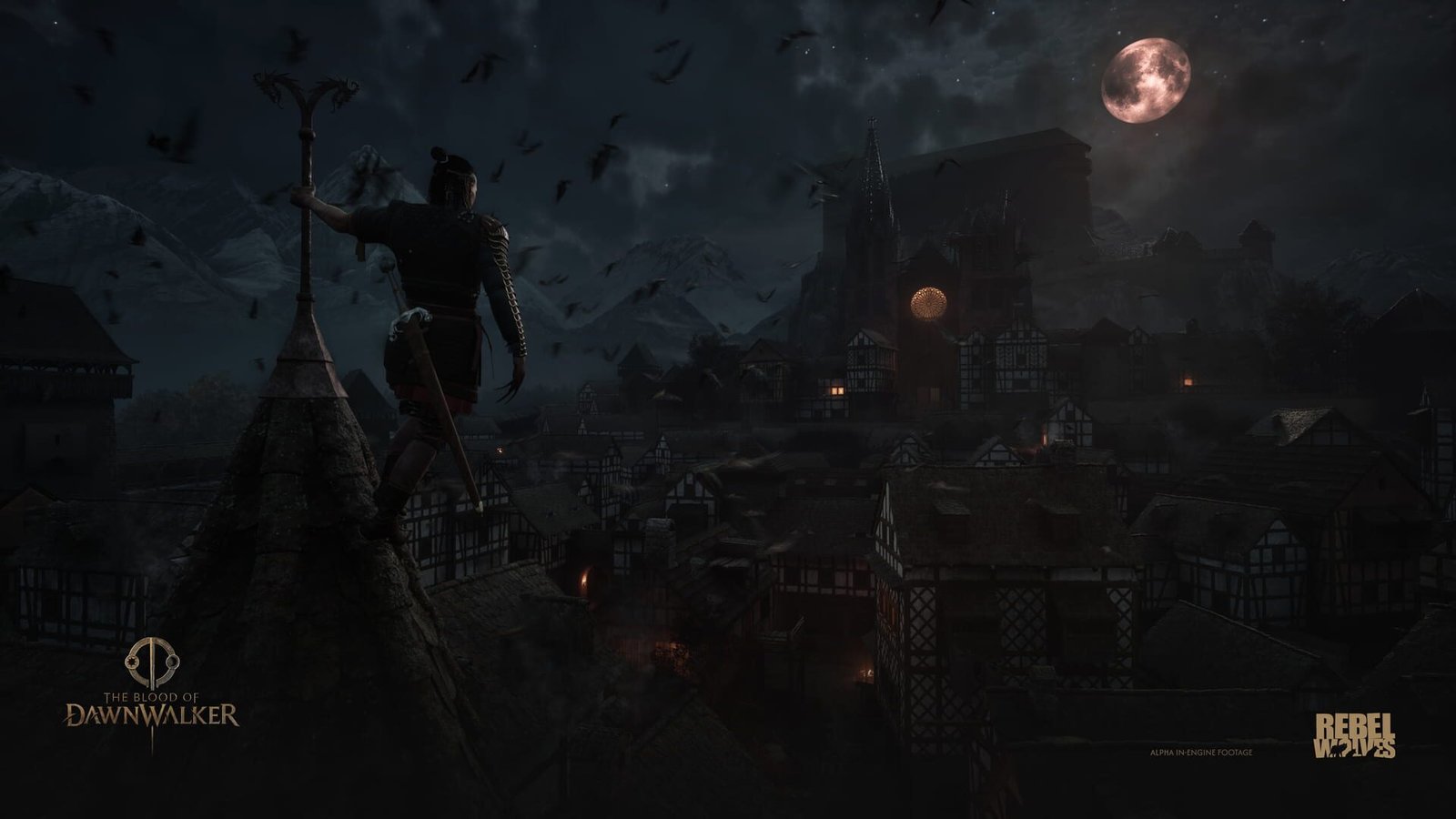
The Blood of Dawnwalker throws players into a 30-day race against time to stop the vampire Brencis from killing Coen’s family in the Vale Sangora. A new guide breaks down ten core strategies to help beginners master the game’s dual-nature mechanics, time management system, and skill progression without getting overwhelmed.
Understanding the Time System
Time is the game’s defining constraint. Actions like talking to NPCs, fighting enemies, and upgrading abilities all consume time, which you can track in your journal or the time bar at the top right of the screen. The prologue is especially tight on time, so the smartest first move is to explore an area and talk to everyone available before committing to any quests. This lets you gather intel on available activities without being locked into time-heavy commitments.
Once you reach the open world, the pressure eases considerably. You get 480 total time segments to spend over 30 days—plenty of room to experiment, even if you waste time on the “wrong” abilities or side activities. The real danger isn’t running out of time; it’s refusing to invest time in getting stronger, finding allies, and weakening Brencis’ court.
Time of day matters more than you might think. The same quest plays out differently depending on whether it’s daytime or nighttime. You might solve a problem through conversation during the day, but if time shifts to night before you finish talking to NPCs, they may go home, forcing a different approach. This is especially critical when using vampire powers like Shadowstep: if night turns to day while you’re sneaking through a tower, you may lose your stealth advantage and get trapped inside.
Combat, Skills, and Character Safety
As a vampire, Coen is dangerous to the people around him. At night, if his blood (HP) drops below one segment while talking to a human, he’ll succumb to feral hunger and kill them—even important NPCs. During the day, when Coen is human, NPCs are much safer, though you can still accidentally kill them through poor choices or failure to help them. Losing an important NPC early locks you out of their quest lines, so save frequently (every 10 minutes or so) to avoid permanent mistakes.
For skill progression, unlock the haste abilities first. Shapeshift (from the vampirism tree) and Mercurial Fervour (from the witchcraft tree) both grant enhanced sprint modes that make traversing the huge map far less tedious. Mercurial Fervour is available immediately after the prologue, while Shapeshift requires reaching corruption level 1 by feeding on animals. Both cost just one skill point and no time.
When building your character, focus on one skill tree—either witchcraft or vampirism—rather than spreading points thin. Sword mastery is a solid fallback if you’re unsure which direction to take, and Shadowstep serves as a reliable safety tool in tough situations.
Why This Matters
Blood of Dawnwalker is built on meaningful trade-offs. Every action costs time, and time is finite. The game respects player agency by warning you of costs upfront and letting you explore consequences before committing, but it also means casual play can lock you out of content. The dual-nature mechanic—human by day, vampire by night—creates genuinely different gameplay experiences and stakes; becoming feral during a conversation isn’t a bug, it’s a failure condition. These systems reward patience and planning over rushing.
What’s Next
Players diving into the Vale Sangora should expect a game that respects their time and punishes carelessness with permanent consequences. How the community approaches the 30-day timer and skill trees will likely shape which endings and quest lines become most common in early playthroughs.