News
The Witcher 3 Remastered: Free Visual and Combat Overhaul Refreshes an 11-Year-Old Game
The Witcher 3: Wild Hunt has received a free Remastered edition that delivers a sweeping visual and systemic overhaul to CD Projekt Red's 2015 RPG, though the experience stops short of fundamentally…
In this article
The Witcher 3: Wild Hunt has received a free Remastered edition that delivers a sweeping visual and systemic overhaul to CD Projekt Red’s 2015 RPG, though the experience stops short of fundamentally transforming the game.
Visual Upgrades Anchor the Remaster
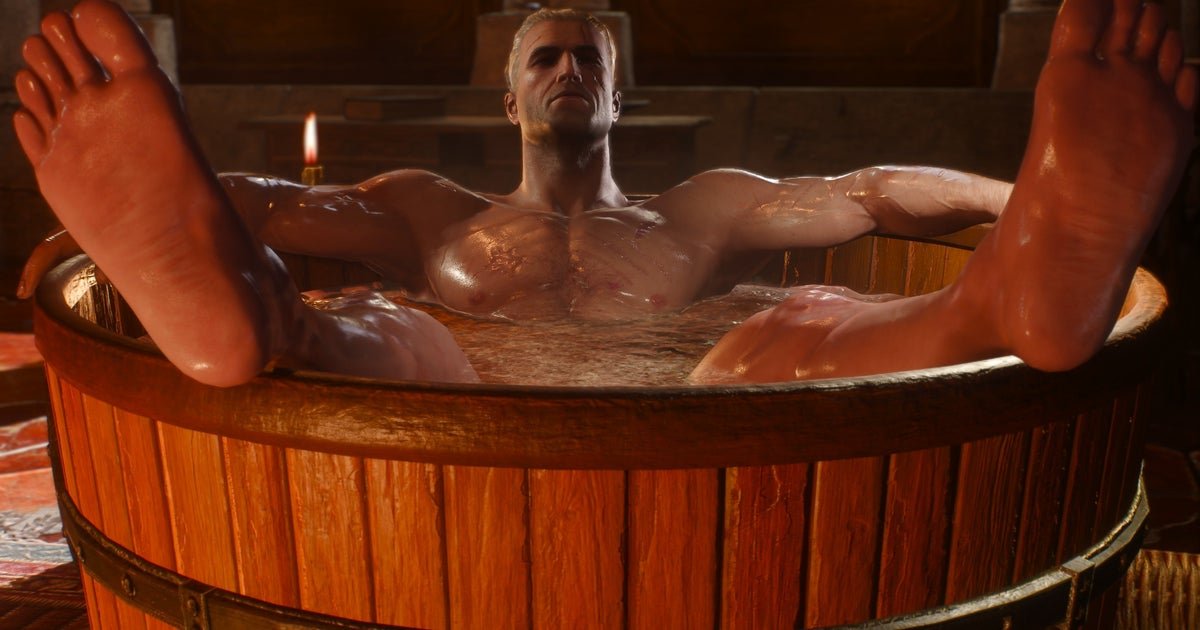
According to Eurogamer’s hands-on appraisal, the most immediately noticeable changes are visual. Character models and environments now display significantly more detail: Geralt’s scarred skin and clothing are more finely textured, NPC faces no longer bear the visual hallmarks of a decade-old game, and wilderness areas appear fuller and more vibrant. Enemy designs have received particular attention—drowners sport iridescent, light-reflecting skin; forktail dragons display metallic green hues and membranous wings; and Barghest hellhounds feature flaming green eyes and shadowy jump trails.
Lighting overhauls frame the world more picturesquely. The game’s signature dawn and dusk lighting now reflects on water surfaces, and forests gain depth from improved shadow casting. Ray tracing and path tracing are available on PC and PS5 Pro (which runs ray tracing at 60 FPS), though the reviewer noted performance costs—a mid-range PC struggled with ray tracing enabled in Novigrad, though the visual upgrade remains noticeable even with the feature disabled.
Combat and Progression Receive Systemic Treatment
Beyond visuals, the Remastered edition reorganizes the skill system. Ability trees now branch into multiple routes across weapon, potion, and magic categories, replacing the previous four-block structure. The crossbow has been notably improved with generous damage multipliers, particularly for headshots, and a new parry ability offers a percentage chance to instantly kill ranged attackers. The skill changes appear designed to encourage build overlap, allowing magical or potion abilities to boost sword damage and vice versa.
Geralt’s animations have been refined for fluidity and speed, with more combat finisher moves adding visual variety to repeated encounters. Enemy behavior has been updated to feel “more immersive and reactive,” according to accompanying press materials, and the reviewer observed increased aggression and dodge tendencies across encounters, though attributed some difficulty to their own rustiness on a late-game save.
Smaller additions include a reworked Witcher Senses detective mode, expanded photo mode, transmogrification to customize weapon and armor appearance, and cross-platform mod support with a dedicated mod menu.
Practical Limitations
The reviewer noted that without the forthcoming Songs of the Past expansion—which requires completing the main campaign—the Remastered edition may entertain returning players for only a few hours of tour-like engagement. The remaster does not fundamentally alter combat systems or core gameplay loops; it remains recognizably The Witcher 3, albeit visually and mechanically refined. New accessibility options are included, though not detailed in the source material.
The free upgrade reflects what the reviewer describes as an unprecedented level of post-launch support for a single-player game, positioning the remaster as preparation for upcoming DLC while reinforcing why the 2015 original has endured.