News
LOUD Secures Historic Second VALORANT Champions Title
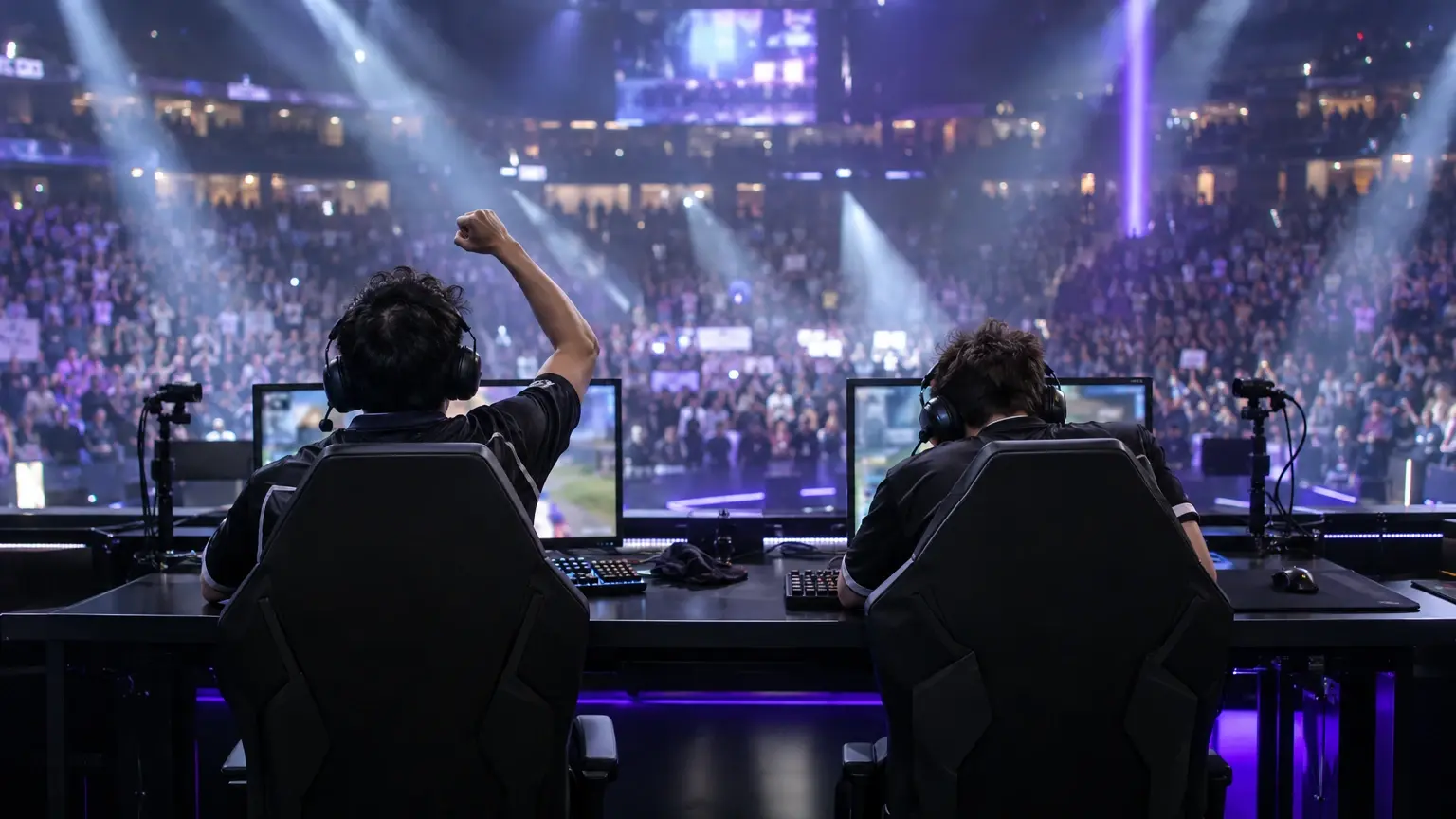
LOUD has officially cemented its place in esports history, becoming the first organization to claim two VALORANT Champions titles after a decisive 3-1 victory over Team Vitality.
In this article
LOUD has officially cemented its place in esports history, becoming the first organization to claim two VALORANT Champions titles after a decisive 3-1 victory over Team Vitality. As reported by Esports Insider, the best-of-five final concluded in four maps, securing a $1 million grand prize for the Brazilian squad and earning in-game leader Roberto “erde” Lobos the tournament MVP title. This victory marks a significant milestone in the competitive landscape of the tactical shooter developed by Riot Games.
The tournament served as the year’s premier annual event, drawing considerable attention from a global fanbase. According to data provided by Esports Charts, the final reached a peak audience of 1.49 million concurrent viewers. This figure is approximately 1.21% higher than the peak audience recorded during the VALORANT Champions 2025 event, suggesting that the top-tier viewership for the flagship competition has remained broadly steady year over year. Despite this consistent reach, the final did not surpass the all-time VALORANT viewership record held by VCT 2024: Masters Madrid, which remains the only tournament in the game’s history to exceed 1.6 million concurrent viewers.
Outside of the grand final, the tournament featured several high-stakes matchups. The next most-watched encounter was the Upper Bracket Quarterfinal between Paper Rex and LOUD, which attracted nearly 886,000 peak viewers. Notably, no other match during the 2026 Champions tournament surpassed the one million concurrent viewer threshold. The event also saw a significant surge in interest within specific demographics, as the peak audience for the Portuguese-language broadcast rose by 89.2% compared to the previous year. Furthermore, the number of unique channels broadcasting the event has grown, with an increase of approximately 50 unique channels compared to the last two Champions iterations.
Why it matters
For the VALORANT community, this victory and the conclusion of the event signify the end of an era. The 2026 final serves as the closing chapter for the current VCT competitive format, as Riot Games prepares to transition to a more open, tournament-heavy ecosystem in 2027. While partner teams will remain a core part of the circuit, this year’s viewership data provides a critical baseline for developers, teams, and commercial partners to evaluate the game’s growth as the structural shift takes effect next year.
The tournament’s performance, including its third-place standing alongside events like Champions Shanghai, confirms that Champions remains the most significant annual event for the scene. As the game moves into a more open model, the performance of top-tier organizations like LOUD will likely continue to be a primary driver for engagement metrics, serving as a key benchmark for all stakeholders involved in the professional circuit moving forward.