News
Former Rockstar dev warns AI could threaten GTA 6’s delayed PC release
With Grand Theft Auto 6 looming over the gaming industry, former Rockstar Games technical director Obbe Vermeij is suggesting that the developer's traditional console-first release strategy might be…
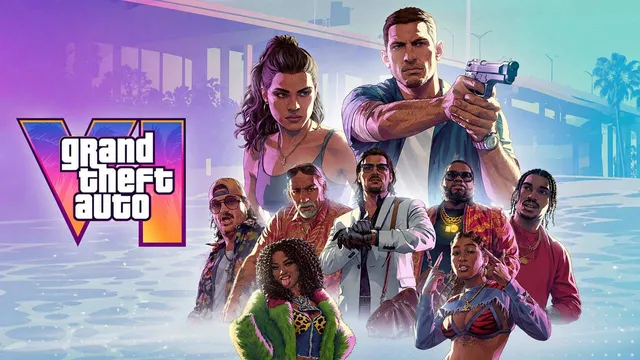
With Grand Theft Auto 6 looming over the gaming industry, former Rockstar Games technical director Obbe Vermeij is suggesting that the developer’s traditional console-first release strategy might be facing a new, unexpected threat: AI-driven unofficial ports. As reported by Kotaku, Vermeij believes that rapid advancements in artificial intelligence could allow third parties to reverse-engineer and port console builds to PC faster than ever before.
The evolution of Rockstar’s strategy
Vermeij, who served as technical director on Grand Theft Auto III, explained that Rockstar historically moved away from prioritizing PC development to avoid the technical compromises often required when scaling down ambitious projects. By focusing on console hardware first, the studio ensures the title meets their internal quality benchmarks. However, Vermeij argues that the rise of AI in game development—specifically in tools capable of decompiling and reassembling game assets—has created a “brave new world” where major publishers can no longer rely on the sheer complexity of game development to act as a barrier against unauthorized ports.
While Vermeij notes that an AI-generated port would likely lack the polish and performance of an official Rockstar build, he warns that it could still negatively impact sales for the studio. “I would be concerned if I was Rockstar,” Vermeij told Rock Paper Shotgun. “Somebody would just take the PS5 version and get AI to change it to PC, which won’t be as good as their effort, but it could still also hurt their sales.”
Why it matters
For players, this highlights an increasing tension between developer release schedules and the accelerating pace of technology. While Rockstar has successfully leaned on a staggered release model for years, the potential for AI to bridge those gaps with “ersatz” versions could force major publishers to rethink how they handle exclusivity windows to protect their bottom line.
For the average gamer, this serves as a reminder that the ease with which software can be dissected and ported is shifting rapidly. While Rockstar still has the legal muscle of Take-Two to combat intellectual property theft, the prospect of AI-assisted unofficial versions suggests that the long wait for official PC releases may become a much more complicated issue for developers to manage in the coming years.