خبر
Fnatic’s VALORANT Slide: How EMEA’s Flagship Team Lost Its Edge
Fnatic has long been the pillar holding up EMEA's competitive VALORANT presence. With two international VCT trophies and a track record of consistent global appearances, the organization built a…
في هذا المقال
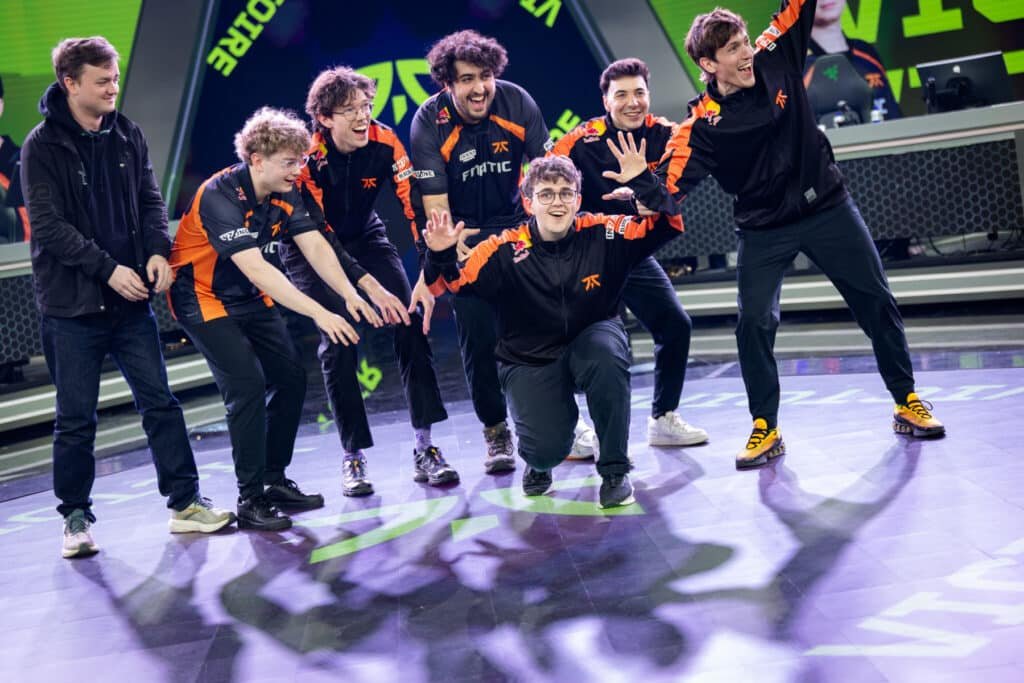
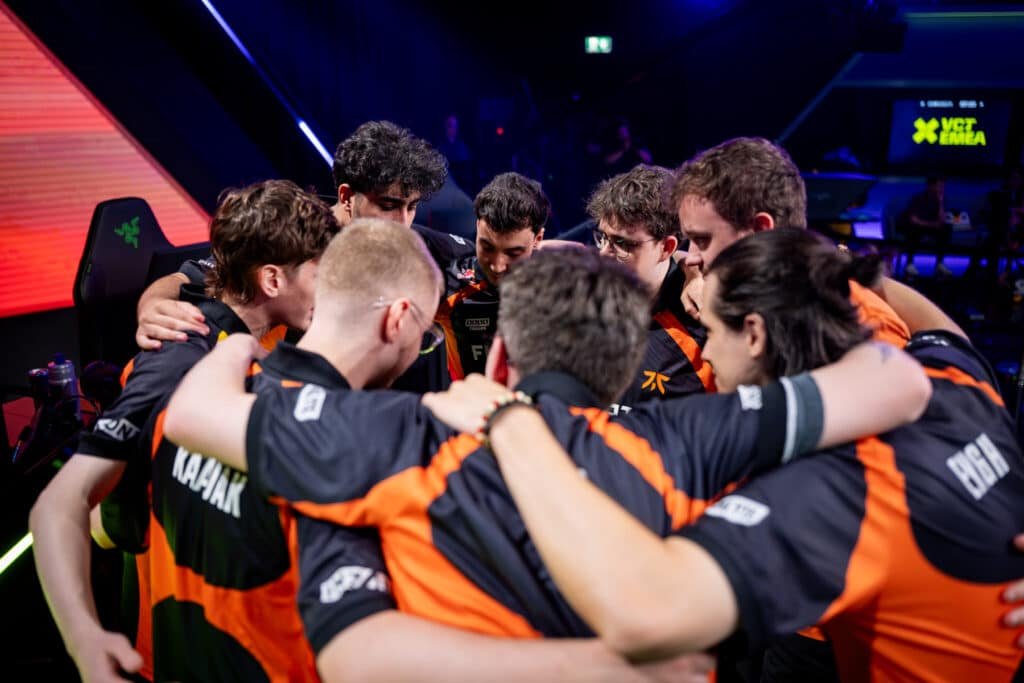
Fnatic has long been the pillar holding up EMEA’s competitive VALORANT presence. With two international VCT trophies and a track record of consistent global appearances, the organization built a reputation for stability in a region often criticized for underperformance compared to other VCT circuits.
That consistency made their approach to the 2026 season seem like a natural continuation. Coming off back-to-back top-2 finishes at international events, Fnatic appeared positioned to maintain their regional dominance and compete at the highest level.
**What Changed**
The full scope of Fnatic’s struggles heading into 2026 isn’t detailed in available reports, leaving the specific roster moves, strategic shifts, or external factors behind their decline unclear. What we know is that a team expected to compete for championships instead found themselves facing questions about fundamental performance.
This represents a notable departure for an organization that defined consistency in EMEA—a region where roster instability and regional parity have historically made sustained excellence rare. Fnatic’s ability to maintain excellence across multiple years stood out partly because of how difficult that feat is in their circuit.
**The Bigger Picture**
Fnatic’s downturn raises questions about sustainability in competitive VALORANT, even for organizations with proven track records. Whether this reflects broader shifts in player talent distribution, evolving meta demands, or internal team dynamics remains open—the available information doesn’t specify which factors contributed most.
For EMEA as a region, losing a traditionally dominant team from contention could reshape competitive dynamics, though whether this creates space for other teams to elevate or reflects a broader regional decline isn’t established.
The gap between expected performance and actual results suggests Fnatic will need more than roster continuity to return to international contention. What that adjustment looks like—and whether it’ll be enough—remains to be seen.