خبر
Stranger Than Heaven Leans on Historical Research to Build Its Brutal, Era-Specific World
Stranger Than Heaven is taking a different swing at historical game design. Rather than generic period window dressing, the developers are grounding their project in actual historical research to…
في هذا المقال
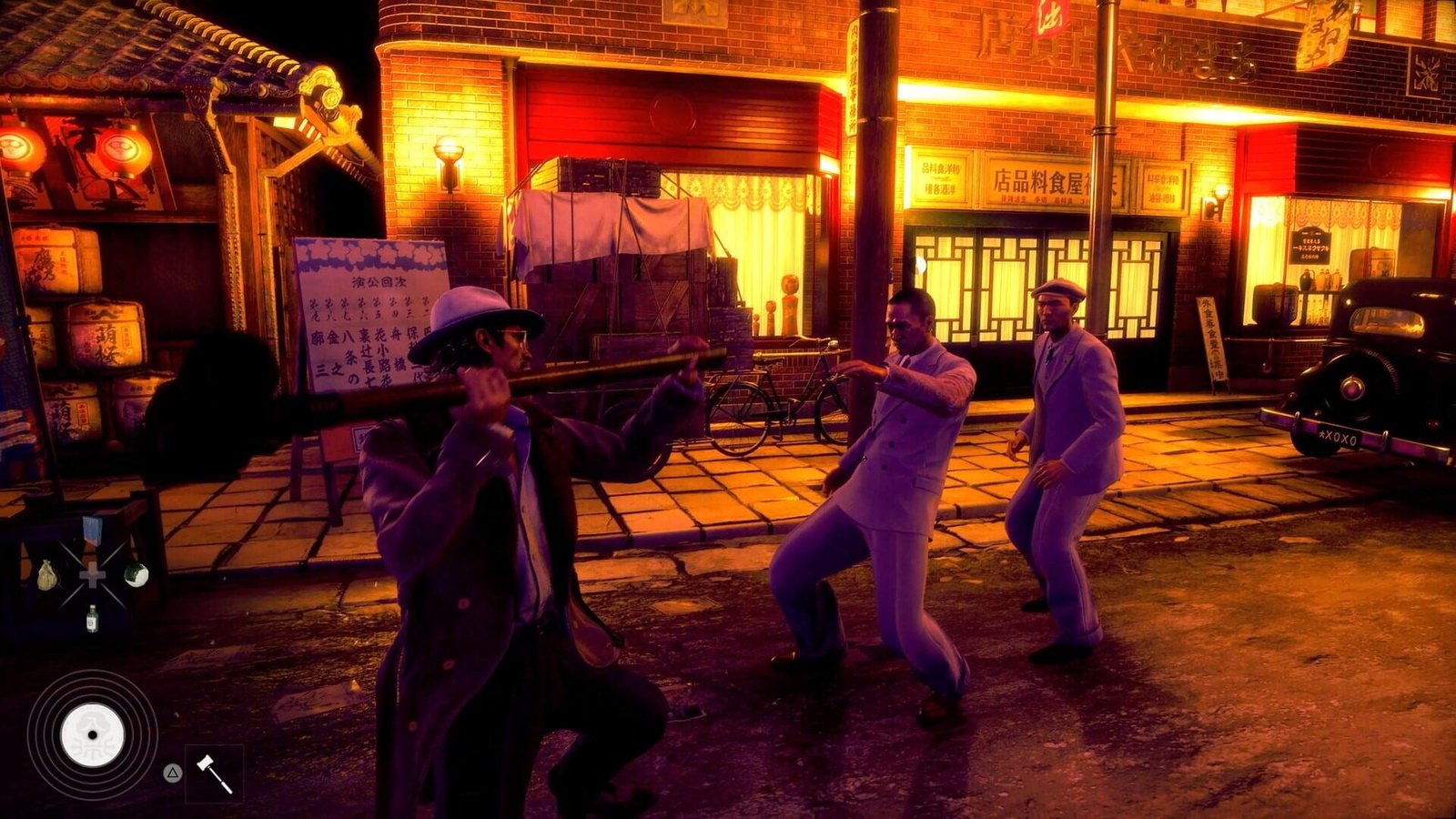
Stranger Than Heaven is taking a different swing at historical game design. Rather than generic period window dressing, the developers are grounding their project in actual historical research to shape everything from combat mechanics to in-game entertainment across a 50-year story span.
It’s a deliberate move away from the copycat approach that dominates period games. Most titles in this space grab a historical setting and bolt on familiar gameplay; Stranger Than Heaven is doing the inverse—letting the era dictate how the world actually plays.
How History Shapes Combat
The brutality you’ll experience in Stranger Than Heaven isn’t just violent for violence’s sake. The developers have used historical context to inform how combat feels, flows, and kills. That means weapons, tactics, and encounter design are rooted in what actually worked—or didn’t—in the period being depicted, rather than what feels “cool” by modern action-game standards.
Building a Living 50-Year Timeline
A half-century story isn’t just a setting—it’s a commitment to showing how a world changes. The inclusion of period-specific entertainment (what people actually did for fun across decades) suggests the devs are thinking about immersion in layers: not just what happens, but how people lived between the major story beats.
This approach mirrors the kind of deep worldbuilding that separates memorable historical fiction from paint-by-numbers period pieces. When your entertainment options, social norms, and available tech shift with the decades, the world stops feeling like a museum and starts feeling like a place that breathes.
Why It Matters
Games have a window to do something film and novels can’t: let you live inside a historical moment, making choices within its constraints. Most games squander that by treating history as aesthetic. Stranger Than Heaven betting on research over convention signals a studio willing to trust players to engage with systems that feel alien because they were alien to the eras being explored.
For players burned out on sanitized or fantasyland takes on history, that’s a breath of fresh air.