



News
Mobile Legends Built Southeast Asia’s Mobile Esports Dominance Through Strategic Regional Focus
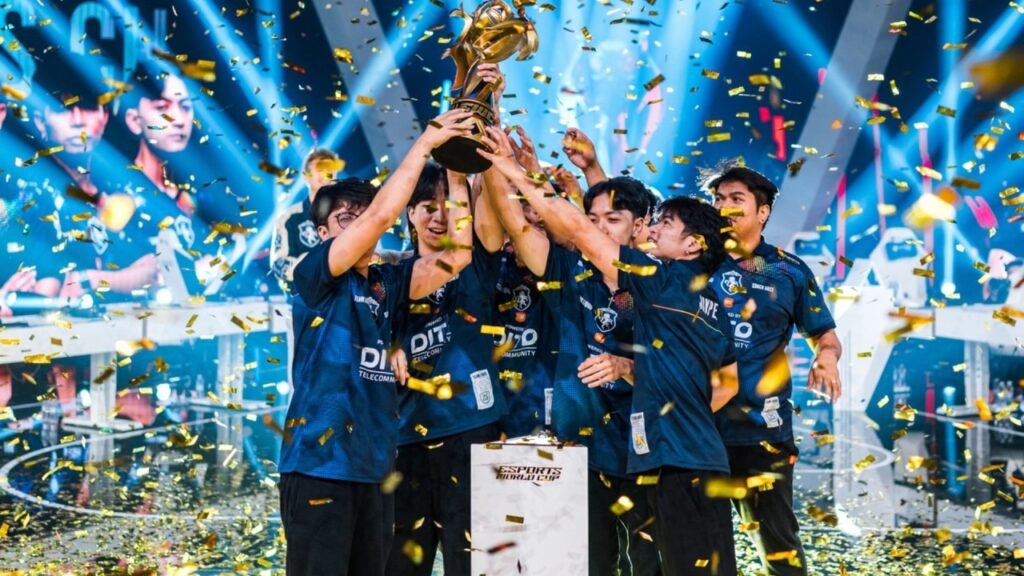
Mobile Legends: Bang Bang launched globally in 2016 and found its strongest foothold in Southeast Asia, where it became one of the region's biggest mobile esports titles. Despite competition from Free...

Mobile Legends: Bang Bang launched globally in 2016 and found its strongest foothold in Southeast Asia, where it became one of the region’s biggest mobile esports titles. Despite competition from Free Fire’s larger install base and Honor of Kings’ major regional push, MLBB has maintained leadership in engagement and revenue metrics across SEA.
The achievement is notable given the region’s historical preference for PC gaming. MLBB’s success in converting that audience—and building a dedicated esports ecosystem around a mobile title—represents a shift in how competitive gaming developed in Southeast Asia.
What We Know
The source confirms MLBB’s 2016 launch, its position as a top SEA mobile esports game, and that it leads competitors in engagement and revenue within the region. However, the summary doesn’t detail the specific strategies, timeline milestones, or structural decisions that drove this dominance. The full article (behind the “Continued” link) presumably covers those elements.
What Remains Unclear
The summary doesn’t specify which Southeast Asian countries showed strongest adoption, what percentage of regional revenue or players MLBB commands, or how its esports infrastructure (leagues, prize pools, franchising) compares structurally to Free Fire or Honor of Kings’ regional operations. It’s also unclear whether “engagement” refers to daily active users, session length, or another metric.
Context Worth Noting
Southeast Asia’s mobile gaming market is massive and has historically favored mobile-first titles over imports of Western PC games. MLBB’s 2016 timing placed it early in the region’s serious mobile esports push, before the market matured and competitors consolidated. The competitive landscape has shifted significantly since then, making the claim of sustained leadership specific enough to warrant checking against current market reports.
The framing suggests this is a retrospective analysis of how MLBB built its position, not a current state report—which matters if you’re looking for present-day market share data.