




News
Fire Emblem: Fortune’s Weave Delivers Ambitious Scope With Theatrical Drama and Gameplay Variety
Fire Emblem: Fortune's Weave lands on Nintendo Switch 2 as a successor to Three Houses that pushes the series into new territory through sheer scale and theatrical ambition. According to My Nintendo N...
In this article
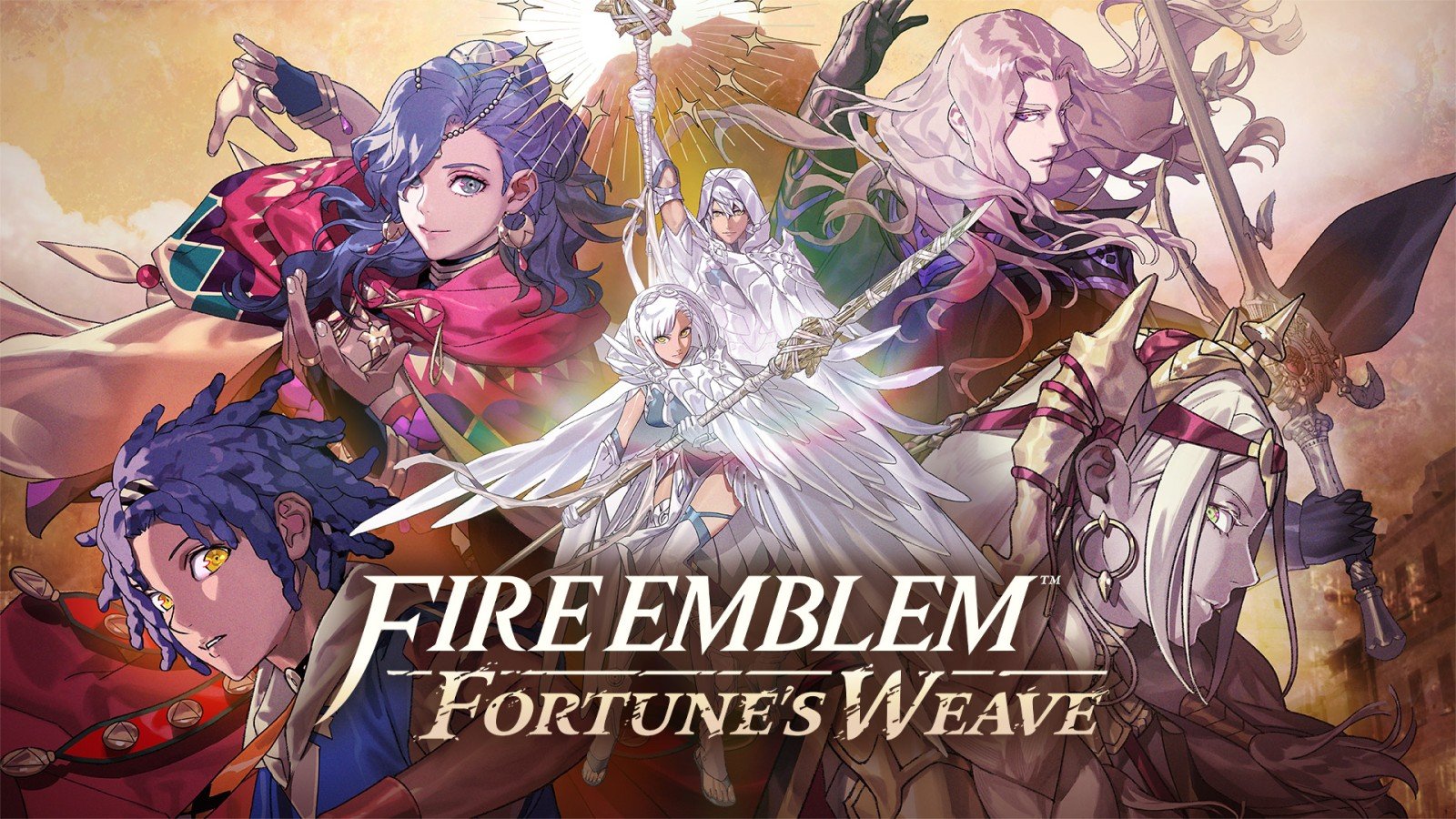
Fire Emblem: Fortune’s Weave lands on Nintendo Switch 2 as a successor to Three Houses that pushes the series into new territory through sheer scale and theatrical ambition. According to My Nintendo News, the game’s story follows Eshmel, a guardian sent five years into the past by the goddess Fortuna to guide four fighters—Cai, Theodora, Dietrich, and Leda—through an apocalyptic conflict against the demon god Balor. The narrative structure unfolds across three acts, with the first featuring four distinct routes through the Heroic Games tournament, where each protagonist’s path delivers its own story, setpieces, and battles.
Story and Characters: Scale Over Depth
The game trades the emotional depth of Three Houses for theatrical flair and sheer ensemble cast size. According to the review, Part 1 routes vary in quality: Cai and Theodora deliver “safe but solid” stories of love and righteousness, while Dietrich stands out through eccentricity and mystery. Leda’s route is considered the weakest, with rushed plot motivation and a protagonist whose “abrasive personality, rife with man-hating and wild outbursts,” makes her hard to connect with despite limited character growth. The writing sacrifices individual character depth for variety and scale, though the large supporting cast and their interconnections create “an ensemble well worth spending time with.” Parts 2 and 3 raise stakes by reuniting all routes and culminating in a campaign against Balor in the future, which the review describes as “epic and euphoric.”
Gameplay: Genre Hopping Without Losing Footing
Fortune’s Weave shifts gameplay focus across its three acts. Part 1 emphasizes a calendar system with social simulation, dungeon crawling, quests, and exploration. Part 2 strips away free roam for chapter-by-chapter tactical battles described as “the most like classic, tactical Fire Emblem,” with the review calling these maps “the best” due to curated design and intensity. Part 3 reintroduces the calendar but pivots to large-scale army management, where players coordinate multiple squads across Dagda to prepare for major battles. The difficulty escalates significantly, though the review notes that artificial spikes stem from “reinforcement spam and miasma everywhere” rather than curated map design. The endgame’s combination of story and squad management is compelling but “soured a bit by the inflated difficulty and open map design.”
Presentation and Content Volume
Visually, the game opts for stylized art and vibrant environments across diverse biomes—beaches, deserts, jungles, marshland—with character designs reflecting ethnic variety. The review notes some “extravagant outfits and hair colours stick out like a sore thumb,” and environments prove “forgettable.” Running at 30 FPS in handheld, the game looks “quite good.” Music includes “several standout tracks,” though it doesn’t match Three Houses’ legendary soundtrack. The English voice cast is “excellent,” though Three Houses’ stronger script delivered more memorable performances. A semi-rushed playthrough runs approximately 80 hours across multiple routes, with calendar advancement and auto-training options available to reduce playtime.
Verdict
According to My Nintendo News, Fortune’s Weave succeeds through ambition despite occasional excess. The review concludes that the game “is sometimes too big for its own good, but that’s exactly what makes it easy to root for,” praising Intelligent Systems’ daring while acknowledging stumbles. Players willing to overlook shortcomings will find “a festival of creativity and spectacle.”