News
Sony Reportedly Tapping External Studios to Revive PlayStation Classics
PlayStation fans might finally be getting the nostalgia trip they’ve been waiting for. According to recent reports, Sony is actively looking to revitalize its library of dormant classic franchises…
In this article
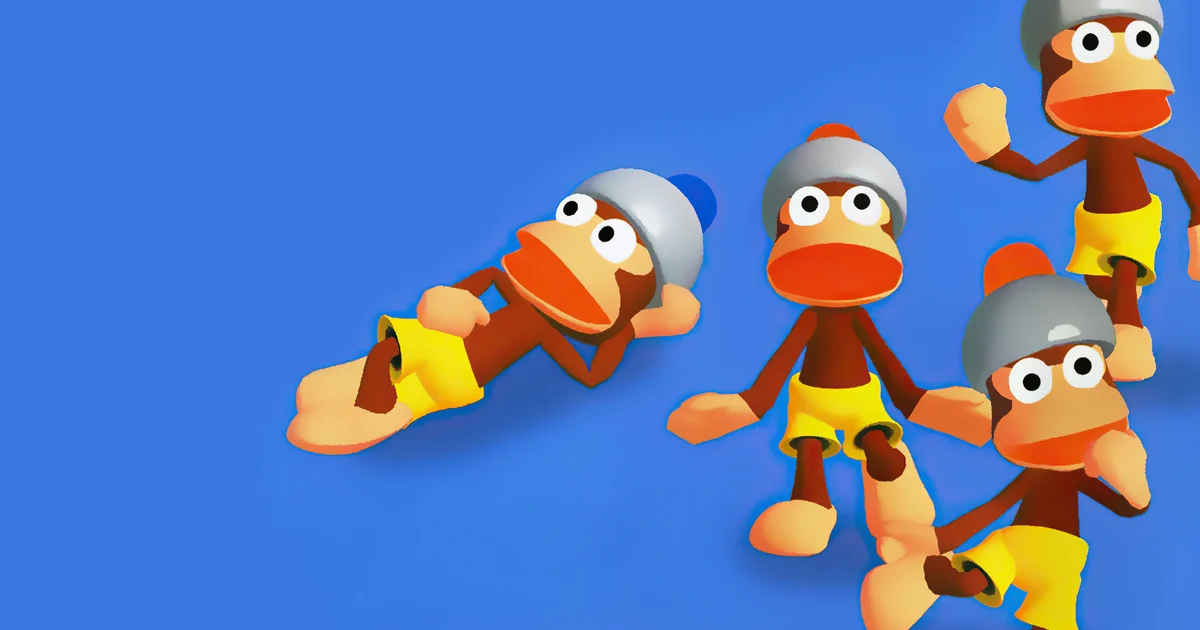
PlayStation fans might finally be getting the nostalgia trip they’ve been waiting for. According to recent reports, Sony is actively looking to revitalize its library of dormant classic franchises, starting with a new entry in the beloved Ape Escape series.
Industry reporter Jeff Gerstmann, supported by corroboration from VGC, suggests that the project is currently in the hands of Evening Star. For those who aren’t familiar with the studio, Evening Star is the independent team comprised of the talent behind the critically acclaimed Sonic Mania and the more recent 3D platformer Penny’s Big Breakaway. While the news is exciting, it sounds like we have a long wait ahead of us; Gerstmann noted that the game is not close to release, meaning development is likely in its earlier stages.
The New Strategy for Legacy IP
This move appears to be part of a broader strategy at Sony to outsource its classic IP to smaller, specialized third-party developers rather than relying solely on internal studios like Team Asobi. This model mirrors Sony’s approach to Everybody’s Golf, which was successfully handled by Bandai Namco. By partnering with external teams, PlayStation is looking to breathe new life into older properties that have sat on the shelf for years.
Ape Escape, which tasked players with capturing mischievous apes using a variety of specialized gadgets, hasn’t seen a mainline entry since 2005’s Ape Escape 3. However, the series recently found its way back into the spotlight with a nostalgic tribute included in the critically acclaimed Astro Bot, which served as a reminder of how much potential remains in PlayStation’s catalog.
Why it matters
For players, this shift represents a potential goldmine of returns for dormant franchises that defined the PS1 and PS2 eras. If Sony is successful in utilizing specialized indie teams to capture the magic of these classics, we could see a wave of legacy revivals that prioritize gameplay feel and authenticity over massive, bloated production cycles.
It is an encouraging sign that Sony is looking beyond its massive internal studios to bring these games back. While there is no official word on release windows or regional specifics for the Middle East or beyond, this strategy suggests a commitment to portfolio diversification. With rumors already circulating about other potential projects—such as a new Killzone game from People Can Fly—the future for classic PlayStation fans looks significantly brighter than it did just a few months ago.