News
From Worlds to Gateways: How the MMORPG Identity Shifted in the Live-Service Era
The golden age of the MMORPG, defined by titles like World of Warcraft, EverQuest, and Ultima Online, fundamentally changed the gaming landscape by introducing the concept of persistent, evolving…
In this article
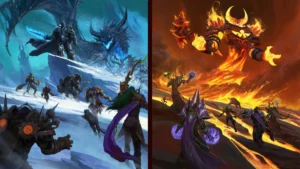
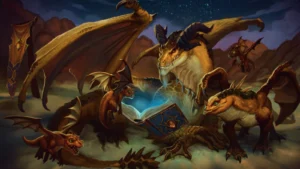
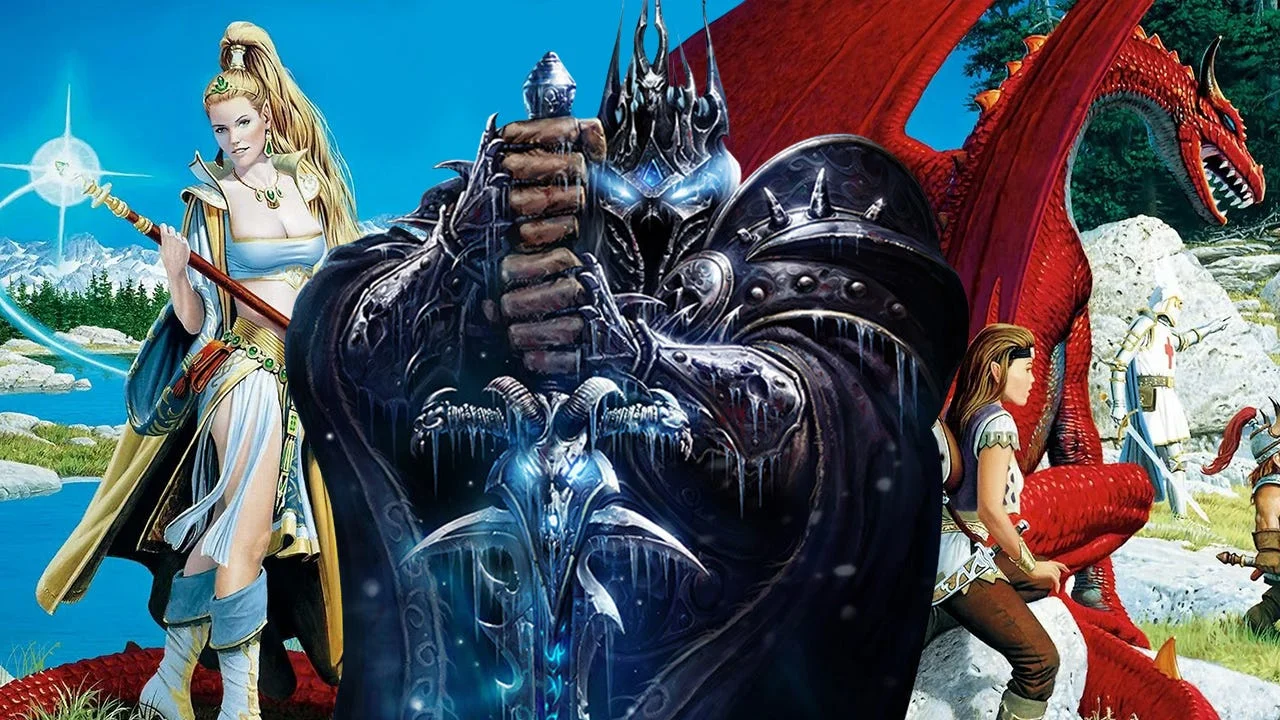
The golden age of the MMORPG, defined by titles like World of Warcraft, EverQuest, and Ultima Online, fundamentally changed the gaming landscape by introducing the concept of persistent, evolving online worlds. However, as the industry has matured, the definition of “live-service” has drifted away from these expansive fantasy hubs toward shorter, transaction-heavy play cycles. While pioneers like World of Warcraft continue to operate decades after launch, the genre now faces significant headwinds in an era dominated by platforms like Roblox and quick-burst competitive shooters.
The Evolution of the Digital World
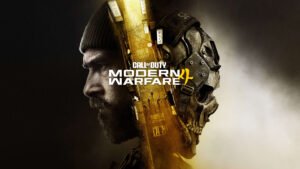
In the early 2000s, MMORPGs acted as digital destinations where players formed deep social bonds, often described as living a second life. Creators like Richard Garriott, who coined the term ‘MMORPG’ for Ultima Online, and developers like Jeff Kaplan, who transitioned from an EverQuest guild member to a World of Warcraft designer, emphasized that these games functioned like governments where players were citizens. This sense of ownership and communal immersion stood in contrast to modern live-service titles like Apex Legends or Call of Duty, which prioritize “jump-in, jump-out” mechanics, battle passes, and short-form combat loops.
Why it matters
For players, this shift represents a move from gaming as a ‘destination’ to gaming as an ‘airport’—a transition point between various transient experiences. Modern titles prioritize seasonal content, lore snippets, and grind-based rewards over the slow-burn community building once synonymous with the genre. For those seeking the specific, long-term social investment of traditional MMOs, the barrier to entry for new, high-quality projects has risen sharply. As industry veterans like Bill Trost note, the cost of investment and the high technical expectations of modern audiences make it difficult to justify the development of new, massive-scale MMORPGs compared to lower-risk live-service models.
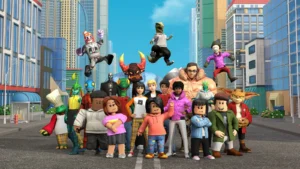
Looking ahead, the landscape is increasingly defined by user-generated content platforms like Roblox, where the community is shifting from participants to mini-developers. While classic titles remain active, the core appeal of the ‘infinite world’ is being challenged by platforms that allow players to build their own experiences, suggesting that the future of online gaming may lie in autonomous player ecosystems rather than developer-curated monolithic worlds.