News
Dungeons & Dragons: World of Warcraft Book Details Revealed as a DM Toolbox
The long-awaited collaboration between two of fantasy's biggest titans, Dungeons & Dragons and World of Warcraft, is taking shape not as a rigid campaign, but as a flexible toolkit for Dungeon…
In this article
The long-awaited collaboration between two of fantasy’s biggest titans, Dungeons & Dragons and World of Warcraft, is taking shape not as a rigid campaign, but as a flexible toolkit for Dungeon Masters. During a recent deep-dive presentation, senior game designer Joey Haeck described the upcoming project as a “toybox” designed to help DMs seamlessly transplant the lore and geography of Azeroth into their tabletop sessions.
A Dungeon Master’s Toolkit
Rather than forcing players through a linear script, the book provides curated character options, magic items, monsters, and iconic dungeon maps. These layouts stay true to their MMO origins while adding new shortcuts and secrets for veteran Warcraft players to discover. The source material emphasizes that DMs can pick and choose how to utilize these assets, allowing groups to either craft their own narrative frameworks or simply jump straight into iconic raids and dungeon crawls.
Iconic Dungeons and Boss Stat Blocks
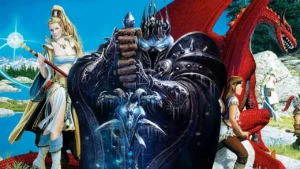
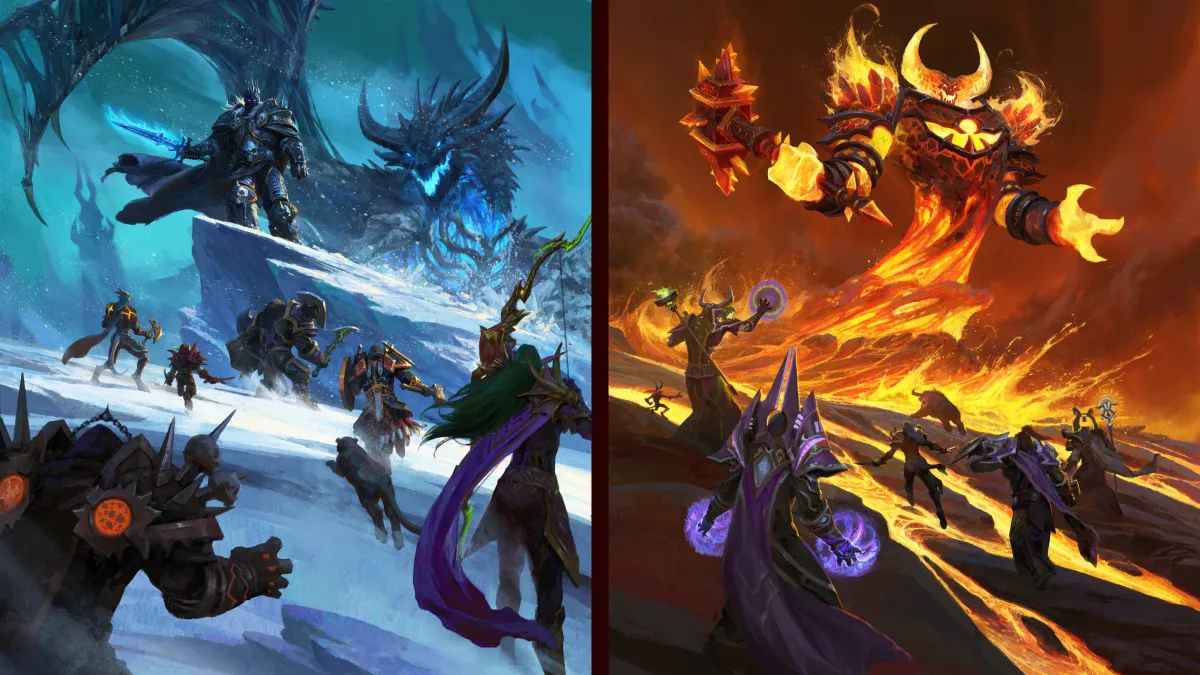
Combat balance is categorized by level tiers, ensuring that iconic zones fit naturally into various points of a campaign. Low-level adventurers can tackle the Deadmines or Shadowfang Keep (levels 1-4), while high-level parties can push into the depths of Azjol-Nerub or face Onyxia herself at levels 17-20. The book also introduces stat blocks for legendary Warcraft figures, including Jaina Proudmoore, Sylvanas Windrunner, and the Lich King Arthas, with challenge ratings scaling up to 25. While combat is a major focus, the adaptation allows for non-combat solutions like negotiation and stealth, ensuring the D&D experience remains distinct from the MMO’s focus on clearing rooms.
Player-Centric Mechanics and Factions
Beyond the DM-focused tools, the project integrates player-facing mechanics inspired by Azeroth. Warcraft’s profession system is being adapted into D&D’s tool proficiencies, allowing players to engage in gathering and crafting. Furthermore, the book utilizes the existing Renown system to track faction affinity, featuring over 20 distinct groups, including the iconic Alliance and Horde.
Why it matters
For players who split their time between Azeroth and the tabletop, this book bridges the gap between two very different playstyles. By adapting MMO professions and faction standing into core D&D mechanics, it allows groups to feel the progression systems of World of Warcraft within the freedom of a pen-and-paper RPG.
Since this is designed as a modular resource rather than a closed-off campaign, it offers high replayability for any DM looking to inject Warcraft-style encounters or iconic villains into their home games. Players should watch for how these new monster conversion rules—such as those for adding aquatic traits to existing stat blocks—might change the way they handle encounters even outside of a Warcraft-themed setting.