





News
Indie Developer Pulls Controversial San Francisco-Based Zombie Game Following Official Backlash
A controversial first-person shooter titled Tenderloin Night Shift has been removed from online marketplaces after San Francisco city officials condemned the title for its depiction of local…
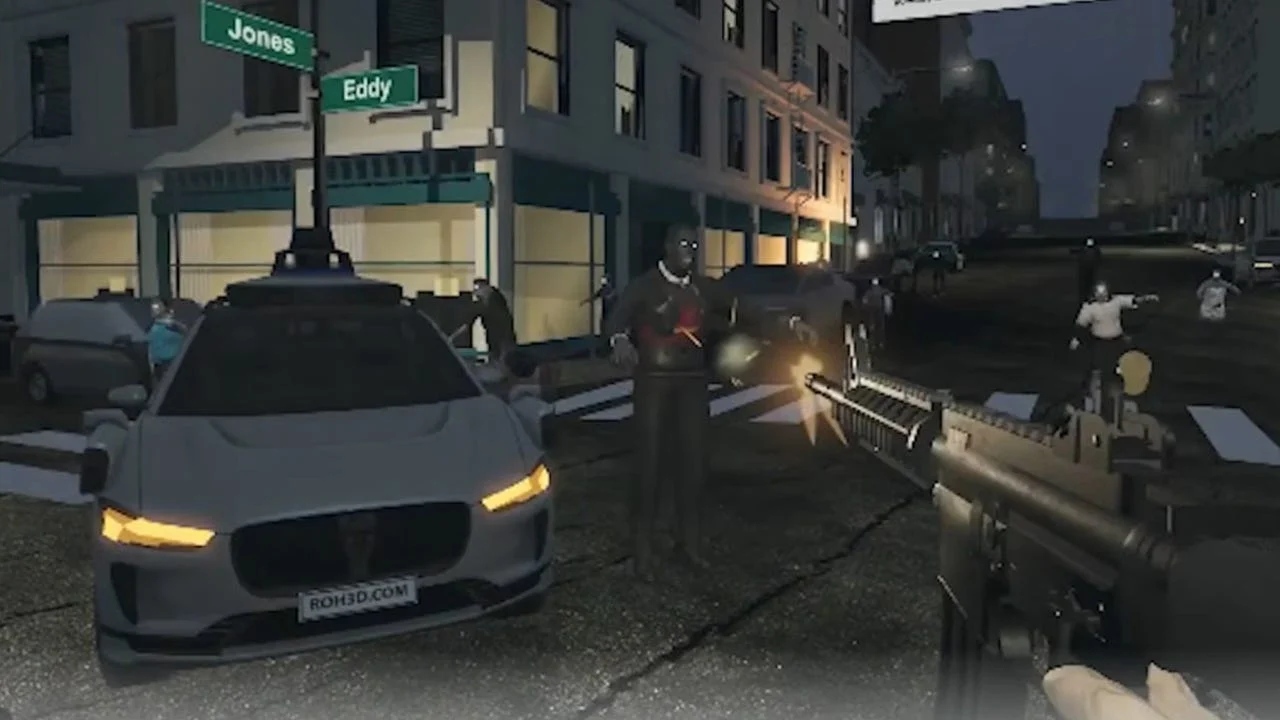
A controversial first-person shooter titled Tenderloin Night Shift has been removed from online marketplaces after San Francisco city officials condemned the title for its depiction of local residents. As reported by IGN, the developer, Pierre-Louis Biojout, created the game over a single weekend using OpenAI’s Codex to simulate San Francisco’s Tenderloin neighborhood.
The controversy behind the game
The game faced immediate scrutiny for its portrayal of enemies, which players were tasked with shooting. Critics pointed out that the ‘zombie’ models appeared to mimic real-world individuals, including delivery workers, construction personnel, and those suffering from substance abuse. Specifically, the game featured enemies in the ‘fentanyl fold,’ a posture commonly associated with individuals struggling with addiction.
San Francisco Mayor Daniel Lurie publicly rejected the project, stating, “There’s no accounting for taste or people’s terrible ideas. This is a bad one, and we reject it.” Supervisor Bilal Mahmood, who represents the Tenderloin district, added that “turning violence against real people, including unhoused people, into entertainment is dehumanizing.”
Developer apology and resolution
Following the intense negative response, Biojout removed the game from his website, NanoCorp AI, and issued a public apology. In his statement, the developer claimed the project was not intended to target any specific group or depict violence against real people, citing inspiration from Alcatraz-themed maps in the Call of Duty series.
Beyond pulling the game, Biojout noted that he has refunded all advertisers who purchased digital billboard space in the game and has donated the entirety of the project’s revenue to the Delancey Street Foundation, a San Francisco-based nonprofit that provides vocational training and rehabilitation services.
Why it matters
This incident highlights the growing tension between AI-assisted development and community standards. For players and the broader gaming community, the removal of the title serves as a reminder that developers are being held increasingly accountable for how their projects represent real-world urban crises and sensitive societal issues.
While the game is no longer available, the situation underscores the potential for rapid backlash when developers use real-world locations and struggling populations as the basis for ‘vibe-coded’ interactive entertainment. Players should continue to monitor how platforms and developers navigate the ethics of using AI tools to quickly generate content based on sensitive real-world environments.