News
Why Mass Effect holds more market value than Dragon Age, according to a BioWare veteran
In a recent discussion regarding the legacy and market potential of BioWare's iconic franchises, veteran producer Mark Darrah weighed in on which property holds more weight for potential investors.
In this article
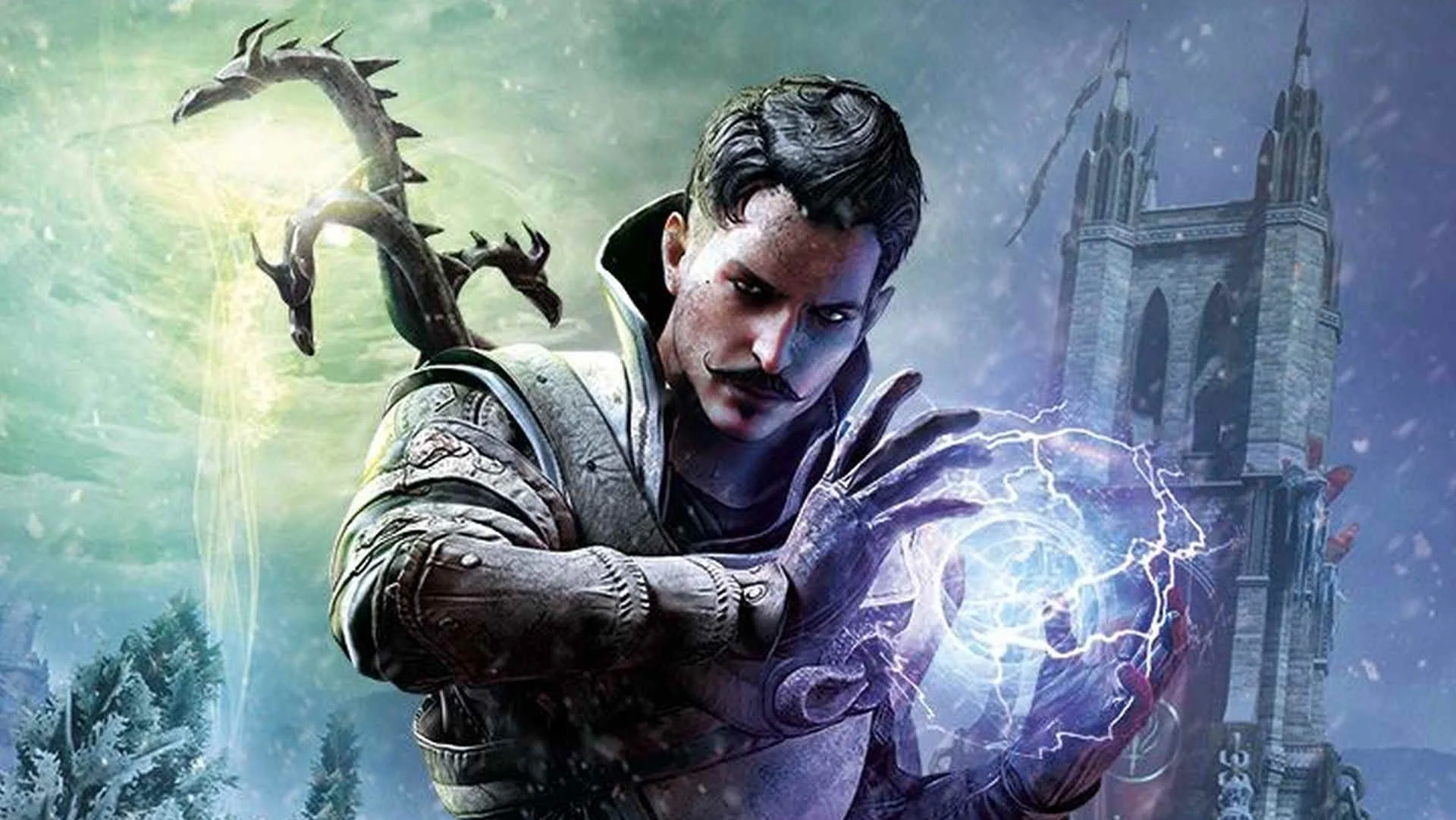
In a recent discussion regarding the legacy and market potential of BioWare’s iconic franchises, veteran producer Mark Darrah weighed in on which property holds more weight for potential investors. As reported by GamesRadar+, Darrah suggests that the Mass Effect series possesses a distinct value proposition that separates it from the crowded fantasy landscape of Dragon Age.
The value of unique worldbuilding
Speaking in an interview with Eldorado.gg, Darrah posits that Mass Effect is inherently more valuable as an intellectual property than Dragon Age, primarily due to its unique worldbuilding. While acknowledging the depth of Dragon Age, he argues that it faces stiff competition from other high-profile fantasy franchises.
“The worldbuilding in Dragon Age versus the worldbuilding in any Lord of the Rings game, or a Baldur’s Gate game, or a Witcher game – they are similar enough that it would be tempting to just do it again, just make another new fantasy,” Darrah explained. From a business perspective, he argues that a prospective buyer would have to calculate if the Dragon Age brand name offers enough incremental sales to justify the acquisition cost, or if they would be better served creating a ‘spiritual successor’ with a different name.
Why it matters
For players, Darrah’s perspective highlights the harsh reality of how industry outsiders might view beloved franchises. The sentiment suggests that while a brand carries a dedicated fan base and legacy, companies might prioritize creating original IP over purchasing established, genre-typical fantasy brands. If a developer can achieve similar results by building their own fantasy world, they may opt for that path rather than navigating the costs and expectations associated with an existing series like Dragon Age.
Ultimately, Darrah points out that the IP alone doesn’t guarantee a loyal audience. Unless a new developer is led by someone with a deep, proven history with the franchise—like former lead writer David Gaider—there is no guarantee that the original fan base will follow a new iteration of the series. For fans, this serves as a reminder that the future of these worlds depends as much on the creative vision behind the project as the strength of the brand itself.