




News
Control Resonant Balances Engaging World-Building With Uneven Quest Design
Control Resonant arrives on PlayStation 5, Xbox Series X/S, PC, and Mac on September 24, 2026, continuing the supernatural bureaucratic saga seven years after the events of the original Control.
In this article
Control Resonant arrives on PlayStation 5, Xbox Series X/S, PC, and Mac on September 24, 2026, continuing the supernatural bureaucratic saga seven years after the events of the original Control. According to Game Informer’s review, the sequel retains the best elements of its predecessor while introducing a new protagonist that largely justifies the transition.
A Fresh Lead in Familiar Territory
Dylan Faden, Jesse’s brother, steps into the FBC’s central role after spending years in a coma. The reviewer found him surprisingly likable, describing his “awkward, socially inept earnestness” as a softer counterpoint to his powerful abilities. His dynamic with FBC handler Zoe De Veras—featuring choice-driven banter that “adds weight, levity, and humor”—grounds the wild narrative. Returning characters including scientist Emily Pope and Frederick Langston provide continuity, with the reviewer appreciating opportunities to learn about the seven-year lockdown and Jesse’s fate through environmental storytelling and character interactions.
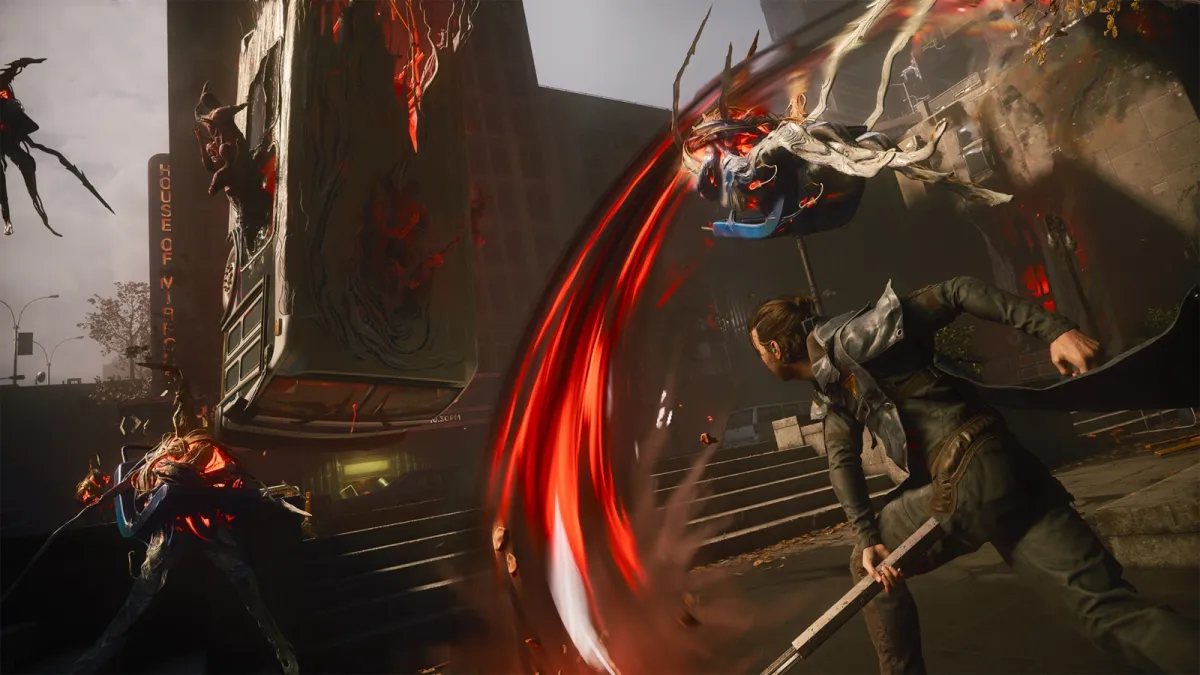
The setup: Manhattan has been distorted into a mind-bending landscape, the Hiss has escaped into the city possessing unprepared civilians, and Jesse has mysteriously abandoned the FBC. Dylan must stabilize reality itself while uncovering what happened.
Storytelling Highs Undermined by Design Friction
Control Resonant’s narrative delivers “surprising and even heartbreaking revelations” alongside “mechanical and visual twists,” according to the review. Side missions showcase thematic variety—from karaoke machine encounters to taxi-filled pocket dimensions and escaped supernatural pets—proving the game can leverage its premise creatively.
However, the reviewer noted significant friction in quest design. While longer mission strings involving secret organizations and abandoned FBC experiments generated excitement, these sit alongside “lesser, repetitive tasks like escorting trapped rangers or fending off enemy waves.” The review states these obligatory additions feel “out of place” in a game with otherwise “well-crafted missions,” though players can largely ignore them without consequence. The larger problem: Control Resonant “doesn’t politely suggest you complete its quests; it sternly demands compliance” for character progression necessary to survive combat encounters.
The world design—identically formatted laundromats, apartment buildings, and cafés—proved engaging enough to explore despite mechanical padding, ultimately reinforcing what made the original Control’s universe compelling: its blend of mundane settings hosting supernatural chaos and bureaucratic absurdity.