




News
RGG Studio prioritizes creative vision over seniority for new project Stranger Than Heaven
The development of RGG Studio’s upcoming historical title, Stranger Than Heaven, is putting a spotlight on how the team behind the Yakuza and Like a Dragon series approaches leadership.
In this article
The development of RGG Studio’s upcoming historical title, Stranger Than Heaven, is putting a spotlight on how the team behind the Yakuza and Like a Dragon series approaches leadership. According to game director Mikinobu Abe, the studio is moving away from traditional reliance on long-standing tenure, opting instead to prioritize creative sensibilities and individual ability when staffing key positions.
A shift in studio philosophy
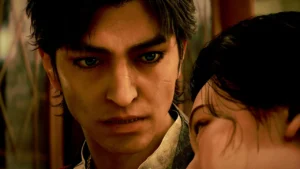
In a profile featured in Edge magazine, Abe discussed his path to directing the new title. While his bilingual skills provided a unique perspective for the game’s protagonist—a half-Japanese, half-American character—he credited studio head Masayoshi Yokoyama’s leadership philosophy for his appointment. “We have a philosophy that age and career length are not deciding factors,” Abe stated. “We make decisions based on each person’s ability and creative sensibility.”
Abe noted that his role wasn’t simply a matter of the studio handing opportunities to a younger generation for the sake of it. Rather, the project necessitated a departure from the established formula of the studio’s previous hits. The team felt that bringing in fresh perspectives was essential to ensure the project delivered something “truly new” rather than leaning on the same experiences that defined the modern-day Yakuza games.
Expanding the scope of RGG
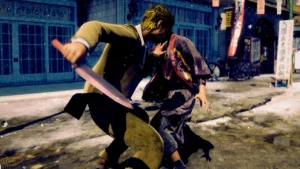
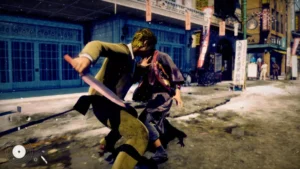
Stranger Than Heaven represents a significant departure for the studio, trading the contemporary, neon-lit urban environments of Like a Dragon for a historical setting that begins in the 1910s. By moving through the 20th century, the game aims for a grittier, more grounded tone. By allowing newer talent to lead this specific vision, the studio is attempting to avoid the creative constraints that might come from repeating the same development cycles that have historically sustained the team.
Why it matters
For players, this shift signals that RGG Studio is looking to evolve its portfolio beyond the familiar mechanics and settings of the Like a Dragon series. By empowering new leadership to shape the project’s direction, the studio is betting that a change in perspective will lead to a more innovative gameplay experience.
Fans should keep an eye on how this shift in leadership philosophy influences the game’s final output, particularly in how it handles historical narrative compared to the studio’s prior work. As development progresses, players can look forward to seeing if this “new” approach successfully creates a distinct identity for Stranger Than Heaven while retaining the high-quality storytelling the studio is known for.