News
Stranger Than Heaven Gamescom Demo Reveals Combat System Spanning Five Decades
Stranger Than Heaven pulled back the curtain at Gamescom with a new gameplay demo showcasing its combat system, multiple time periods, and the 50-year story of protagonist Makoto Daito.
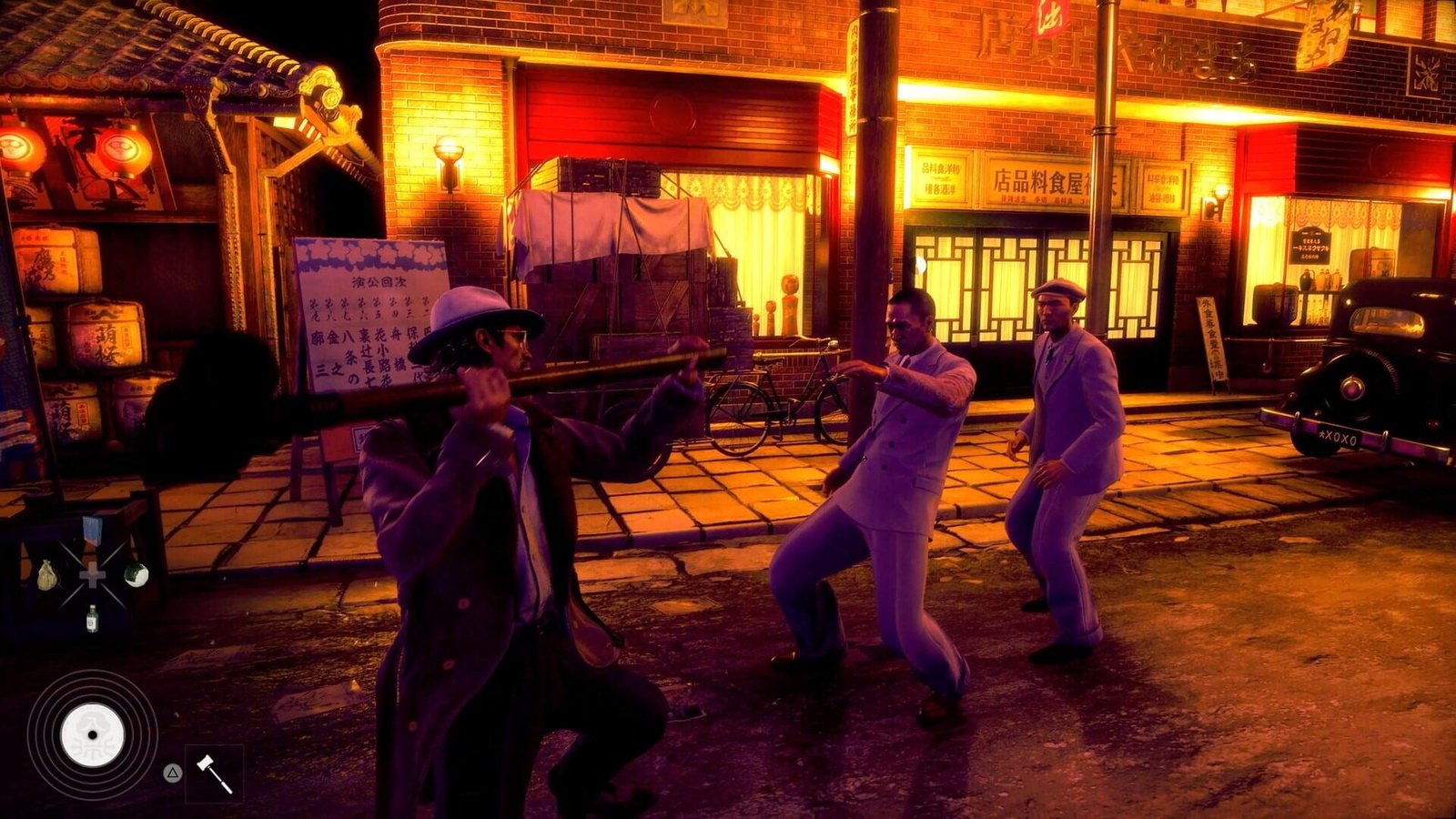
Stranger Than Heaven pulled back the curtain at Gamescom with a new gameplay demo showcasing its combat system, multiple time periods, and the 50-year story of protagonist Makoto Daito. The demo gave players their first substantial look at how the game’s action flows in practice alongside its narrative scope.
What the Gamescom Demo Showed
The gameplay reveal centered on several core pillars of the game’s design. The demo highlighted a newly-revealed combat system that appears central to how players engage with the world. Alongside combat, the demo showcased five distinct eras that players will experience throughout the game, set across five different Japanese cities. The demo also featured music gameplay as a mechanic—suggesting rhythm or audio elements factor into how players interact with the game. Various weapons were on display as part of the combat toolkit players will have access to.
Makoto Daito’s 50-year story forms the narrative backbone, and the demo emphasized the scope of this character’s journey across those five time periods and locations.
Why This Matters
A 50-year protagonist arc is unusual in game design—most games compress character development into a single timeline or a handful of flashbacks. Structuring an entire game around five eras with five separate Japanese city settings suggests Stranger Than Heaven is aiming for something more ambitious with its storytelling. The inclusion of music as a gameplay mechanic rather than just atmosphere indicates the developers are experimenting with how different senses and skills connect to moment-to-moment play, which has worked in games that blend action with rhythm or audio-reactive systems.
The focus on showcasing combat mechanics at Gamescom signals the developers want players to understand that action gameplay is a primary pillar, not secondary to narrative. For studios working on story-driven experiences, this kind of hands-on demo at a major event is typically reserved for systems the team believes will define the player experience.
Japanese settings and multiple time periods also suggest the game may be drawing on Japanese history or culture in ways that span generations, giving the team room to explore how locations and society change across those five eras.
What’s Next
Players who caught the Gamescom demo now have a clearer picture of Stranger Than Heaven’s scope and systems, though the full release remains a question mark. The demo essentially sets expectations for a game that blends action, music mechanics, and a character-driven narrative told across five distinct time periods and locations—an ambitious premise that will need to land smoothly when players get their hands on the full game.