News
Tomb Raider: Legacy of Atlantis aims to revive the series’ roots by ditching modern hand-holding
If you remember the original Tomb Raider as an experience that demanded patience and a keen eye for navigation, you are not alone.

In this article
If you remember the original Tomb Raider as an experience that demanded patience and a keen eye for navigation, you are not alone. The development team behind the upcoming Tomb Raider: Legacy of Atlantis is leaning hard into that retro philosophy, confirming they are consciously pulling back on the “hand-holding” mechanics that have become standard in modern action-adventure games.
The return to exploration
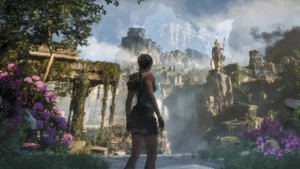
In a recent interview with Edge Magazine, Jeff Adams, experience director at Crystal Dynamics, explained that the core goal for Legacy of Atlantis is to foster a genuine sense of adventure. Rather than ushering players through clearly marked pathways or obvious handholds, the team wants to encourage wandering. “Let’s let you go out there and hunt around, maybe find some stuff that you weren’t expecting to find,” Adams said. “The idea is to be adventurous, go out, explore, get on your own, get lost, then find your way back.”
Balancing nostalgia and realism
Remaking a classic requires a careful balance between preserving iconic memories and modernizing mechanics. Creative director Michael Kuk of Flying Wild Hog notes that the team identifies the “vistas, objects, and moments” that left the strongest impressions on players, ensuring those are kept largely untouched.
However, this focus on modernization has led to some controversial shifts, such as the introduction of a new crafting system. According to Adams, this change was necessitated by a push for higher realism. The team found it difficult to justify finding convenient med-packs hidden in tombs that have been sealed for 10,000 years. Instead, players will now scavenge for materials to craft their own supplies, a shift intended to ground the survival elements within the game world’s narrative.
Why it matters
For players who grew up with the cryptic, puzzle-heavy nature of the 90s entries, this design pivot signifies a shift away from the “cinematic corridor” style of gameplay that has defined many recent action-adventure titles. By removing breadcrumb trails, the game shifts the satisfaction of progress from following prompts to successful navigation and environmental deduction.
While this change will likely delight purists, the inclusion of a crafting system highlights that the game is still attempting to bridge the gap between retro sensibilities and contemporary expectations. Whether these design choices will successfully deliver a challenging experience without becoming frustrating remains to be seen, but fans should prepare for a game that is significantly less interested in leading them by the hand than previous modern iterations.