News
Unauthorized ‘Tweetcraft’ Brings Minecraft-Style Multiplayer to X
A new browser-based project dubbed 'Tweetcraft' is making waves on X, allowing users to play a Minecraft-like game directly within the platform.
In this article
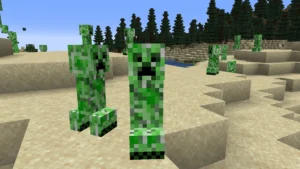
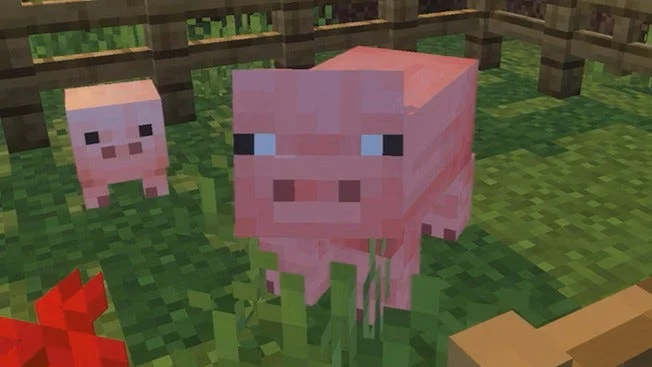
A new browser-based project dubbed ‘Tweetcraft’ is making waves on X, allowing users to play a Minecraft-like game directly within the platform. The project, launched by a user known as jaivin, uses a browser-based engine to host shared worlds that can be linked in social media posts. According to the developer, these worlds support real-time multiplayer sessions, allowing anyone who clicks the link to join the same instance.
Monetization and Controversy
The project has quickly pivoted to monetization, with the creator offering users the ability to purchase in-game sponsorships using cryptocurrency. These sponsorships include options to place ads at the top of a server list, appear on a leaderboard, or feature a logo on in-game elements like the ‘Block Dragon.’ Despite the obvious similarities to Mojang’s block-building phenomenon, the creator claims that the project uses none of the official assets and holds no association with Mojang or Microsoft.
Public reaction has been split, with many users noting the inevitable legal scrutiny the project will face. The launch post has already gained significant traction with over 7.4 million views, sparking a debate on the longevity of AI-powered clones that mimic established franchises. Critics have already pointed out that simply changing the name does little to mitigate potential trademark and copyright infringement claims.
Why it matters
For players, ‘Tweetcraft’ is the latest example of a growing trend where unauthorized, AI-assisted clones are appearing in browsers at an accelerated pace. Similar attempts to bring titles like GTA 5 and Halo to browser-based formats have already faced swift takedowns, suggesting that this project’s lifespan may be short. While these experiments are technically impressive, they exist in a legal grey area that likely won’t be tolerated by copyright holders for long.
This trend poses significant questions for the industry regarding long-term digital protection. As AI tools become more sophisticated, the window between an official game release and the appearance of unauthorized browser-based versions continues to shrink. Players should remain cautious; relying on these unofficial platforms for gameplay or financial transactions—especially those involving cryptocurrency—carries inherent risks, as these servers can be shut down without notice by IP owners.