News
Inside the breakdown: Why EVGA walked away from its Nvidia partnership
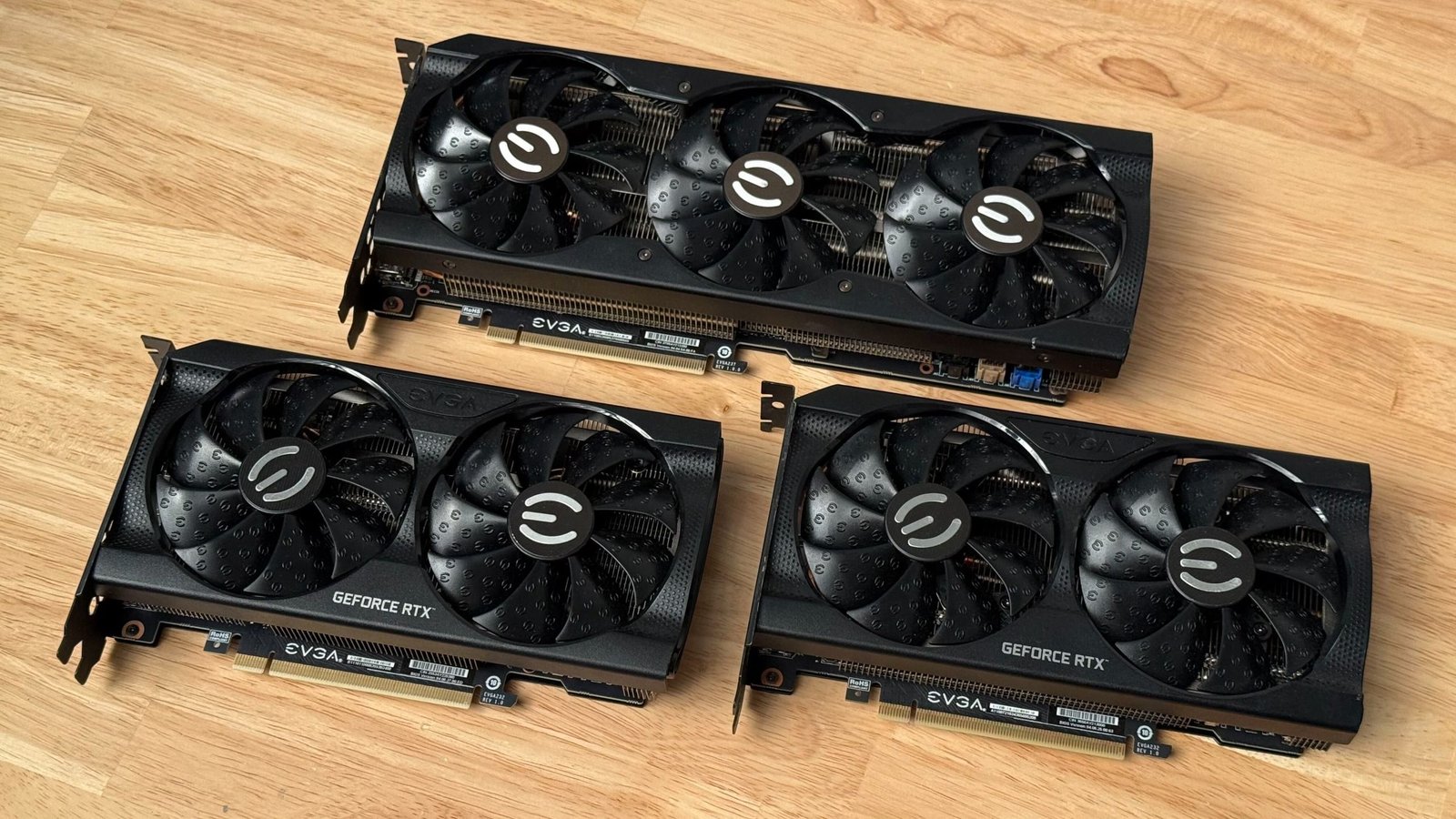
For years, EVGA was a titan of the GPU market, consistently ranked among the most beloved brands by PC enthusiasts.
In this article
For years, EVGA was a titan of the GPU market, consistently ranked among the most beloved brands by PC enthusiasts. However, the company’s sudden exit from the GPU business in 2022 shocked many in the gaming community. A new, detailed account from former EVGA product manager Brendon Ray Hedrick sheds light on the internal pressures and deteriorating relationship with Nvidia that ultimately forced the company to stop manufacturing graphics cards.
The rise of direct competition and pricing mandates
According to Hedrick, the friction began in 2016 with the introduction of Nvidia’s Founders Edition GPUs. Previously, partners like EVGA sold reference designs under their own branding, but Nvidia’s decision to start selling its own cards directly to consumers changed the landscape. This meant that EVGA’s primary chip supplier had effectively become its direct competitor, putting the partner in a difficult position.
Perhaps more damaging were Nvidia’s pricing mandates. Hedrick claims that Nvidia required board partners to sell specific models at an advertised MSRP, even if it meant doing so at a loss. Companies that refused these terms faced reduced chip allocations, effectively forcing partners to produce “loss leader” products just to maintain their supply chains. This created a cycle where the base models were constantly sold out, while more expensive, premium EVGA cards—which featured the company’s own superior cooling and PCB designs—were viewed by customers as overpriced, pushing them to upgrade less frequently.
Technological risks and financial strain
Beyond pricing, Hedrick highlights the stress of Nvidia’s “forward-looking” technological bets, such as the push for real-time ray tracing with the RTX 20-series. While Nvidia had the capital to play the long game, Hedrick questioned whether a lean company like EVGA could survive the transition period while waiting for consumer adoption to catch up with the hardware.
By the time EVGA officially exited the market in 2022, reports suggested that Nvidia GPUs accounted for 78% of EVGA’s revenue but provided very little of its actual profit. Some high-end cards were reportedly losing the company hundreds of dollars per unit sold. While other industry analyses have pointed toward EVGA’s generous customer service policies and manufacturing strategies as contributing factors, Hedrick’s account paints a picture of a partnership that had become unsustainable years before the final exit.
Why it matters
For gamers, the loss of EVGA from the GPU landscape remains a significant cultural and practical blow. Known for its best-in-class customer support and reliable builds, EVGA was a “safe” choice for many PC builders. The situation serves as a stark reminder of the fragile ecosystem between chip designers and the board partners that bring their hardware to life.
Looking forward, this history illustrates why high-end GPU market dynamics are so volatile. For users in the Middle East and globally, the departure of a major partner like EVGA reduced the variety of custom-cooled cards available on shelves, often consolidating market power into fewer brands. It also reinforces the importance of brand loyalty in an industry where manufacturer margins can be razor-thin, leaving even the most respected companies vulnerable to shifting supply agreements.