


News
Why Insomniac’s Persistent ‘Friend-Turned-Villain’ Trope Stumbles in Marvel’s Wolverine
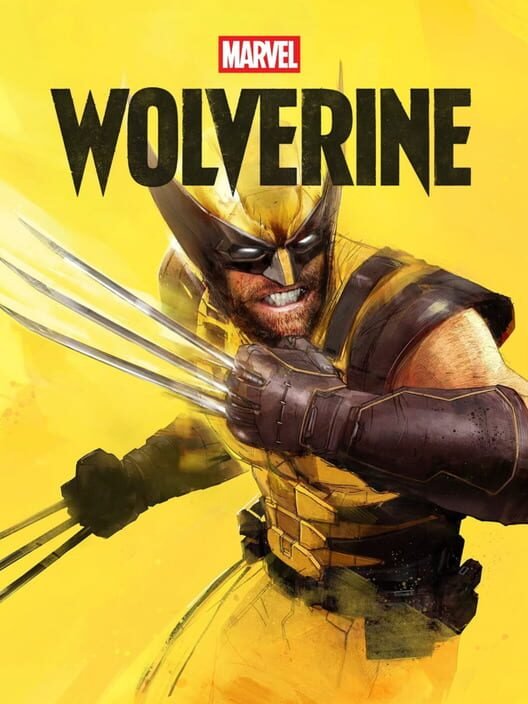
Marvel’s Wolverine has entered the gaming space as the fourth collaboration between Insomniac Games and Marvel.
In this article
Marvel’s Wolverine has entered the gaming space as the fourth collaboration between Insomniac Games and Marvel. While the title has faced a mixed critical reception—notably earning a 6/10 in IGN’s official review—the discourse surrounding the game has highlighted a recurring narrative trend that some fans find increasingly stale: Insomniac’s consistent reliance on the “friend-turned-villain” trope for its primary antagonists.
The Formulaic Approach to Villains
In all four of Insomniac’s Marvel titles, the core conflict is rooted in a personal falling out between the hero and a close former ally. According to an analysis by IGN’s Carlos Morales, this narrative device, which effectively humanized Doctor Octopus in the original Marvel’s Spider-Man, has since been recycled across Miles Morales, Spider-Man 2, and now Wolverine with diminishing returns.
In Wolverine, this approach centers on Nathaniel Essex, the man who would become Mr. Sinister. The game portrays Essex as a mentor and commander of Team X who shares a long history with Logan. The conflict stems from an attempt to frame their ideological drift as a tragic, personal betrayal. However, the game’s depiction of Essex as a crusader for mutant rights for decades before his sudden pivot to an “omnicidal maniac” creates a disconnect. Unlike the established comic book iteration of the character—a cold, calculated scientist driven by eugenics—the game’s version of Essex lacks the consistent character development required to bridge his “heroic” facade and his eventual final-act villainy.
Why it matters
For players, this narrative pattern impacts the emotional stakes of the games. When the emotional weight of a boss fight depends on a shared history that feels forced or inconsistent with established character motivations, the climax often lacks the intended punch. While some players may enjoy the spectacle of the boss battles, the reliance on a singular “betrayal” story structure risks making subsequent entries in Insomniac’s Marvel lineup feel predictable.
Moving forward, players can observe whether the studio pivots away from this specific storytelling framework in future projects like the anticipated Spider-Man 3 or potential X-Men titles. For those invested in Marvel lore, the challenge remains balancing fresh interpretations of iconic villains with the established traits that made those characters compelling in the source material in the first place.