News
Former Capcom Manager Reveals Turbulent Development History of Resident Evil 7
Nearly a decade after the release of Resident Evil 7, a former Capcom manager has pulled back the curtain on the chaotic development cycle that nearly looked very different from the survival horror…
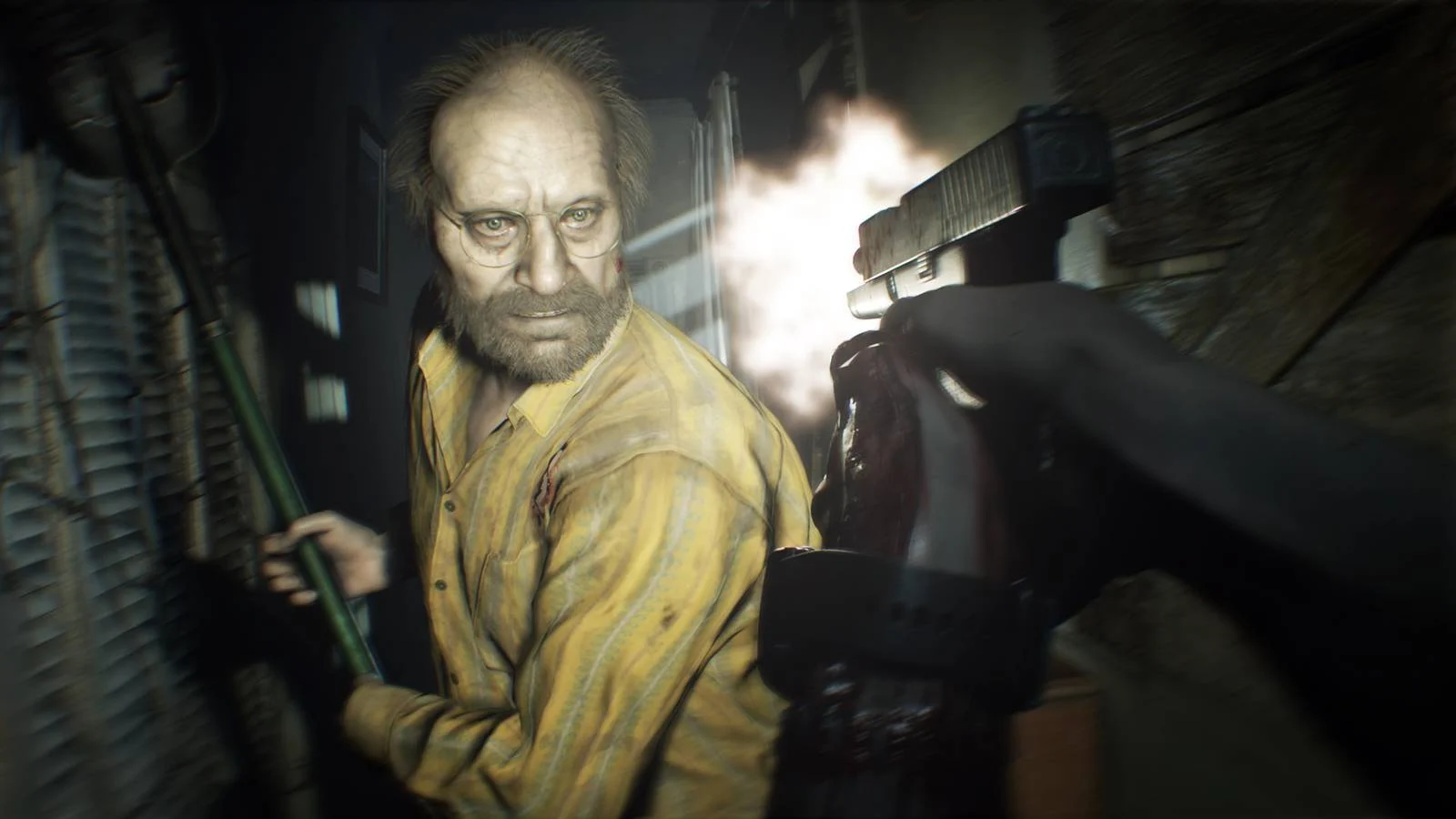
Nearly a decade after the release of Resident Evil 7, a former Capcom manager has pulled back the curtain on the chaotic development cycle that nearly looked very different from the survival horror hit fans know today. In a detailed social media thread, Miguel Corti revealed that the project began as a direct, lore-heavy continuation of the widely criticized Resident Evil 6 before undergoing a complete overhaul.
From direct sequel to soft reboot
According to reporting by Polygon, the initial vision for the seventh mainline entry focused on bringing back series staples like Leon Kennedy, Jill Valentine, and Rebecca Chambers to address the narrative threads left dangling by its predecessor. Despite the poor critical reception of Resident Evil 6, management was initially satisfied with its strong commercial performance, leading developers to look toward Naughty Dog’s The Last of Us for inspiration on how to shift toward a more narrative-focused, critically acclaimed single-player experience. The team eventually hit a creative wall, which resulted in a company-wide reorganization and a mandate to restart development from scratch.
Challenges of the final vision
Following the reset, the team shifted the series to a first-person perspective to align with industry trends at the time. This phase introduced the Baker family and the isolated house setting. Corti notes that while this version stuck, it suffered from internal inconsistencies. Specifically, the dynamic between protagonists Ethan and Mia was an attempt to replicate the emotional impact of Joel losing his daughter in The Last of Us. Corti argues that the lack of player connection to Mia was eventually papered over by shoehorning in ties to the wider Umbrella Corporation lore.
While the team pushed hard to salvage the project despite known flaws, the game initially underperformed against Capcom’s internal sales expectations. It wasn’t until the years following its launch that it became a consistent top seller for the company.
Why it matters
For players, this insight offers a rare look at how “miracle” titles often survive internal turmoil and identity crises. Understanding that the narrative “cohesion” issues in Resident Evil 7 were a byproduct of last-minute pivots helps explain the stark departure in tone compared to previous entries.
Ultimately, this history serves as a reminder that major franchise pivots are rarely smooth. Players should keep this in mind when following long-term development cycles for their favorite series, as the final product is often the result of several discarded concepts and significant internal friction rather than a singular, clear-cut vision.