News
Phantom Blade Zero: A 15-Year Evolution from Indie Roots to Triple-A Ambition
After years of development and multiple hands-on previews, the upcoming action-RPG Phantom Blade Zero is nearing its full release.
In this article
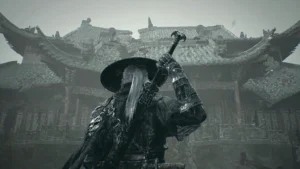
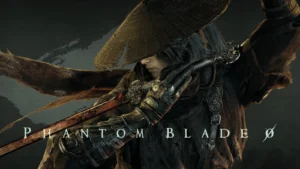
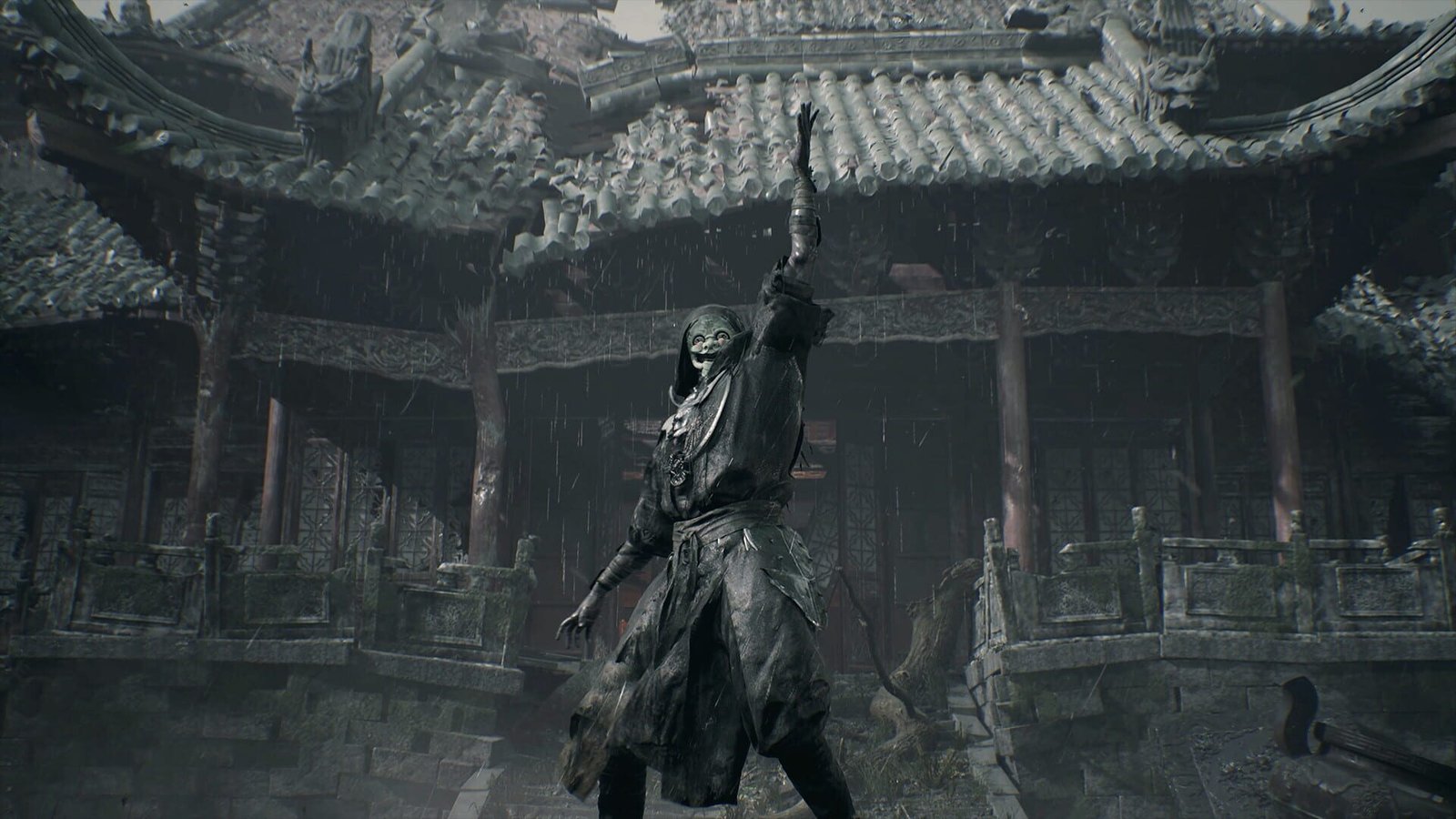
After years of development and multiple hands-on previews, the upcoming action-RPG Phantom Blade Zero is nearing its full release, according to a hands-on preview by Kotaku. While the game represents a massive leap in scope for developer S-Game, its roots trace back over 15 years to the ‘Rainblood’ series. Created by CEO Qiwei “Soulframe” Liang, the franchise began with humble, turn-based RPG-Maker titles in 2010 before evolving into the 3D, high-fidelity experience players see today.
The Shift in Scale and Style
Following years of smaller-scale projects and China-exclusive mobile releases, S-Game’s fortunes changed significantly with a substantial financing round from Tencent. The financing, which CEO Soulframe described in a 2021 open letter as being “on the scale of hundreds of millions of dollars”, was specifically earmarked for the development of two large-scale action RPGs, the first of which is Phantom Blade Zero. This influx of resources has allowed the team to move away from the unpolished aesthetics of their early work to create a production that features martial arts choreography expertise from Donnie Yen and stuntman Kenji Tanigaki.
Combat Mechanics and World Design
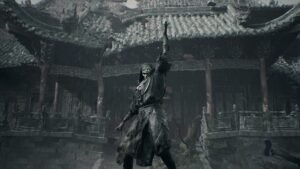
In Kotaku’s hands-on, Phantom Blade Zero distinguishes itself from the current trend of Souls-like games. The combat system favors a hybrid of Sekiro’s stagger-focused parrying and the fast-paced, stylish action typical of the Devil May Cry series. Notably, the game moves away from a traditional stamina-heavy loop; players can chain attacks without stamina penalty, with resources only depleting when dodging or managing specific block types.
The world design, however, remains deeply influenced by the Souls-like genre, featuring an interconnected map inspired by the first Dark Souls. Players navigate a dark, decaying version of the Ming Dynasty, relying on abstract, hand-painted ink-wash maps rather than modern mini-maps.
Why it matters
For players, Phantom Blade Zero represents a high-stakes experiment in balancing traditional wuxia storytelling with a modern, high-budget combat engine. The inclusion of a unique difficulty mode—which ties the protagonist’s ticking-clock narrative to actual death penalties—is a standout mechanic, though it currently sits behind a hard-mode gate that many casual players might overlook.
While the game aims to provide a cohesive, fast-paced action experience, the transition from an indie-style passion project to a triple-A production leaves questions about whether the original charm of the Rainblood series will remain intact. As the release approaches, players should keep an eye on how the final build handles the pacing between its frenetic combat encounters and the more deliberate, pattern-focused boss fights that define its current gameplay loop.
Updated to correct details.