News
Report suggests Gears of War: E-Day had $500 million development budget
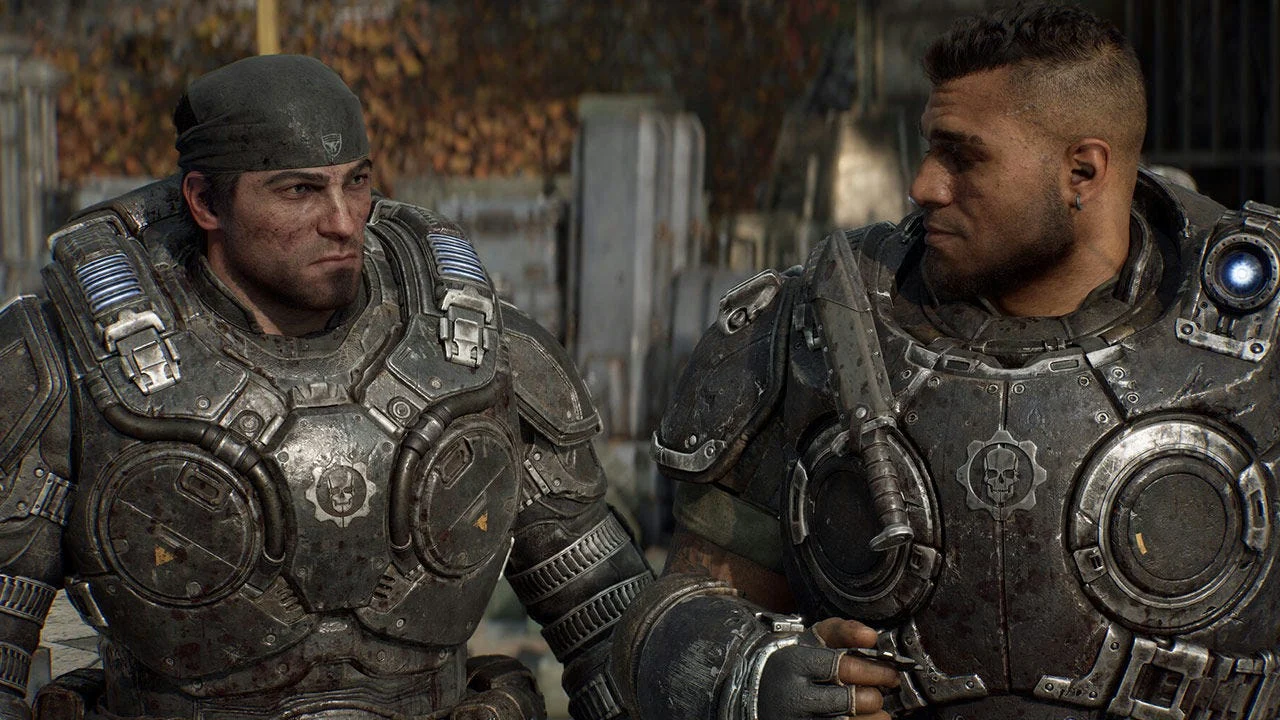
Recent reports have brought the commercial performance and production costs of Gears of War: E-Day under scrutiny, with allegations that the title incurred a massive $500 million development budget.
In this article
Recent reports have brought the commercial performance and production costs of Gears of War: E-Day under scrutiny, with allegations that the title incurred a massive $500 million development budget. As reported by IGN, the figures surface amid claims that the game has sold just over 400,000 copies since its launch on Xbox Series X/S and PC.
Bloomberg reporter Jason Schreier confirmed the $500 million development cost in a recent video, noting that such figures are becoming standard for AAA projects in North America. This budget estimate, which does not include marketing costs, positions E-Day as one of the most expensive video games ever produced. For comparison, internal documents from previous legal proceedings revealed that titles like The Last of Us: Part II and Horizon Forbidden West cost over $200 million each to develop, while Activision’s Call of Duty: Black Ops Cold War reportedly required $700 million over its entire life cycle.
The sales and studio landscape
Reports on the game’s commercial impact are mixed. While analysts such as Rhys Elliott of Alinea Analytics noted that the game likely provided a boost to Xbox Game Pass subscriptions, the traditional copy sales remain low for a franchise of this size. The current situation coincides with a period of significant restructuring at Microsoft.
Internal sources speaking to Eurogamer indicated that there is apprehension within The Coalition regarding potential layoffs, despite studio head Mike Crump previously stating that the studio’s metrics for success involve pushing hardware limits and showcasing the Xbox platform. Microsoft has not officially responded to inquiries regarding the game’s specific budget or sales figures.
Why it matters
For players, this news highlights the increasing financial pressure placed on major franchises and the developers behind them. With such high development costs, the industry is shifting toward a focus on risk-averse, established intellectual properties, which may impact the types of games greenlit for the future. The conversation around E-Day’s performance underscores the complex trade-off between traditional retail sales and the value of inclusion in the Xbox Game Pass library.
Players should watch for how Microsoft continues to balance the high production costs of its flagship titles against the requirements of its subscription services. As the studio continues its work, the focus remains on whether these massive investments can yield the long-term engagement necessary to satisfy current corporate strategy.