





News
A Plague Tale Goes Greek: Asobo Studio Explains How Resonance Breaks the Formula
Resonance: A Plague Tale Legacy marks a significant departure for Asobo Studio. The new game jumps back in time to make Sophia the protagonist, trades the series' signature stealth focus for action-oriented combat, and trades medieval Europe for an island setting rooted in…
In this article
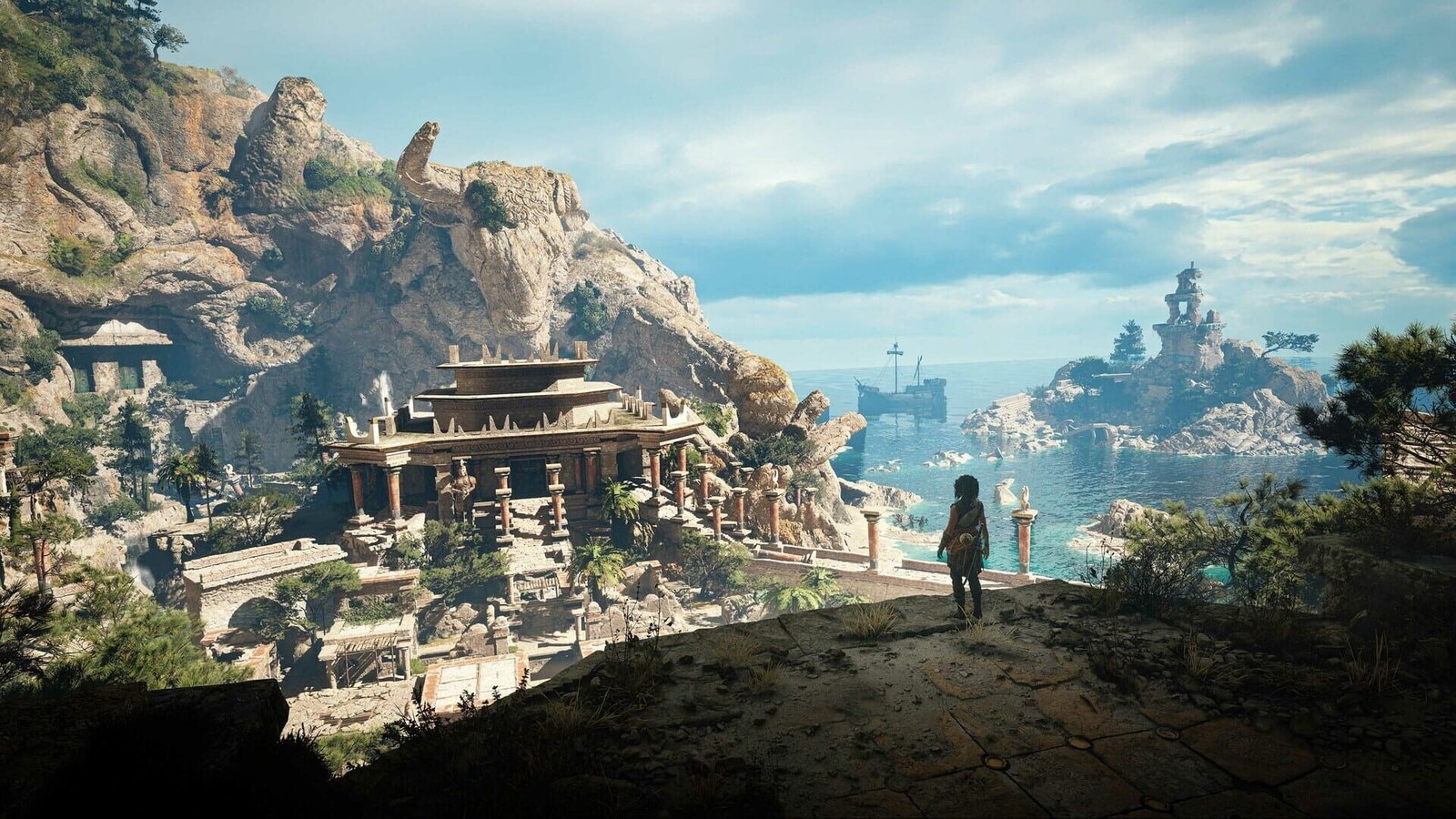
Resonance: A Plague Tale Legacy marks a significant departure for Asobo Studio. The new game jumps back in time to make Sophia the protagonist, trades the series’ signature stealth focus for action-oriented combat, and trades medieval Europe for an island setting rooted in Greek mythology—all while the developers insist the emotional core of A Plague Tale remains intact.
What Asobo Is Actually Changing
At Gamescom 2026, lead game writer Carol-Ann Bañuls and lead level designer Valérian Robert sat down to discuss the overhaul. The most obvious shift is gameplay: Resonance introduces a new combat system that the team explored deliberately because, as Robert put it, they didn’t want to make “another Plague Tale that was really the same as Requiem.” The developers drew inspiration from AAA action titles like Ghost of Tsushima, Tomb Raider, Assassin’s Creed, and Uncharted when designing Sophia’s combat toolkit.
The mythology element wasn’t arbitrary either. Bañuls explained that Greek mythology was chosen as an interpretive lens—not an adaptation of the actual myths. “We took the myth itself and tweaked it for narrative purposes,” Robert said, mirroring how the original games took historical plague and added their own narrative spin. The team positioned Resonance as a standalone entry: players won’t need experience with Innocence or Requiem to jump in.
Designing Sophia as a stronger, more aggressive protagonist required careful balance. Robert acknowledged the challenge of giving her combat tools without eliminating the sense of danger the series built over two games. The answer, according to Bañuls, was repositioning fear rather than removing it. “The fear is still there; it’s just somewhere else,” she said.
What Stays A Plague Tale
Despite the mechanical overhaul, certain elements remain deliberate throughlines. Resonance keeps the stealth gameplay from Requiem, emotional storytelling at its narrative core, a dark tone, and—yes—plague itself. Sophia’s character connects directly to the series’ lore while functioning as a fresh entry point for new players. The developers emphasized that story, character beats, and that signature dark atmosphere remain foundational to what makes a Plague Tale game, even as the island setting and combat systems diverge sharply.
When asked whether Amicia and Hugo’s story is finished after Requiem’s ending, Bañuls was diplomatic: the team wanted to respect the emotional conclusion they’d reached, but declined to rule out future stories for those characters. The “Legacy” subtitle itself signals intent—Robert hinted it might represent a framework for telling different stories across different eras and characters, though he stopped short of confirming a larger plan.
What Comes Next
Resonance: A Plague Tale Legacy will test whether audiences accept a tonal and mechanical pivot within a franchise they’ve grown attached to. The team’s confidence in Sophia as a character and their measured approach to blending action with series identity suggests they’re banking on the emotional foundation mattering more than mechanical consistency. Players will ultimately decide whether the new formula honors the DNA or dilutes it.