




News
Resonance: A Plague Tale Legacy Review – Prequel Swings for Action Over Stealth, Lands Partway
Asobo Studio's Resonance: A Plague Tale Legacy lets players explore young Sophia's backstory 15 years before the events of the original game, but the shift from stealth-puzzle gameplay to action-heavy combat doesn't always work in the studio's favor. What Asobo Is Doing…
In this article
Asobo Studio’s Resonance: A Plague Tale Legacy lets players explore young Sophia’s backstory 15 years before the events of the original game, but the shift from stealth-puzzle gameplay to action-heavy combat doesn’t always work in the studio’s favor.
What Asobo Is Doing Differently
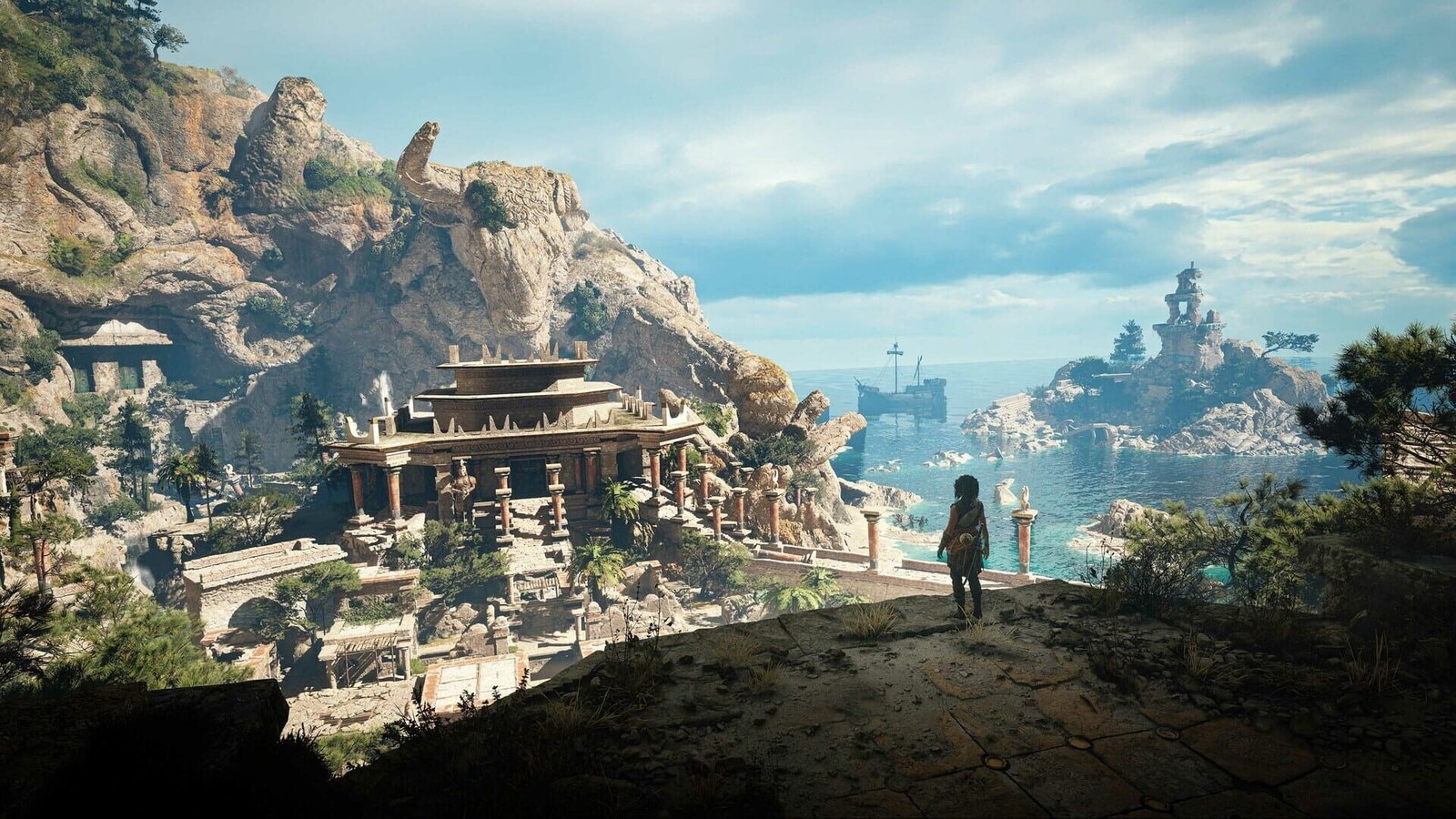
Resonance scales back the scope compared to previous Plague Tale entries. Instead of following Amicia and Hugo’s journey across Europe in 2022’s Requiem, this prequel focuses entirely on Minotaur’s Island—a single location that serves as both the physical setting and thematic anchor for Sophia’s personal story. The game opens with Sophia as a young pirate crew member whose father vanishes during an expedition to the island. Years later, plagued by visions of the island itself, adult Sophia returns seeking answers about what happened to him and the island’s mysterious history.
The core gameplay split between combat and environmental puzzle-solving still exists, but the balance has shifted. At least two of Resonance’s 14 chapters dedicate themselves entirely to exploration and puzzle-solving, with Sophia consulting her father’s handbook to unlock areas and uncover secrets. These hub-like sections let players soak in the island’s atmosphere while solving mirror and lens-based environmental puzzles. However, most of the adventure emphasizes third-person combat encounters where Sophia engages enemies directly rather than avoiding them.
Sophia comes equipped with a grapple hook that can pull enemies off ledges or drag them closer, plus the ability to grab nearby items as makeshift weapons. Combat follows the standard dodge-parry-attack loop familiar to modern action games, but the implementation feels uninspired. Sophia remains fragile—three hits will eliminate her regardless of equipped charms or blades—which discourages aggressive play. Late-game chapters introduce new enemy types that force players to rethink combat strategy and integrate light mechanics in fresh ways, finally injecting some excitement into encounters. Unfortunately, the final villain battle stretches across multiple chapters with an extended stealth sequence that overstays its welcome.
Why This Matters for the Franchise
A Plague Tale built its reputation on atmospheric stealth-puzzle gameplay set against historical backdrops. The franchise succeeded by making players feel vulnerable and encouraging methodical, careful exploration. By pivoting Resonance toward action combat, Asobo is attempting to broaden appeal to players who prefer direct confrontation over sneaking. The risk is that this shift dilutes what made the original games distinctive.
The prequel structure itself serves a purpose beyond nostalgia—expanding Sophia’s character arc informs her future story within the larger Plague Tale world. A smaller, more introspective narrative focused on one location and one character’s personal history contrasts sharply with the epic continental scope of previous entries, potentially signaling how the studio intends to evolve the franchise.
What’s Next
Resonance: A Plague Tale Legacy offers a worthwhile adventure and occasionally flirts with excellent storytelling, but the identity crisis between action and exploration leaves it as the weaker entry in the franchise. Players seeking the atmospheric puzzle-solving that defined earlier games may find themselves wishing for more of those rare chapters dedicated to pure exploration and environmental storytelling.