News
Bringing Azeroth to the Tabletop: Exploring the Freedom of the World of Warcraft D&D Crossover
World of Warcraft has defined the fantasy landscape for over two decades, but the rigid constraints of a video game often limit how players interact with Azeroth.
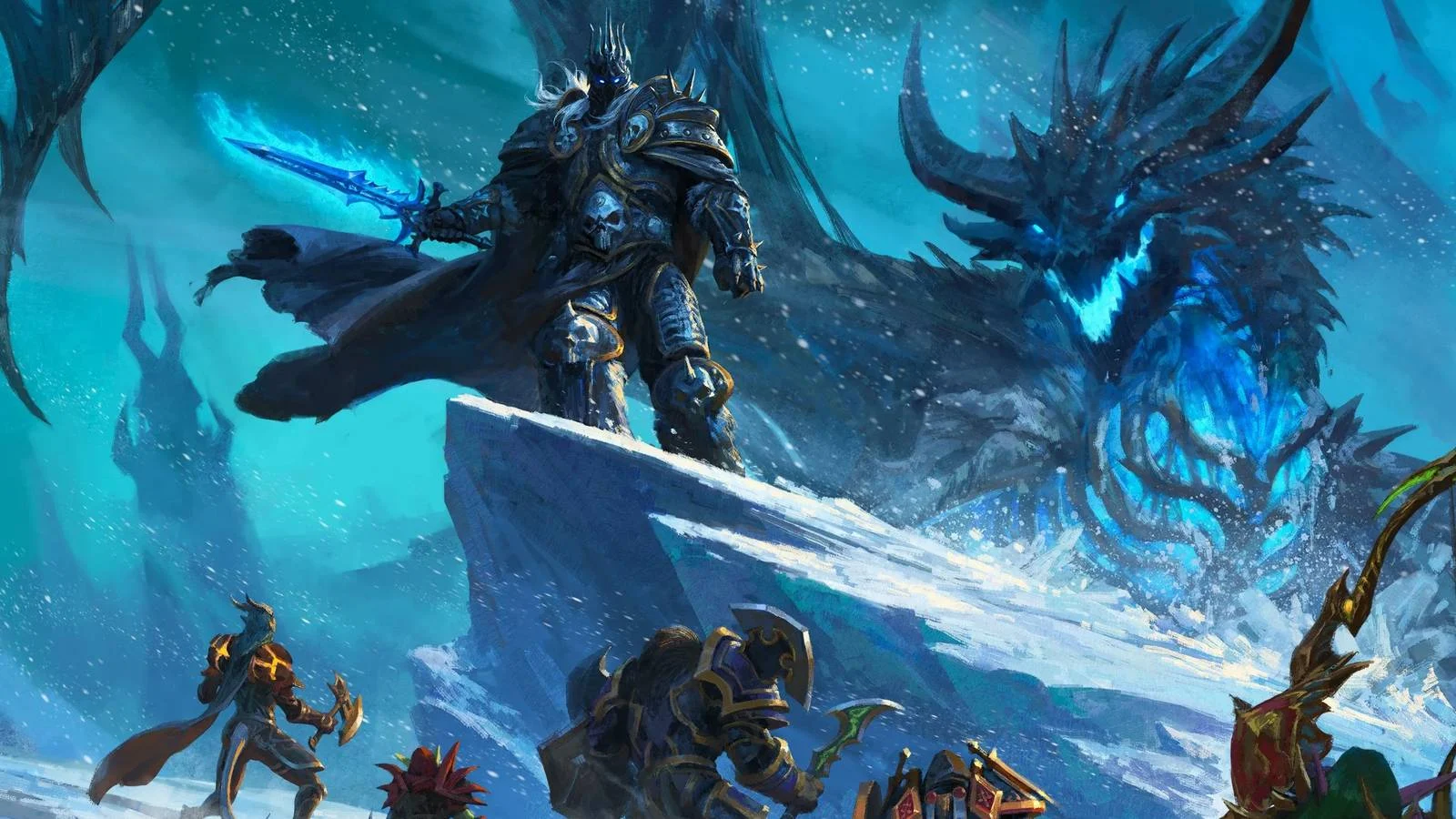
World of Warcraft has defined the fantasy landscape for over two decades, but the rigid constraints of a video game often limit how players interact with Azeroth. A new approach to the setting is arriving via the D&D: World of Warcraft tabletop RPG, which Game Rant reports entered early access on November 3, with a full release slated for November 17, 2026. This crossover shifts the focus from following pre-scripted MMO quests to the collaborative, reactive storytelling inherent in tabletop roleplaying.
Content and Design
The crossover translates key elements of the MMO into a tabletop format. According to the source, the material features rules for all 13 MMO classes, 16 playable species, and seven reimagined dungeons, including iconic locations like Scarlet Monastery and Onyxia’s Lair. Beyond basic combat, the system introduces mechanics for stealth and negotiation, allowing parties to approach classic encounters—such as those with the Defias Brotherhood in Deadmines—in ways that aren’t possible within the traditional MMO environment.
Project lead James Wyatt emphasizes that tabletop play allows for a level of improvisation that video games cannot accommodate. By moving away from fixed dialogue trees, Dungeon Masters can react to player choices in real time, whether that involves challenging the premise of a quest or forming unconventional alliances. The inclusion of 23 factions with specific renown rewards further complicates this, as PC Gamer noted in its preview that backing one group can create friction with others, providing a mechanical backbone for political consequence.
Expanding the Timeline
The crossover also offers freedom regarding when these stories take place. Wyatt notes that the sourcebook covers conflicts from various eras of Warcraft history, allowing groups to explore the lead-up to major events or potentially alter outcomes that are immutable in the MMO version. While this does not constitute an official shift in canon, it provides a playground for players to insert their own characters into the established lore of Azeroth.
Why it matters
For players, this tabletop iteration represents a shift from being a spectator in a pre-written narrative to an active participant in an improvised one. While it cannot replicate the scale of a live MMO raid, it offers a venue for fans to explore personal narratives and moral choices that the game engine does not support. It is an opportunity to experiment with the lore at a granular level, where the individual actions of a player character can have tangible, localized impacts on the world and its NPCs.
As the crossover moves toward its wider release in 2026, those interested in tabletop play will need to watch for how these mechanics facilitate long-term campaigns compared to the shorter sessions typical of individual dungeon runs.