News
Epic Games Pushes Internal AI Pivot Following Delay of Disney Crossover Shooter
Epic Games is reportedly pivoting its development strategy toward 'AI-accelerated' workflows following internal delays to an unannounced shooter featuring Star Wars and Marvel characters.
In this article
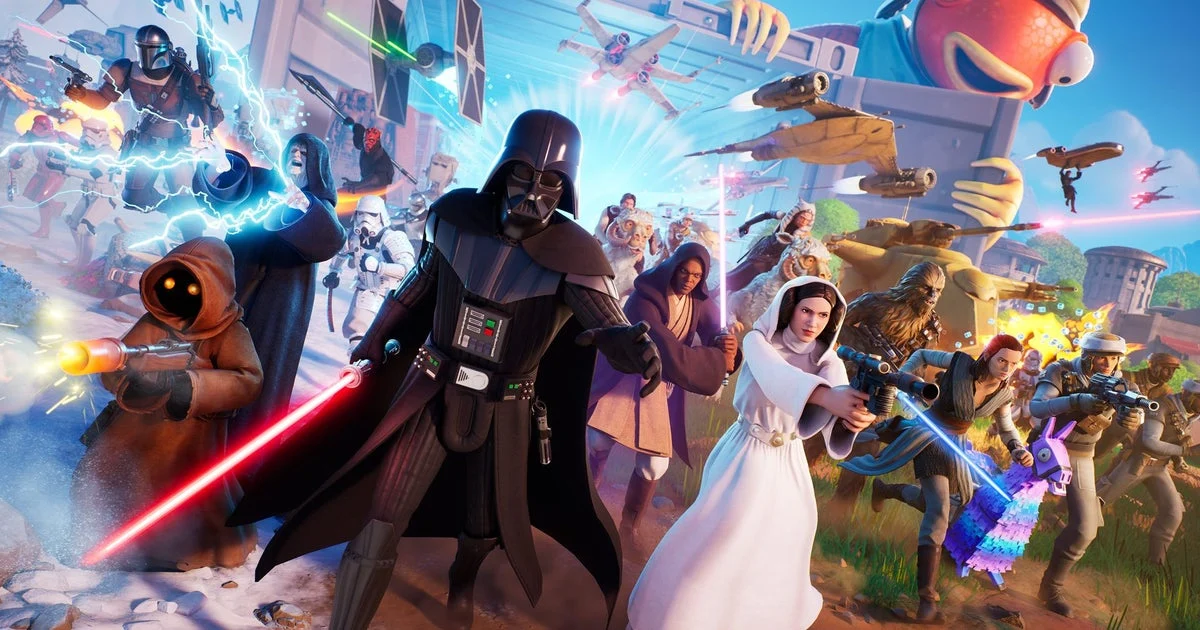
Epic Games is reportedly pivoting its development strategy toward ‘AI-accelerated’ workflows following internal delays to an unannounced shooter featuring Star Wars and Marvel characters. As reported by Eurogamer via a Bloomberg report, the project—a major collaboration between Epic and Disney—has shifted its production pipeline to rely heavily on generative AI tools.
The AI-First Pivot
Sources familiar with the unannounced project indicate that the game, which was originally slated for a March 2027 release, has hit development hurdles. In response, Epic has instructed staff to utilize tools such as Anthropic’s Claude to complete production. Internal communications cited by Bloomberg suggest a shift toward ‘AI-first’ workflows, with one director reportedly telling staff there would be ‘no more hand-written code’ and that artwork should be created using full AI processes.
In a statement provided to Bloomberg, Epic communications director Jake Jones confirmed the company is ’embracing AI-accelerated development,’ while CEO Tim Sweeney stated on social media that the company is undergoing a ‘huge pivot’ to retool for maximum AI acceleration. Sweeney emphasized that the goal is not to reduce headcount, but to enable developers to ‘build more and better stuff.’
Collaboration and Context
This shooter is part of a larger, long-term partnership between Epic and The Walt Disney Company, which included a $1.5 billion investment in Epic aimed at building a shared ‘games and entertainment universe’ linked to Fortnite. This latest shift in development strategy comes roughly a year after Epic Games underwent significant restructuring, which included the layoff of over 1,000 employees.
Why it matters
For players, this shift represents a significant change in how one of the industry’s biggest studios approaches game creation. While Epic claims this technology will lead to ‘better’ content, the push toward ‘no more hand-written code’ marks a departure from traditional AAA development practices. Players should keep a close eye on the output of this project to see how these AI-heavy workflows impact the final quality, polish, and gameplay feel of a title featuring some of the world’s most popular intellectual properties.
Beyond the specific game, this indicates a broader corporate strategy at Epic to integrate generative AI across all levels of development. As these tools become more prevalent, it remains to be seen how they will influence the games we play and the industry standards for upcoming releases across all major platforms.