News
Gears of War: E-Day pushes Xbox Series S limits with new memory management tech
The Coalition has revealed a technical breakthrough in Gears of War: E-Day that could set a new standard for how developers handle memory constraints on the Xbox Series S.
In this article
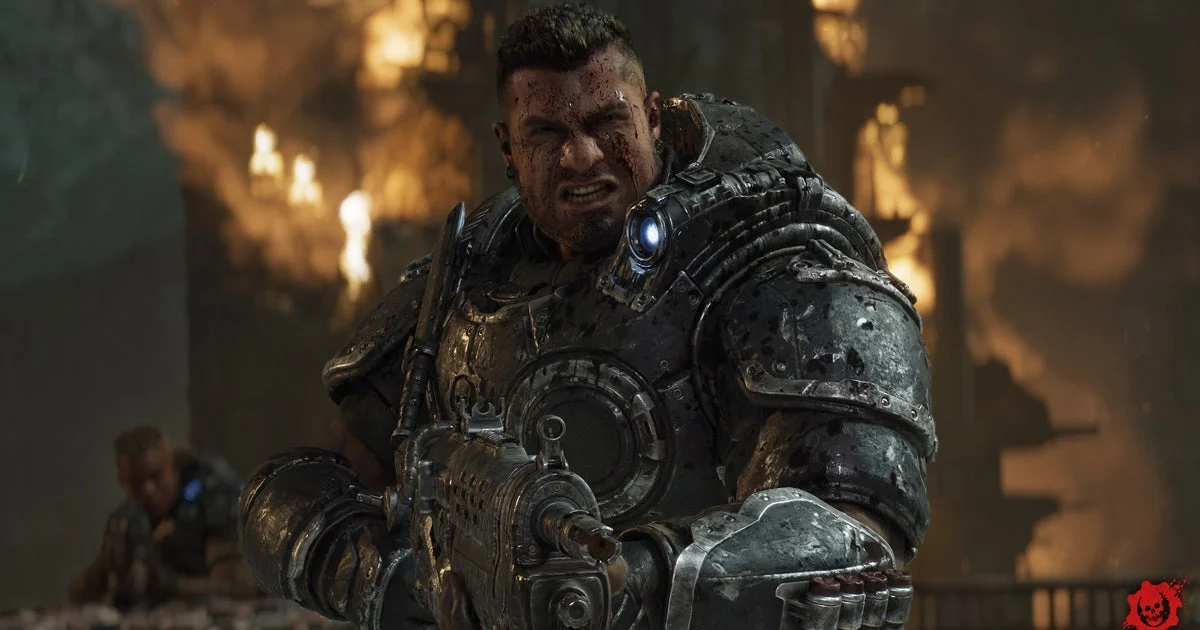
The Coalition has revealed a technical breakthrough in Gears of War: E-Day that could set a new standard for how developers handle memory constraints on the Xbox Series S. As a first-party title, the game faces the difficult task of maintaining high visual fidelity and performance on the Series S, a console that often struggles with its 10GB of GDDR6 RAM when running modern, dense, and detail-heavy environments.
The Tech Behind the Scenes
To circumvent these hardware limitations, The Coalition collaborated with Xbox’s Advanced Technology Group to utilize the console’s ultra-fast NVMe SSD as a second tier of system memory. By leveraging advanced heuristics to analyze data access patterns, the game engine can identify idle assets and move them from the primary RAM to the SSD, effectively freeing up about a gigabyte of usable system memory. When the game requires those assets again, it seamlessly swaps them back. While NVMe drives are inherently slower than dedicated RAM, this clever swapping system ensures that frequently accessed, mission-critical data remains in the primary memory for smooth gameplay.
Beyond Gears: Improving Future Titles
This innovation arrives at a critical point in the console generation as developers prepare for upcoming massive titles like GTA 6 and Fable. While swapping data between storage and memory isn’t a new concept in computing—Apple has long utilized similar memory management on Mac devices—applying this specifically to the unique architecture of the Series S is a significant development. If successful, this method could become a blueprint for other studios looking to squeeze more power out of the Series S without compromising on the scale or quality of their games.
Why it matters
For players, this development signals that the Xbox Series S may have more longevity than skeptics originally anticipated. If this technology is successfully implemented across other AAA titles, it could mean the difference between downgraded, compromised experiences and games that run closer to the vision intended by their creators. It is a promising sign that clever software engineering can continue to bridge hardware gaps as the current console generation extends.
However, the technical achievement at The Coalition is currently shadowed by industry concerns. While the studio continues to refine the engine, including advanced upgrades to gore and dismemberment mechanics meant to reinvigorate the series’ iconic violence, staff members have expressed uncertainty regarding their future amidst ongoing restructuring within Microsoft’s gaming division. Players should keep an eye on whether these technical advancements become a standard “middleware” solution for the Xbox platform or if they remain a unique, custom solution confined to The Coalition’s proprietary tech.