News
Metro 2039’s Gamescom Trailer Pushes Graphics to Photorealistic Limits
4A Games has unveiled a new gameplay trailer for Metro 2039 at Gamescom 2026, revealing near-photorealistic visuals that will demand serious GPU power even from top-tier hardware.
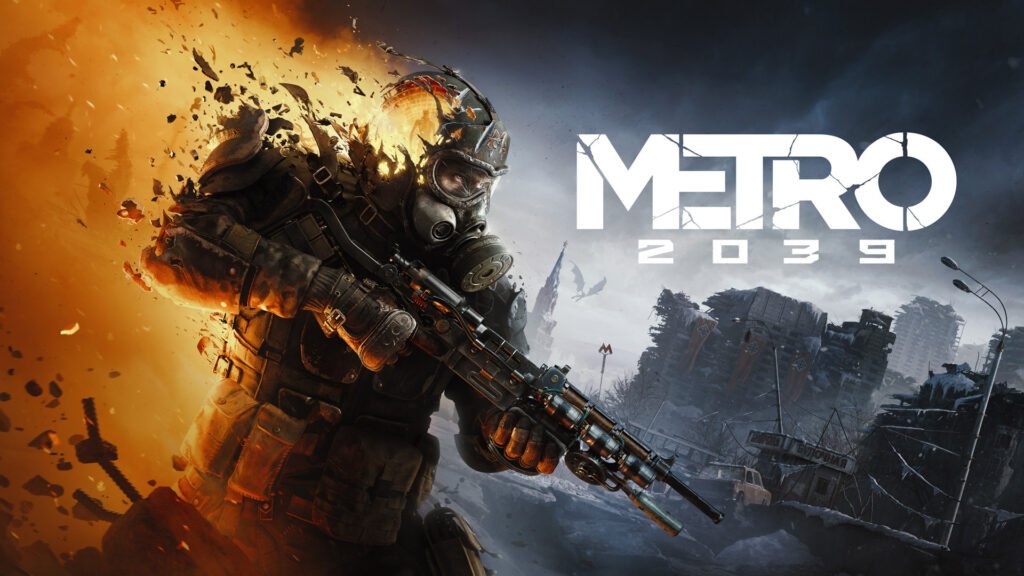
4A Games has unveiled a new gameplay trailer for Metro 2039 at Gamescom 2026, revealing near-photorealistic visuals that will demand serious GPU power even from top-tier hardware. The footage showcases a substantial visual leap for the series, with intensive detail in lighting, textures, shadows, reflections, and outdoor environments that border on photorealism.
What the Gamescom Footage Shows
The Metro 2039 gameplay trailer reveals significant graphical advancements across multiple visual systems. The outdoor environments in particular demonstrate near-photorealistic fidelity, alongside advanced lighting, textures, shadows, and reflections throughout the game world. Digital Foundry’s early analysis of the footage noted the game is targeting 30fps with dynamic resolution scaling, indicating heavy GPU demands and emphasizing that optimization will be critical to performance.
Why It Matters
4A Games has a track record of releasing graphically demanding titles. Metro Last Light and Metro Exodus both pushed PC hardware to its limits upon release, establishing the franchise as a benchmark for visual quality and performance intensity. That demanding DNA continues with Metro 2039. While the game is designed as a console title and will technically run on average PC hardware, the real question for PC players is what specs will be needed to experience the game at maximum graphical settings.
The emphasis on photorealistic outdoor environments creates particular GPU strain—that level of fidelity typically requires substantial rendering power. Combined with Digital Foundry’s observation of a 30fps target and dynamic resolution scaling, it’s clear 4A is building something visually ambitious but aware of real-world hardware constraints.
For PC gamers considering upgrades, the current hardware market presents an additional challenge. GPU prices remain elevated due to AI workload demand redirecting stock away from consumer channels, making mid-tier and enthusiast upgrades financially painful. Metro 2039 could emerge as a new performance ceiling for systems in the mid-range category, potentially frustrating players who can’t upgrade without serious expense.
The Metro series has historically served as a visual showcase and a stress test for gaming rigs. This positioning—as both artistic achievement and hardware benchmark—is core to the franchise’s identity.
What’s Next
Metro 2039 is scheduled to launch in February 2027. Players and enthusiasts will want to keep an eye on detailed performance benchmarks closer to release, which should clarify what hardware tiers deliver playable frame rates at various graphical settings. The conversation around optimization and real-world performance on current consumer hardware will likely intensify in the months ahead.