News
NIS President: Game-Key Cards Performing Comparably to Traditional Physical Releases
NIS president Kenzo Saruhashi says Switch 2 Game-Key Card releases sell about the same as full physical copies, a boost for the cheaper format.
In this article
NIS president Kenzo Saruhashi says the company sees no sales difference between its Nintendo Switch 2 Game-Key Card releases and traditional physical copies. “Currently, we don’t see a difference in the sales between them,” he told RPG Site in an interview at PAX West 2026, adding a publisher data point to one of the most debated parts of the Switch 2’s physical media strategy.
How Game-Key Cards work
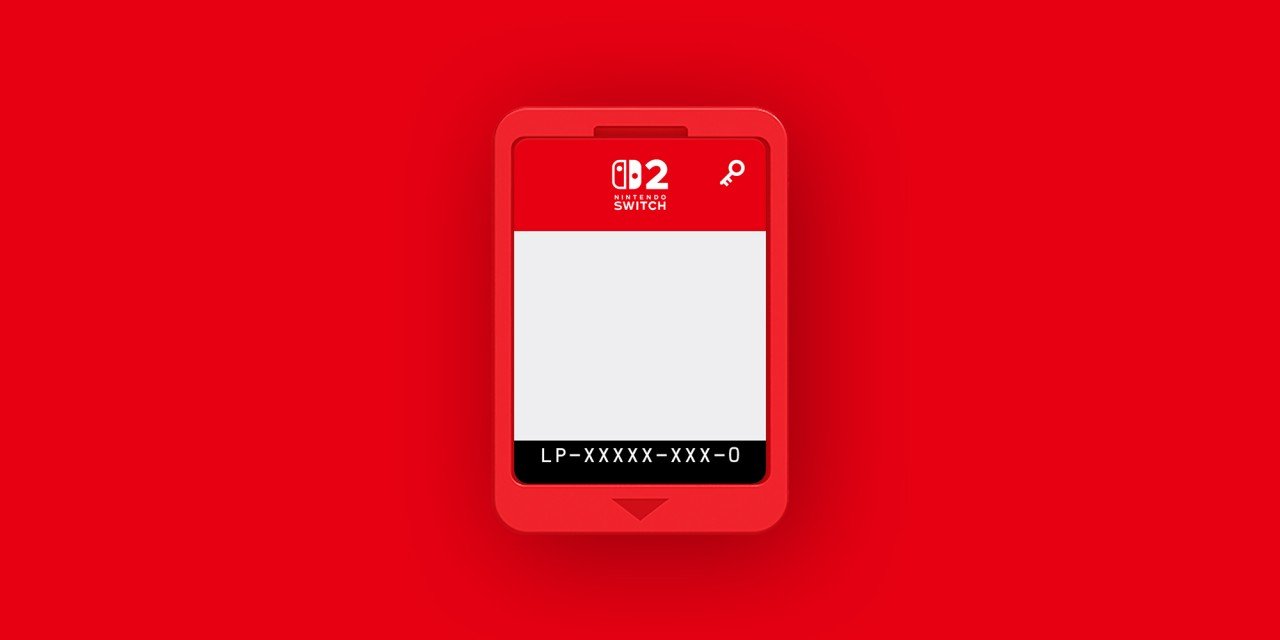
A Game-Key Card looks like a normal Switch 2 cartridge and sits in a normal retail box, but it does not contain the full game. Instead, it acts as a key. When you insert it for the first time, the console downloads the game data from the internet. After that, the card must be inserted each time you want to play, just like a standard cartridge.
Because the card is the licence, it can still be lent, traded or resold, unlike a digital purchase. What it does not offer is offline installation from the cartridge itself, which is what many physical collectors value most.
Why publishers use them
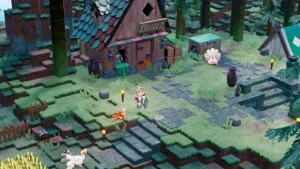
Full-capacity cartridges are expensive to manufacture, especially for large games. Game-Key Cards let publishers put a boxed product on store shelves at lower production cost, and third-party developers have openly supported the format for that reason. NIS has used it for Switch 2 releases such as The Legend of Heroes: Trails beyond the Horizon.
Pros and cons for buyers
The advantages are real. You get a physical item that can be resold or shared, you can often buy it at retail discounts that do not apply to the eShop, and the card still works as a key years later as long as the download remains available.
The drawbacks are just as clear. You need an internet connection and enough storage for the first download, and the Switch 2’s base storage fills quickly. Long-term preservation is also a concern: if the download servers ever go offline, a key card with no data on it may become unusable, whereas a full cartridge would not.
What NIS’s comment does and does not show
Saruhashi’s point is that, for NIS, the format has not been a barrier to purchase. That is useful evidence, but NIS serves a dedicated JRPG and strategy audience that tends to buy physically, so its results may not reflect every genre or every publisher.
Why it matters
For Switch 2 owners, the practical takeaway is to check the box before you buy. Retailers and publishers mark Game-Key Card releases, and if you want a copy that plays with no download, you need a full cartridge version.
For the market, comments like this make it more likely that Game-Key Cards become the default for many third-party Switch 2 games. Unless buyers show clear resistance at the till, publishers have little reason to pay for full cartridges, especially for smaller releases.