News
Rockstar’s Dan Houser Reflects on Red Dead Redemption’s Controversial Finale
The tragic end of the original Red Dead Redemption remains one of gaming's most memorable moments, but according to former Rockstar VP Dan Houser, the studio wasn't prepared for the level of player…
In this article
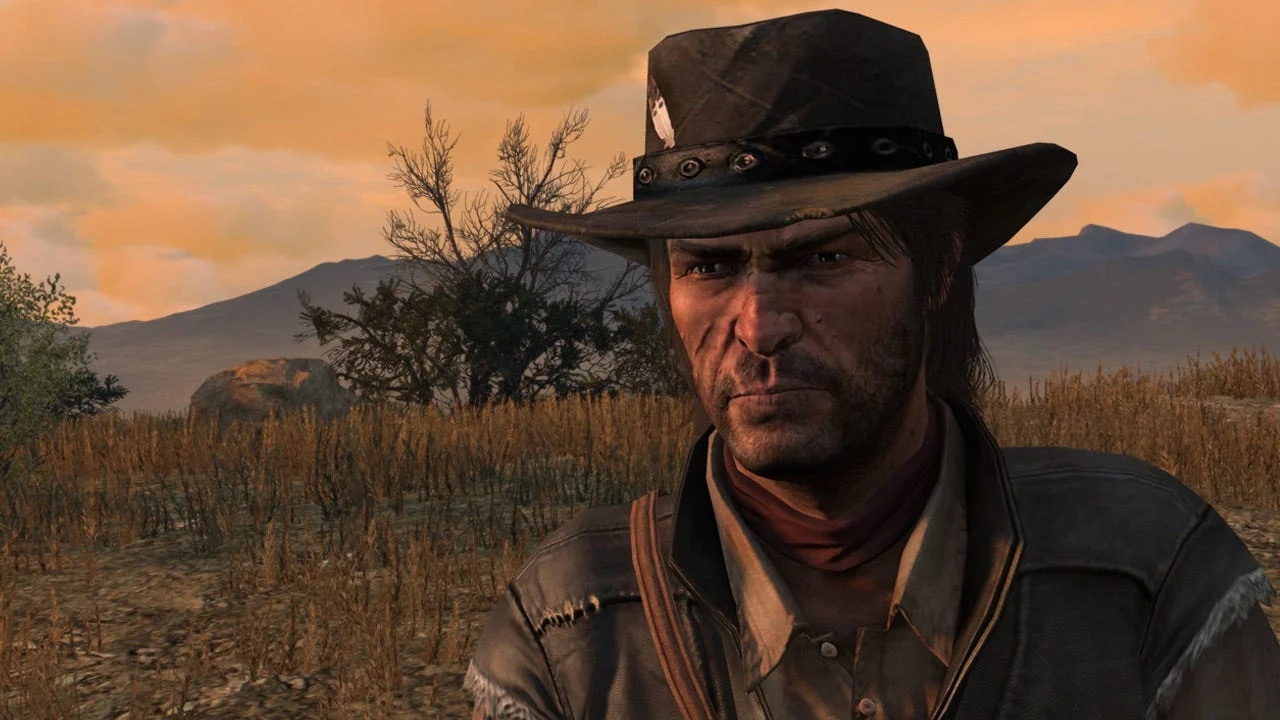
The tragic end of the original Red Dead Redemption remains one of gaming’s most memorable moments, but according to former Rockstar VP Dan Houser, the studio wasn’t prepared for the level of player hostility it triggered. Speaking as part of IGN’s IGN30 Icons Series, Houser revealed that while the decision to kill protagonist John Marston was viewed as a creative necessity, the community reaction was more volatile than the team anticipated.
The Logic Behind the Twist
Killing the protagonist in an open-world sandbox presented significant technical and narrative hurdles for the development team. Houser, who penned the story, recalled discussing the concept with lead designer Christian Cantamessa. The primary concern wasn’t just the emotional impact, but the logistical reality of maintaining an open world after the lead character is gone.
“The nature of an open-world game is you finish a story, then you go back into the world and wrap up all the side content if you want to,” Houser explained to IGN. To address this, the team implemented a three-year time jump, allowing players to step into the boots of John’s son, Jack, to complete remaining tasks. Houser noted that the team was “scared” throughout the process, questioning if they had the bandwidth to make such a drastic transition feel cohesive for the player.
A Different Kind of Connection
While Houser maintained that the death was vital for the story to carry weight, the studio was caught off guard by the intensity of the backlash. Houser admitted that players felt a sense of “ownership” over the experience that differs from passive media like film or literature. Because games require the player’s input to function, the act of taking away their character felt like a personal betrayal to many.
“There were people who were livid with you,” Houser said. “Part of you goes, ‘That’s fantastic,’ because it means you’ve really engaged in the story and the characters.”
Why it matters
For players, this story highlights the evolution of narrative risk-taking in big-budget gaming. The move paved the way for similarly bold storytelling in Red Dead Redemption 2, which utilized the prequel format to explore the fate of Arthur Morgan.
This history is particularly relevant as fans look toward the future of Rockstar’s output, specifically the upcoming Grand Theft Auto 6. With the game set to feature a dual-protagonist dynamic with Jason and Lucia, the industry is watching to see how Rockstar handles character survival and agency this time around, and whether the studio will continue to prioritize powerful, polarizing endings over safer storytelling conventions.