News
Sonic Racing: CrossWorlds Season Pass was essential for continued development, says Takashi Iizuka
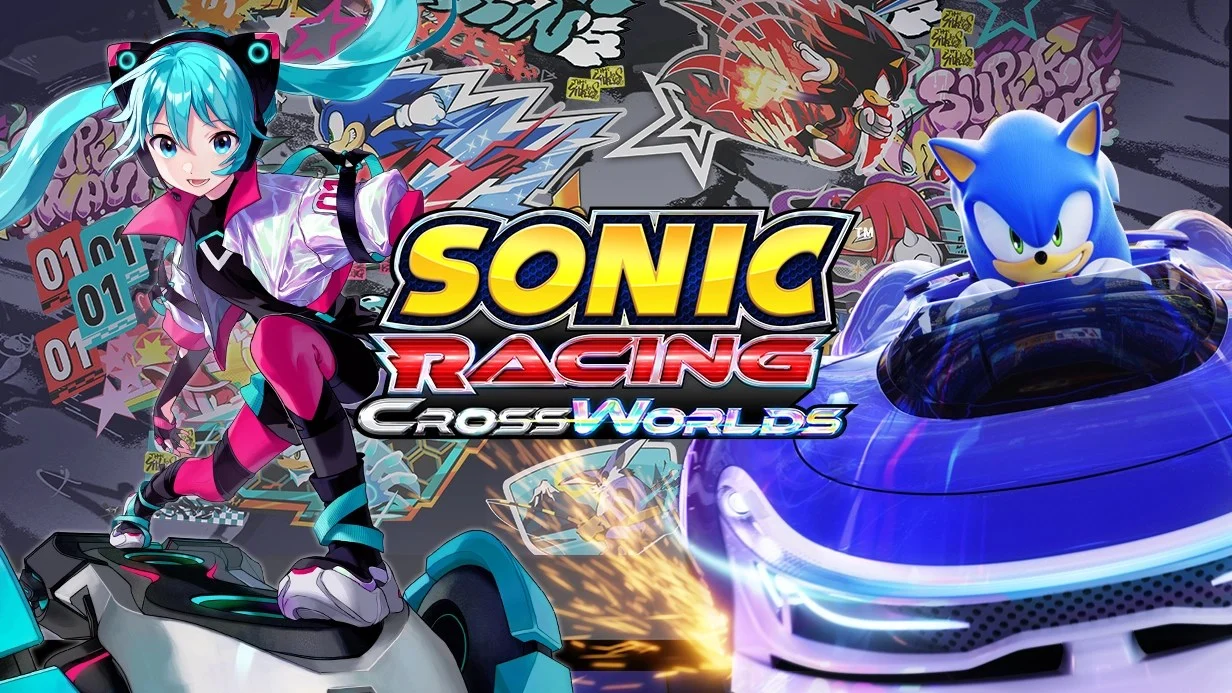
Sonic Racing: CrossWorlds has become known for its frequent updates, delivering a steady stream of new tracks, characters, and events to its player base.
In this article
Sonic Racing: CrossWorlds has become known for its frequent updates, delivering a steady stream of new tracks, characters, and events to its player base. However, the sustainability of this live-service approach has recently been clarified by Sonic Team head Takashi Iizuka, who explained that the game’s Season Pass model was a financial necessity rather than an initial business goal.
The cost of long-term support
In a recent interview, Iizuka addressed the development philosophy behind the title. Unlike traditional Sonic games, which are designed as standalone experiences that players typically finish and move on from within a few months, the team behind CrossWorlds aimed to create an online experience with long-term retention. According to Iizuka, the challenge of maintaining engagement is that players inevitably get bored without constant content updates. These updates require resources, and with development budgets being finite, the team had to find a way to recoup the costs of continuous production. The implementation of a Season Pass emerged as the primary method to secure funding for these ongoing updates once initial sales figures began to slow.
Lessons in game development
Iizuka acknowledged that the game’s business model evolved as a response to their goal of longevity rather than a top-down mandate to build a Games-as-a-Service (GaaS) title. The team reportedly approached the project by prioritizing the player experience first and treating profitability as a secondary concern. Reflecting on this experience, Iizuka admitted that while this player-first perspective was beneficial, the reality of relying solely on a Season Pass to fund development was a significant learning opportunity. He noted that moving forward, the goal is to find a better balance between serving the fans and ensuring the long-term financial viability of their titles.
Why it matters
For players, this admission highlights the complex reality of the modern live-service gaming landscape, where the content they enjoy relies directly on sustained monetization. While the model has succeeded in keeping the game active and content-rich long after its launch, it also underscores the tension developers face between creating content for the community and managing the business constraints that prevent projects from being abandoned.
Players should look forward to how Sonic Team attempts to strike this “right balance” in future updates and potential future titles. As the studio continues to iterate on its approach, it suggests that the current cadence of content updates is stable for now, but the methods used to fund those updates may evolve to be more sustainable in the future.