News
Street Fighter Movie Prioritizes Chaotic Action Over Coherent Storytelling
The latest big-screen adaptation of Capcom’s legendary fighting franchise, Street Fighter, arrives in theaters on October 16.
In this article
The latest big-screen adaptation of Capcom’s legendary fighting franchise, Street Fighter, arrives in theaters on October 16. Directed by Kitao Sakurai, the film leans heavily into an anarchic, maximalist spirit, prioritizing high-energy brawls and a colorful roster of characters over a cohesive or well-developed narrative structure. According to a review from IGN, while the movie succeeds as a raucous, fun experience, it often struggles to balance its ambitious scope with a compelling plot.
The Cast and Characters
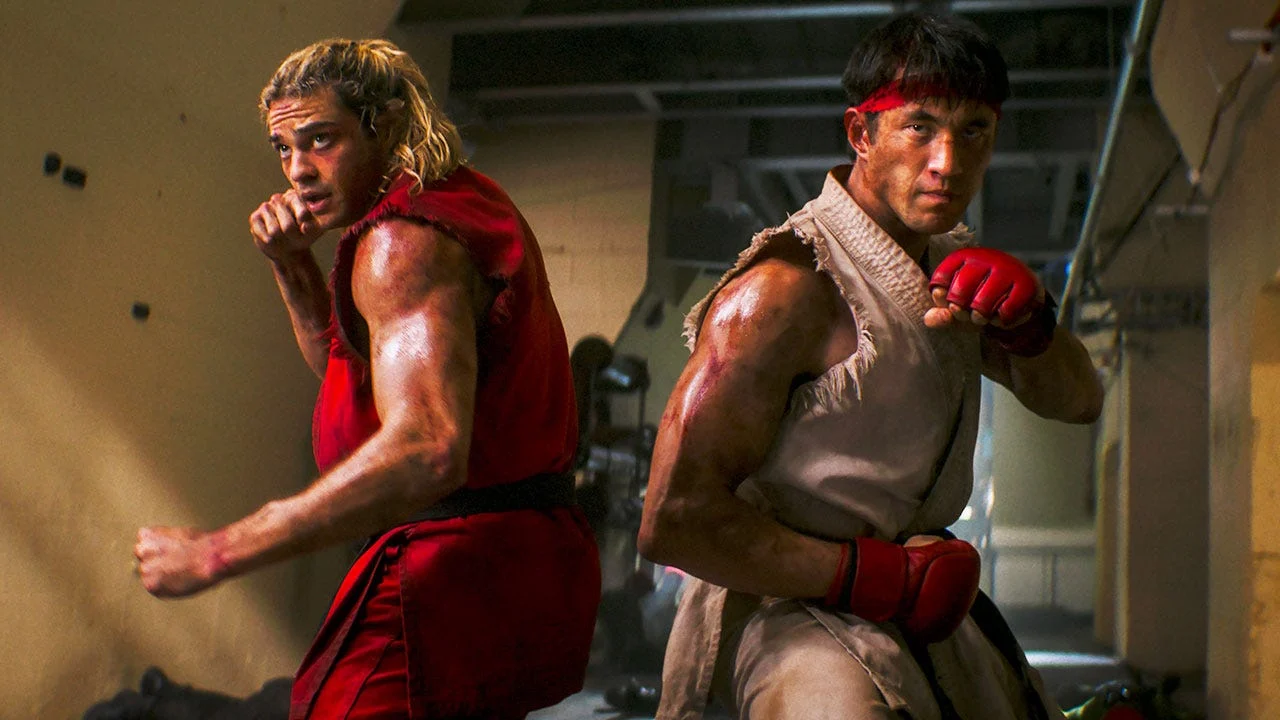
The film features a sprawling ensemble cast, bringing numerous classic game characters to life in MetroLao City. Andrew Koji stars as Ryu, with Noah Centineo playing Ken. Their dynamic provides some of the film’s strongest moments, particularly during a hotel room brawl that serves as a highlight for both performance and choreography. David Dastmalchian portrays a uniquely off-kilter M. Bison, while Cody Rhodes makes an impression as Guile, complete with his signature theme song.
IGN’s review notes that the standout surprise is Andrew Schulz as Dan Hibiki, whose performance provides unexpected emotional grounding. Other appearances, such as Jason Momoa’s CGI-heavy portrayal of Blanka and Eric Andre’s turn as the chaotic emcee Don Sauvage, are cited for their ability to bring a strange, infectious energy to the screen, even when the characters themselves have little impact on the actual story.
Action and Narrative Struggles
The core of the film centers on a tournament orchestrated by M. Bison to harvest “Hado power” (or Psycho Power). However, the narrative execution is criticized for being “dumber than a box of rocks,” with thin character motivations that often leave viewers questioning why certain fighters are even involved. The film relies heavily on flashbacks via an anime-style prologue to explain the history between Ryu, Ken, and the demonic Akuma, played by Roman Reigns. These sequences, while visually impressive, become a frequent crutch that disrupts the pacing.
The action itself is described as a blend of anime, Hong Kong cinema, and ’90s action tropes. While the stunt work is praised, IGN notes that the director often packs scenes with so many individual gags that they lack impact, eventually shifting toward heavy reliance on VFX that struggle to land with visceral weight.
Why it matters
For fans of the franchise, this adaptation represents a “maximalist” approach that values the aesthetic of the games over lore accuracy. Those hoping for a deep dive into the Street Fighter mythos may find the thin plot and underdeveloped character arcs frustrating. However, the film succeeds for viewers looking for a lighthearted, chaotic action flick that prioritizes spectacle and comedy.
While the movie is set in the 1990s, the review notes that the production design fails to effectively capture that era’s nostalgia, relying mostly on music choices to set the tone. Players should expect a fast-paced, personality-driven experience where the joy comes from seeing iconic characters on screen together rather than the strength of the film’s writing.