News
How Donnie Yen Helped S-Game Build Phantom Blade Zero’s Authentic Kung Fu Combat
For developer S-Game, creating Phantom Blade Zero meant moving beyond simple aesthetics to capture the true essence of wuxia.
In this article
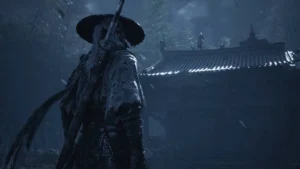
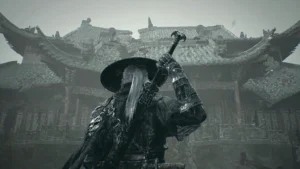
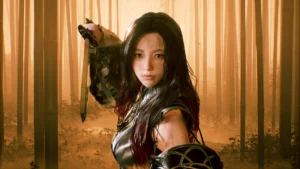
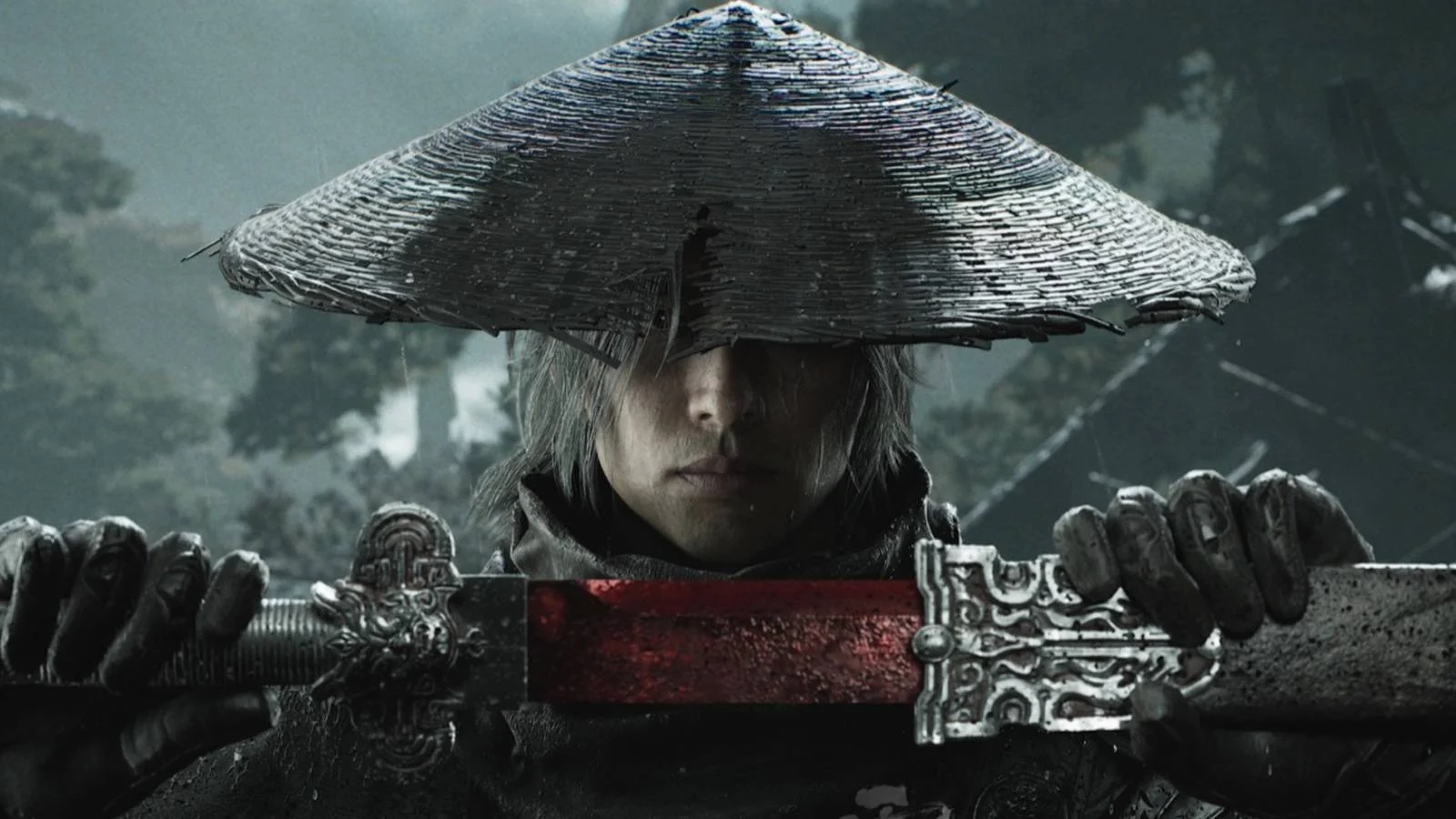
For developer S-Game, creating Phantom Blade Zero meant moving beyond simple aesthetics to capture the true essence of wuxia. As detailed in a report by Polygon, director Soulframe Liang aimed to create a “playable kung fu movie” rather than just another traditional action game. This ambition led the studio to collaborate with legendary martial arts star Donnie Yen, who served as a creative consultant for the project.
The Role of Donnie Yen
While the studio initially reached out to Yen for promotional support, the collaboration evolved into a deep creative partnership. Yen, known for his work in the Ip Man series and John Wick 4, played a pivotal role in shaping the game’s martial arts foundations. According to Liang, Yen realized the studio was committed to authenticity rather than just using his likeness. Beyond his consulting role, Yen provided motion capture performance and character work for the enigmatic, mask-wearing figure Mó Yuan. His team, which included action director Kenji Tanigaki, worked closely with S-Game’s developers to ensure that the martial arts showcased in the game were rooted in cultural expertise rather than superficial visuals.
Combat Rooted in Martial Arts Philosophy
To achieve a natural flow in combat, the development team integrated a complex system that moves away from linear, predictable combos. Combat director Yang Liu, who led the daily motion capture sessions, applied principles of Chinese martial arts to game design. By conceptualizing at least 10 different attack styles for every weapon, the team ensured the character’s movement feels fluid and reactive to the environment.
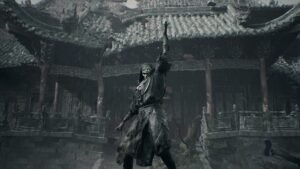
Liang noted that the goal was to avoid a “one-size-fits-all” approach to combat, emphasizing a circular, adaptable flow where any action can connect to another. This design choice aims to make players feel like they are performing in a choreographed kung fu sequence, with seamless weapon switching and fluid motion that reflect the “be water” philosophy referenced by both the director and combat team.
Why it matters
For players, the collaboration between industry veterans and game developers marks a significant shift in how wuxia-inspired action games are produced. By moving away from surface-level aesthetics, S-Game has developed a combat system that prioritizes technical authenticity, likely setting a new standard for how martial arts titles approach gameplay depth.
Whether you are a fan of traditional wuxia films or just looking for the next highly polished action experience, the focus on complex animation blending and diverse, context-sensitive combat styles provides a fresh mechanical experience. As the game is available now on Windows PC and PlayStation 5, players can look forward to a title that intentionally avoids the rigid, sequential combo structures found in many mainstream action games in favor of a more expressive and fluid style.