News
Metro 2039 Returns to Moscow’s Tunnels Next Year, Blending Open and Linear Design
Metro 2039, the fourth entry in 4A Games' post-apocalyptic shooter series, is launching in February 2027 across PS5, Xbox Series X/S, and PC via Steam and Epic Games Store.
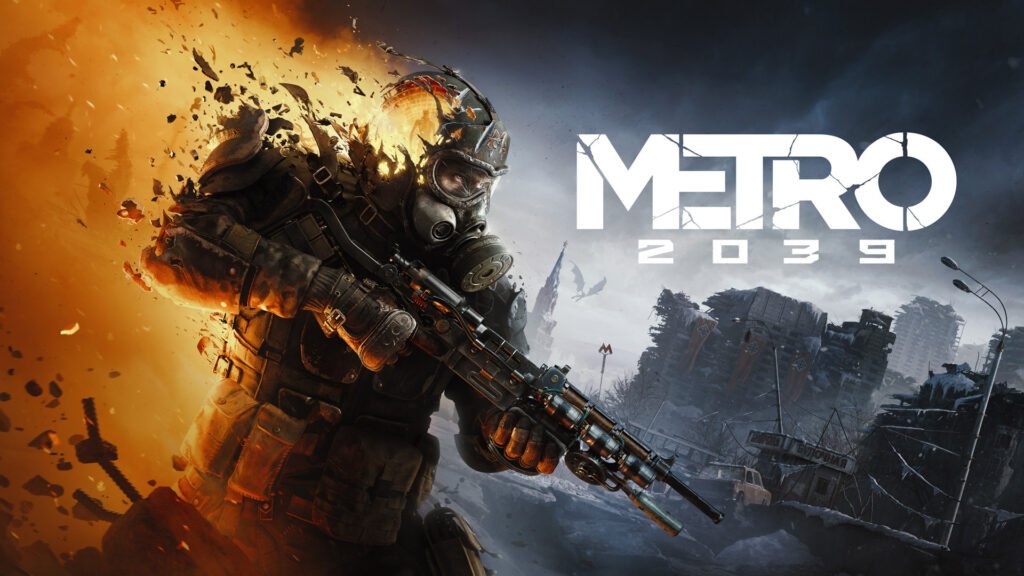
Metro 2039, the fourth entry in 4A Games’ post-apocalyptic shooter series, is launching in February 2027 across PS5, Xbox Series X/S, and PC via Steam and Epic Games Store. The game takes players back underground to Moscow with what the studio describes as darker and more oppressive environments than the series has seen before.
What’s New in the Underground
Metro 2039 marks a notable shift in design philosophy for the franchise. The game blends the open-area exploration introduced in Metro Exodus with the linear, corridor-focused gameplay that defined Last Light and 2033. According to creative leadership—executive producer Jon Bloch and co-creative directors Pavel Ulmer and Andriy Shevchenko—this hybrid approach allows the studio to balance player freedom with the claustrophobic tension the series is known for.
Beyond level structure, the developers have overhauled several core systems. Enemy behavior receives enhanced AI routines, while the crafting, stealth, and weapon customization mechanics all receive meaningful improvements. The studio also indicated that the game won’t demand cutting-edge hardware to run well, suggesting a conscious effort toward broader accessibility without sacrificing visual quality.
The protagonist and narrative direction are shifting as well, though details on the new lead character remain limited from the gamescom 2026 presentation.
Why It Matters
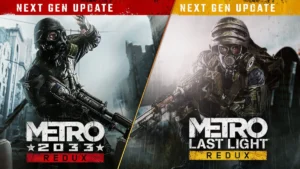
The Metro franchise has consistently carved out its identity through atmosphere and environmental storytelling in post-nuclear settings. The original 2033 and Last Light established the series’ reputation for tight, linear campaigns that felt claustrophobic and immersive—players moved through collapsed Moscow subway tunnels with limited resources and constant dread.
Metro Exodus broke from that formula by introducing large, semi-open levels that gave players more agency in how they approached objectives. That shift was commercially successful, but it fundamentally altered the game’s pacing and tension model. For some players, the openness diluted the suffocating intensity that made the earlier games memorable.
Metro 2039’s design choice—returning underground to Moscow while retaining some of Exodus’ environmental breadth—suggests 4A Games is listening to feedback about what made the franchise resonate. By narrowing scope back toward the tunnels while keeping thoughtful exploration options, the studio appears to be recalibrating the series’ core strengths.
The enhanced AI, stealth, and customization systems also signal that the team is iterating on mechanics rather than just retreading old ground. For a series that’s built reputation on immersive gameplay and resource scarcity, these upgrades could meaningfully alter how players approach combat and survival.
What to Watch
Metro 2039 arrives in February 2027, giving the studio several months to show more gameplay footage and detail story direction. The reception to how well the open-and-linear hybrid works will likely shape franchise conversations for years to come.