News
Onimusha: Way of the Sword Brings Back Capcom’s Samurai Series—and It Works
Onimusha: Way of the Sword ($69.99) marks the franchise's return more than 20 years after its last entry, tasked with reintroducing the long-dormant samurai action-adventure series while modernizing…
In this article
Onimusha: Way of the Sword ($69.99) marks the franchise’s return more than 20 years after its last entry, tasked with reintroducing the long-dormant samurai action-adventure series while modernizing its gameplay for contemporary audiences. The new release, available on PlayStation 5 Pro, Nintendo Switch 2, PC, Xbox Series X, and Xbox Series S, succeeds at revitalizing the franchise despite some imperfections.
A Franchise Reimagined for Modern Standards
Originally conceived in 1997 as a Resident Evil game set in feudal Japan, the original Onimusha launched early in the PlayStation 2’s lifecycle and carried many horror hallmarks including puzzles, fixed camera angles, and tank controls. Way of the Sword runs on Capcom’s RE engine, the same foundation powering Resident Evil titles since 2017’s Resident Evil 7.
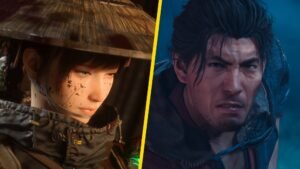
The most visually striking element is the facial animation in cutscenes. The game features the likeness of late actor Toshiro Mifune, who brings depth to protagonist Miyamoto Musashi. Mifune, known for his collaborations with director Akira Kurosawa on films including Seven Samurai and Yojimbo, is portrayed in the game with performances that channel heroic skill, improvisational rowdiness, and comedic moments. An opening sequence exemplifies this: Musashi slips on mud and slides headfirst through a crowd of samurai before colliding with a wall, eliciting a yelp that suggests the move was unintentional. The game ties this cinematic sensibility to gameplay rather than isolating it in cutscenes.
Combat That Rewards Precision and Defense
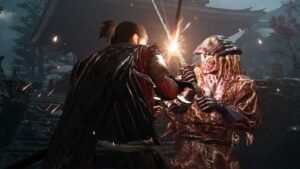
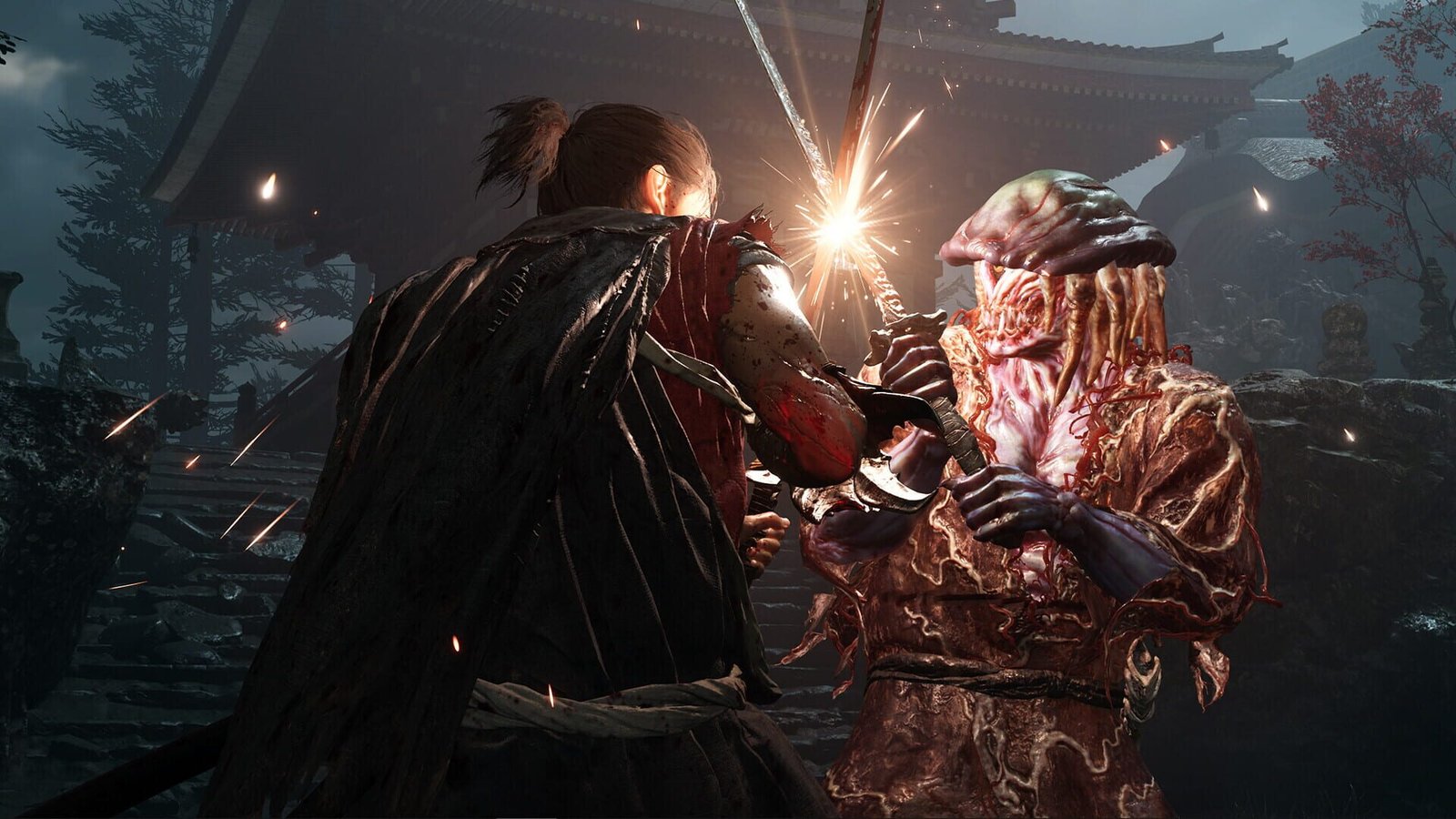
Like many modern action titles, Way of the Sword employs Soulslike mechanics, but the combat doesn’t carry the heaviness of FromSoftware’s designs. Instead, Musashi’s movements align more closely with recent titles like Lies of P and Stellar Blade, emphasizing elegant swordplay.
Parrying and dodging form the foundation of combat mastery. Once players develop skill, they can chain attacks between multiple surrounding enemies, clashing swords and reflecting projectiles. After defeating enemies, Musashi collects their souls—functioning as both currency and a resource for restoring health and special attack meters.
The game implements Issen, powerful counterattacks triggered by striking before an enemy does. These deal heavy damage and allow players to chain attacks against weaker foes, cutting through waves quickly. Sword clashes can also trigger quick-time events where choosing the correct button results in cutting through an opponent, while choosing incorrectly leaves Musashi vulnerable.
Boss encounters, typically featuring Oni from Japanese folklore, represent the game’s most challenging and exciting moments. These battles feel larger in scale than standard mob encounters.
Why It Matters
Onimusha has occupied an unusual position in Capcom’s catalog—beloved by fans but never reaching the commercial tier of Monster Hunter, Street Fighter, or Resident Evil. That Capcom chose to invest in a new entry signals confidence in reviving niche franchises. The studio’s recent output has established a strong track record that makes this risk-taking feel validated.
The game’s modernization of Onimusha’s formula—moving from clunky early PS2-era combat to fluid, defensive-focused action gameplay—mirrors similar approaches in recent remakes. Where some see diminished originality, the game’s iteration on contemporary action mechanics creates fresh, satisfying combat while maintaining franchise identity through visual presentation and character work.
What’s Next
With Way of the Sword successfully introducing the franchise to modern audiences, attention will likely turn to whether this revival sustains long-term player engagement and whether Capcom considers further entries. The game’s reception should indicate whether investing in dormant properties remains viable for major publishers.