News
Resonance: A Plague Tale Legacy Clicks Once Combat Gets Chaotic
Resonance: A Plague Tale Legacy, the latest entry in Asobo Studio's Rat Game series, struggles out of the gate with a slow opening and basic combat tutorials, but finds its footing once you unlock the ability to kick enemies to their…
In this article
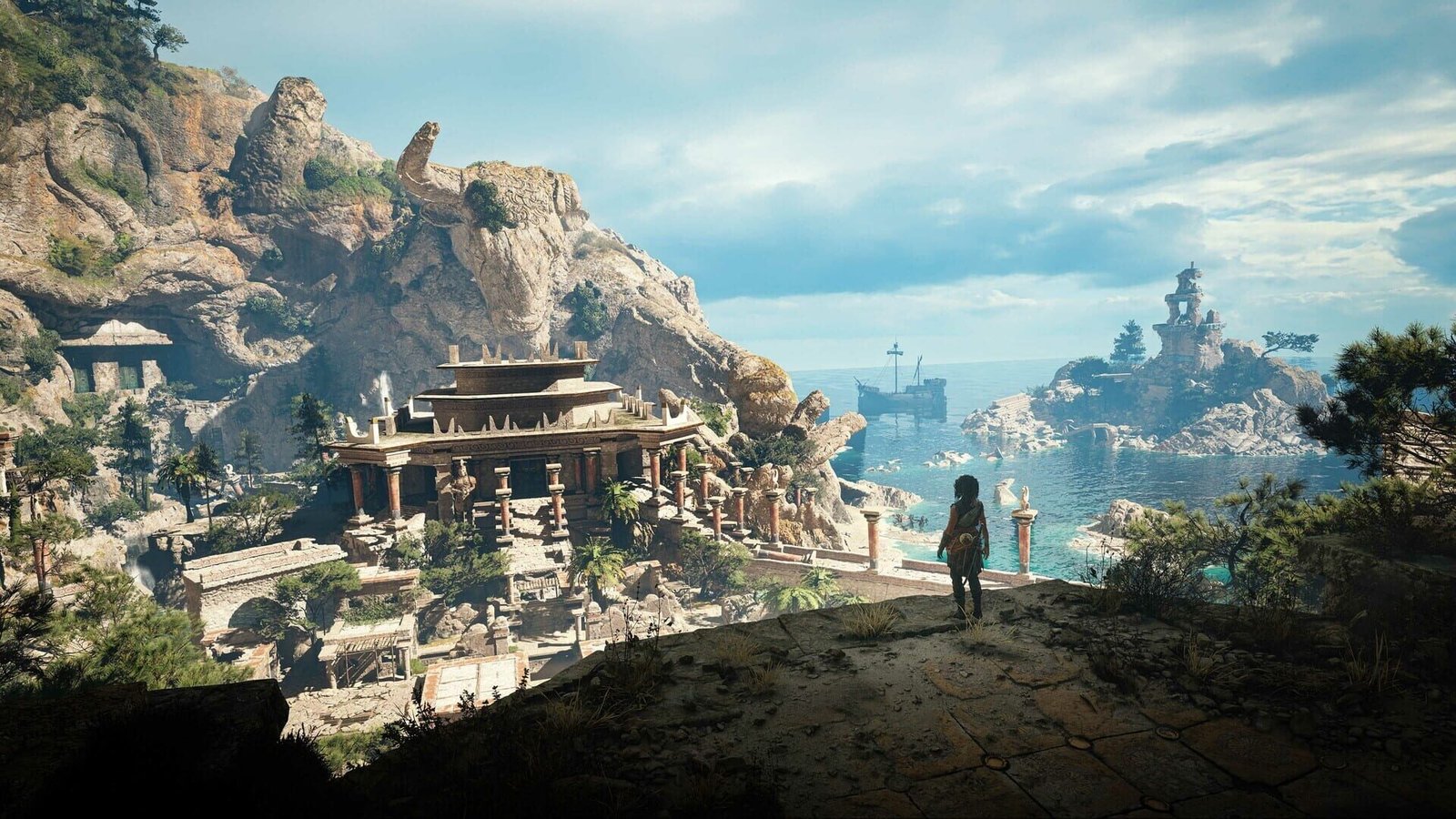
Resonance: A Plague Tale Legacy, the latest entry in Asobo Studio’s Rat Game series, struggles out of the gate with a slow opening and basic combat tutorials, but finds its footing once you unlock the ability to kick enemies to their deaths. According to a recent hands-on experience, the game transforms from serviceable to genuinely fun once environmental hazards and ledges become part of your tactical arsenal.
When the Tutorial Finally Ends
The game opens with protagonist Sophia as a child, spending the first couple hours teaching core controls through repetitive combat encounters. Combat itself is straightforward: one button to parry, another to attack. Sophia gains a kick ability used to break opponents’ guard and dispose of weaker foes, especially after upgrading it to include a follow-up kick. For much of the early game, this foundation feels adequate but unexciting.
The turning point comes during a routine early combat encounter when the author kicked an enemy off a ledge to their death. The moment clicked something into place. From that point forward, combat shifted from “fine” to actively engaging, with the full game opening up across all areas.
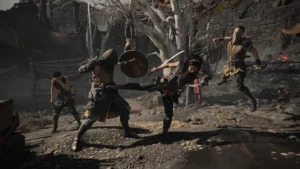
The experience escalated during flashback sequences where you play as Greek hero Theseus. In one vision section, Theseus must eliminate enemies on platforms suspended over water. Rather than relying on sword strikes or parries, the solution became obvious: kick them in the water. These environmental kills proved far more satisfying than standard combat loops, marking the moment real engagement began.
The peak came at a bridge sequence late in the game. With no railings to protect them, waves of enemy soldiers became opportunities for environmental elimination. The strategy devolved into pure chaos—abandoning parrying and attacking in favor of running between soldiers and kicking them into the void. While this approach resulted in taking more damage due to decreased defensive focus and the game’s lack of camera lock-on, it delivered what the author describes as “video game bliss.” The experience recalled kicking English officers overboard in Assassin’s Creed Black Flag, cranked to maximum intensity.
Why Patience Pays Off
Resonance comes from Asobo Studio, the team behind the previous two A Plague Tale games, which emphasized stealth gameplay. This new entry appears to shift focus, incorporating elements more reminiscent of Tomb Raider. The back half of the game delivers on these varied approaches, featuring stealth sections through creepy environments alongside the combat-focused sequences that finally click.
The game launches day-one on Xbox Game Pass, positioning it to reach substantial player numbers through the subscription service. However, the slow opening raises questions about player retention—the game puts “its worst foot forward at the jump,” potentially causing some players to abandon it before discovering what makes it work later on.
What’s Next
Players considering Resonance should know that pushing past the sluggish opening and basic tutorials opens into something more worthwhile. The real question is whether Game Pass subscribers will stick around long enough to reach the bridge, the visions, and all the glorious opportunities to let gravity do the work.